
Arabic version: الحوثيون يبنون شبكة تمويل لحرب اليمن
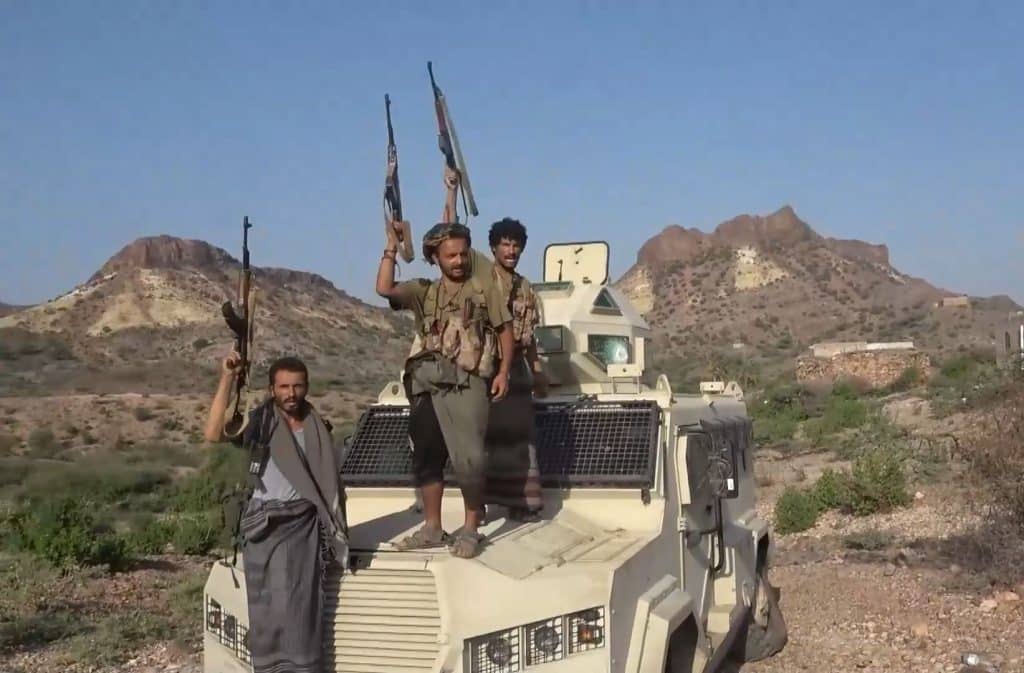
According to Al Jazeera, Yemen’s Houthi group has developed funding streams over a decade of war that support military operations and strengthen its control in areas it governs. Mohammed, a 19-year-old who joined fighting on Yemen’s Red Sea coast in March, said commanders ensure fighters receive food, khat, medical care and other supplies despite fighting with pro-government forces and Saudi-led coalition air strikes.
A July report by the Mokha Center for Strategic Studies estimated the Houthi financial system generates direct and indirect resources and costs worth about $2.5bn annually. The report put revenue from taxes and customs at roughly $800m, additional fees and levies at $600m, cash and in-kind war contributions at $300m, and mobilisation events at about $100m. A May paper from the same institution estimated that nearly 60 percent of revenues collected in Houthi-controlled areas go to security and military sectors.
Residents described requests for public contributions through mobile-phone messages, envelopes and mass rallies. Ali Naji, a Sanaa resident, said even small donations can accumulate into millions of Yemeni riyals. He said people also donate weapons, including rifles, pistols and traditional jambiyas. Imported oil is another major revenue source: the US Department of the Treasury said in January that Iran provided the Houthis with a free monthly oil shipment through Iranian-owned or affiliated companies in Dubai. Treasury officials said illicit oil sales generated more than $2bn annually.
Yazeed Al-Jeddawy of the Sanaa Center for Strategic Studies said economic control finances coercion, while coercion enables further economic control. He cited taxes, customs duties, zakat, fuel and telecommunications, as well as control over import permits, fees and foreign currency. He said the system supports recruitment as employment opportunities shrink and public-sector salaries go unpaid. A 2024 United Nations panel of experts estimated Houthi forces numbered about 350,000, including fighters sometimes under 18. Economic researcher Wafiq Saleh said civilian institutions are underfunded and about one million public employees have not received salaries regularly since 2016, while roughly 80 percent of Yemen’s population lives below the poverty line.