
Arabic version: عائلات في كانبيرا تخشى فجوات في رعاية الأطفال المصابين بالصرع
According to ABC News, families of children with epilepsy in Canberra are concerned about future care after Canberra Health Services advised patients that paediatric neurologist John Lawson will no longer provide clinics through the public service. The change has added to worries over long waits and limited access to specialist paediatric epilepsy care in the ACT.
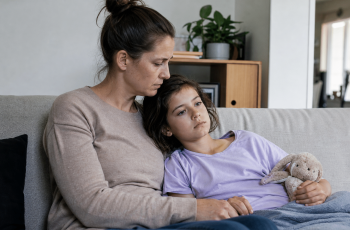
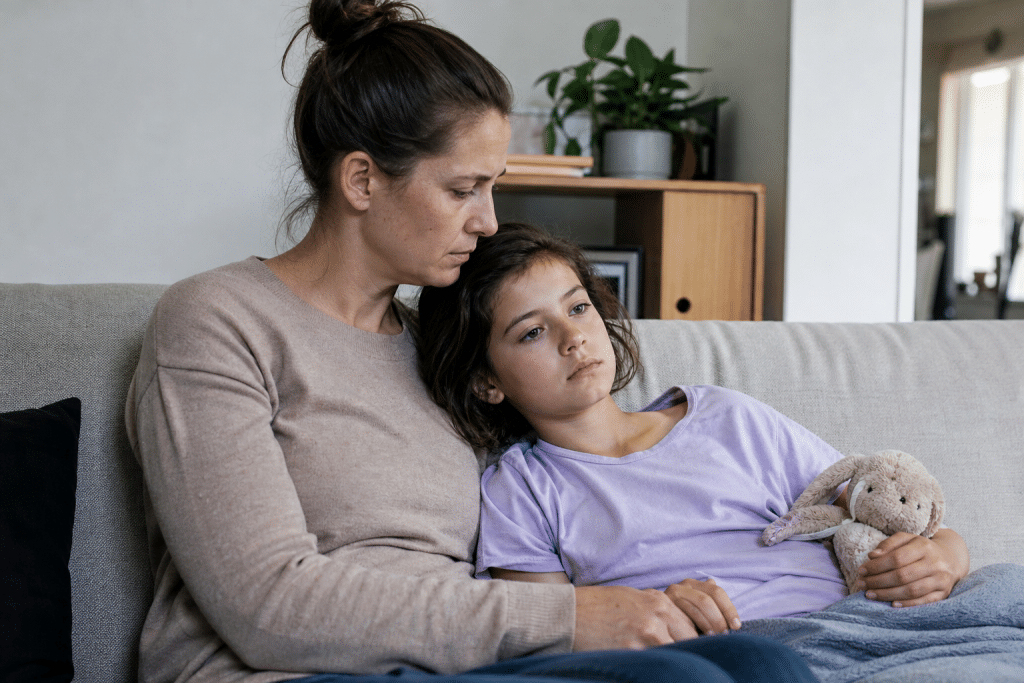
Rob Kominek said his son Lachie has lived with cryptogenic Lennox-Gastaut syndrome, a rare and complex form of epilepsy, for five years. Lachie experiences three types of epilepsy and has stopped breathing during some severe seizures, Rob said. He said falls during seizures have caused injuries including a broken nose and teeth, and described the family’s experience as extremely traumatic.
The Kominek family has built relationships with Lachie’s specialist care team, including Dr Lawson, who has experience treating his condition. Rob said the support and availability of the team had helped the family cope day to day. He is concerned about needing to travel to Sydney more often or finding another specialist familiar with Lachie’s epilepsy.
Canberra Health Services said patients formerly under Dr Lawson’s care could continue receiving public treatment from specialist paediatric neurologists delivering outreach services through the Sydney Children’s Health Network. It said those specialists were qualified to care for children with epilepsy and other neurological disorders, while patients could also choose to continue seeing Dr Lawson privately.
Epilepsy ACT chief executive Fiona Allardyce said specialist appointments in Canberra already involved long wait lists, with paediatric care particularly difficult to access. She said early care can be important for brain development and managing epilepsy, and warned that the loss of public clinics could place further pressure on neurologists, GPs, hospitals and emergency services. Rob called for decision makers to consider the consequences for families and hopes the decision is reversed.