Arabic version: أطفال كيمبرلي النائية يواجهون خطراً أعلى للإصابة بالتهاب الدماغ الياباني
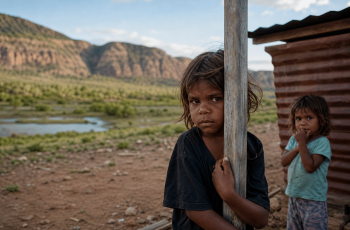
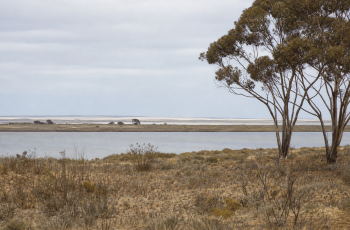
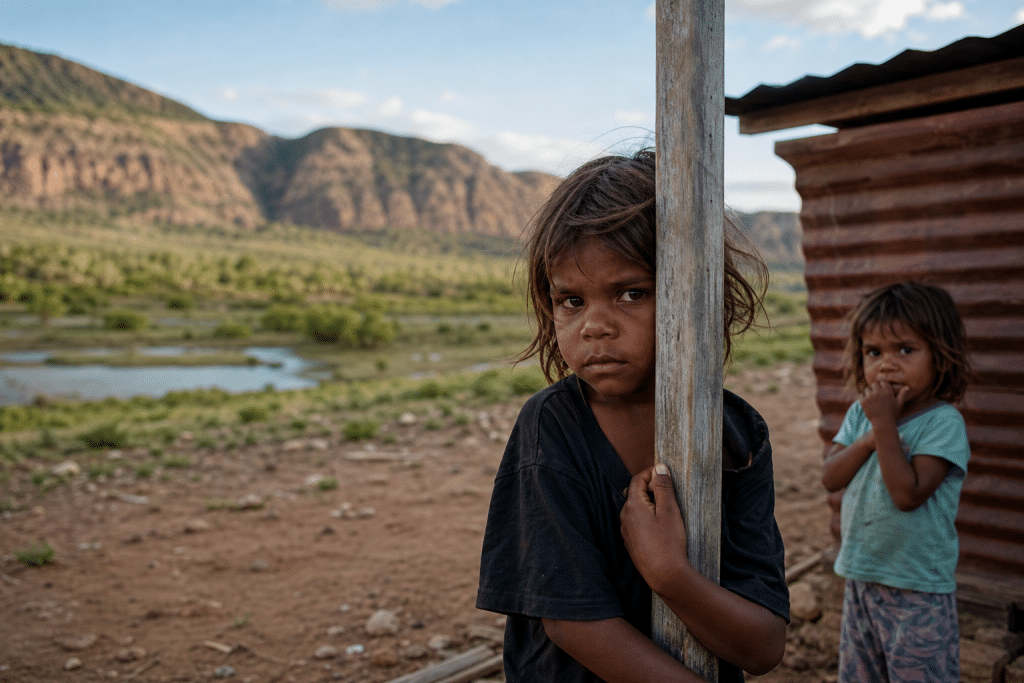
According to ABC News, health authorities say Aboriginal children in remote communities in Western Australia’s far north are the group most vulnerable to developing symptoms of Japanese encephalitis virus (JEV). The warning comes as the Kimberley wet season, from November to March, brings torrential rain and high humidity that support mosquito breeding and can cut communities off from medical support.
JEV is a mosquito-borne virus that can cause inflammation of the brain. Humans are “dead-end hosts”, meaning they cannot transmit the disease to other people. About 99 per cent of infected people clear the virus without symptoms, but in 1 per cent of cases it can enter the central nervous system and cause severe encephalitis. Australia’s Department of Health puts the fatality rate for severe encephalitis at up to 30 per cent.
Western Australia has reported no human JEV infections, but Department of Health medical entomologist Abbey Potter said Aboriginal children in remote Kimberley communities were considered the highest-risk cohort, based on the over-representation of Aboriginal children presenting with Murray Valley encephalitis. Authorities are also monitoring concerns about Murray Valley encephalitis and Ross River fever.
Two Murray Valley encephalitis cases have been confirmed in the Kimberley over the past two years, including a child treated after acquiring the infection in the east Kimberley last February and a woman who died in June after being infected while travelling in the West Kimberley. From January to June this year, 27 Ross River fever infections were recorded across the region. WA Health is working with the Aboriginal environmental health sector on surveillance and has rolled out free mosquito repellent to remote Kimberley communities through its Fight the Bite campaign.
Djarindjin Aboriginal Corporation chief executive Nathan McIvor said the community, 200 kilometres north of Broome, was encouraging households to remove stagnant water and keep children indoors during the early morning and early evening. He said mosquito repellent was also being distributed to residents who needed it.