Arabic version: أزمة القدرة على تحمّل الإيجارات تنتشر في أنحاء أستراليا
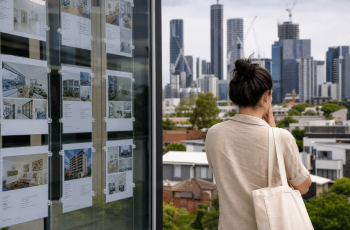
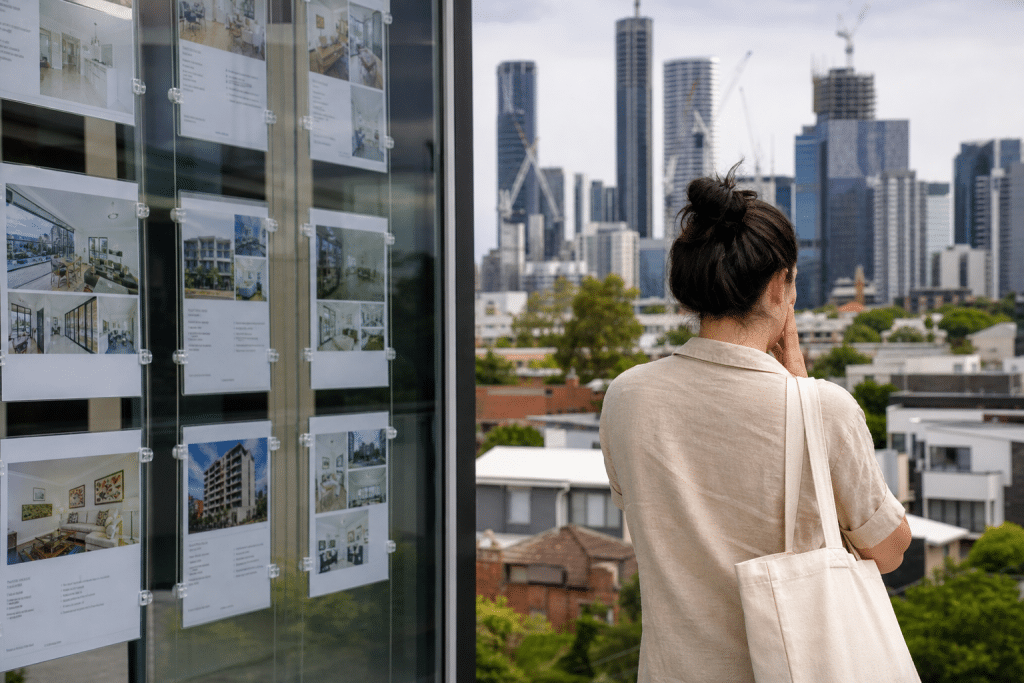
According to ABC News, rental affordability has worsened or remained at crisis levels across most of Australia, affecting cities and regional areas and increasingly reaching people on higher incomes. The SGS Economics and Planning Rental Affordability Index uses median rental bonds data and household income to measure pressure on renters.
Under the index, a score below 100 means rent is unaffordable for average-income households, with typical payments taking more than 30 per cent of income. Canberra and surrounding areas rank as Australia’s most affordable capital city rental market, while Perth is the least affordable. SGS Economics principal Ellen Witte said stronger average incomes, housing supply and ACT guardrails on rent increases had supported affordability in the territory.
Perth’s affordability improved during the 2010s as Western Australia’s mining boom wound down, leaving more vacant rentals, but rents have risen sharply since the pandemic. Melbourne ranks next behind the ACT, while Brisbane and Adelaide have followed similar paths towards lower affordability since COVID. Hobart recorded the steepest year-on-year decline, with average households now spending more than 30 per cent of income on rent.
The analysis also shows that city averages can conceal severe hardship for particular household types. In Sydney, a two-income couple with children spends an average 18 per cent of income on rent, while nearly half of a childcare worker’s wage could go towards rent. Median rents take up 84 per cent of a single pensioner’s income, and typical rent costs more than the entire income of a single person on benefits.
Regional affordability has also declined, particularly in South Australia and Tasmania. Regional Queensland is the least affordable regional market, where rents consume more than 32 per cent of the average renting household’s income. National Shelter’s Jackson Hills said sustained investment over the next 20 years would be needed, while UNSW City Futures Research Centre fellow Alistair Sisson identified rent caps, higher income support and public-housing investment as possible measures.