Arabic version: الحرب وقيود المساعدات في السودان تعمّقان خطر المجاعة
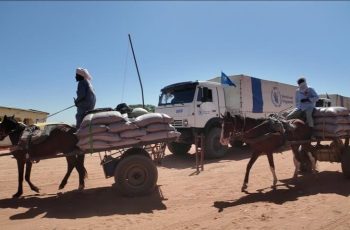
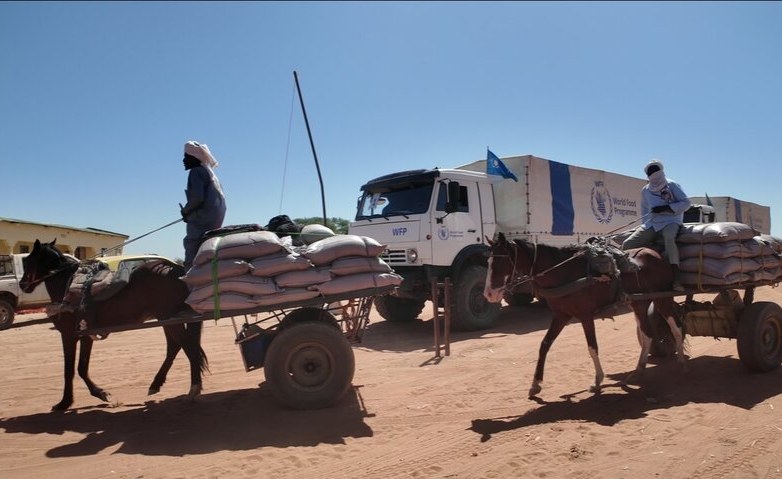
According to Allafrica, the World Food Programme says famine remains a major risk in parts of Sudan, where about 19.5 million people faced crisis levels of hunger or worse between February and May 2026.
A report by the Somoud Alliance’s humanitarian working group attributes famine conditions to the continuing war, restrictions on aid, displacement and the destruction of livelihoods rather than natural causes. It also cites looting, damaged farmland, markets and transport networks, rising food and fuel prices, shortages of agricultural inputs, disease and inadequate international funding.
The report estimates that about 41 per cent of Sudan’s population faces high levels of food insecurity, including around five million people in the Emergency phase and 135,000 in the Catastrophe phase. It says an estimated 825,000 children under five are expected to suffer acute malnutrition during 2026. The World Health Organization has said 37 per cent of health facilities have ceased operating.
Greater Darfur and Greater Kordofan are facing fighting, sieges, displacement, market closures and the destruction of crops and livestock, the report says. It identifies 14 famine hotspots and displacement settlements in North Darfur and South Kordofan. Beleil locality in South Darfur was removed from areas projected to face famine risk between October and January because of expected post-harvest improvements.
The Somoud Alliance called for an immediate, sustained ceasefire; protection for civilians and humanitarian workers; and safe aid corridors and border crossings under neutral supervision. It also urged greater funding for food, therapeutic nutrition, water, healthcare, shelter and agricultural inputs, saying urgent action is needed to end the war, open access routes and fund relief efforts.