Arabic version: بحث يربط السكن غير الملائم بمخاطر صحية
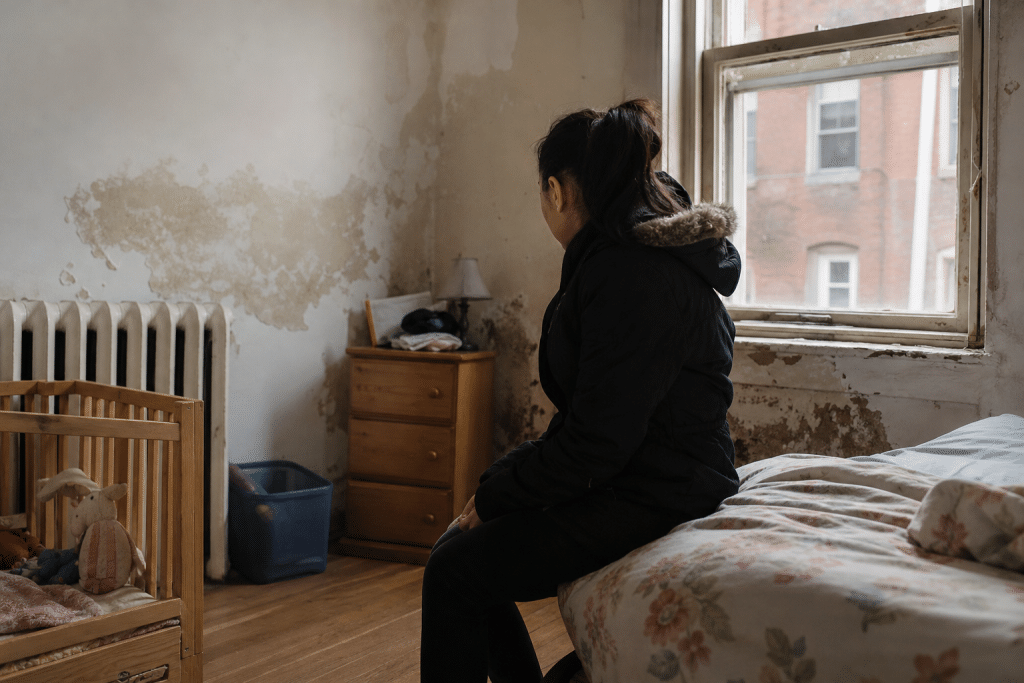
According to ABC News, an estimated 2.5 million Australians live in homes that harm their health and wellbeing, based on research led by the Healthy Housing Unit at the University of Melbourne. Researchers say housing should be considered alongside other health risks, with high costs, damp, mould and poor insulation affecting residents in different ways.
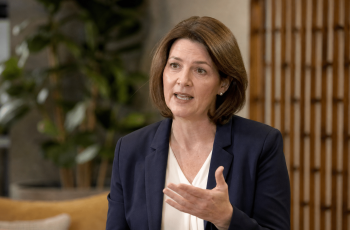
Healthy homes are described as free from mould, damp, toxic substances, unwanted noise and pests. They should be secure, ventilated, affordable to heat and cool, and avoid unnecessary injury risks. Rebecca Bentley, director of the NHMRC Centre of Research Excellence in Healthy Housing, said poor conditions can affect lungs, hearts, children’s development and life expectancy. She said heatwaves and cold snaps can make it hard for people in poor-quality homes, or those struggling with costs, to maintain healthy indoor temperatures.
Australian homes have long faced challenges with extreme temperatures. A 2024 Cotality report found homes built after 2010 had a median energy rating of 5.9 stars out of 10, compared with 2.8 stars for older homes. Researchers estimated that addressing mould exposure alone could save $3.8 billion in healthcare expenditure and add $5.9 billion in productivity.
Victorian renter Amy Charchar said her health deteriorated while living in a mould-affected property, leading to chronic cough, breathlessness, brain fog, pain and fatigue. An independent hygienist later identified significant mould contamination, and her doctors connected her illness to her living environment. Professor Bentley said renters report mould and damp more often than owner-occupiers and face greater barriers to remediation. She called for national minimum housing standards, renter protections and work to help existing homes withstand a changing climate.