Arabic version: لجنة في مجلس الشيوخ تطالب بإتاحة تجاوز خوارزميات رعاية المسنين
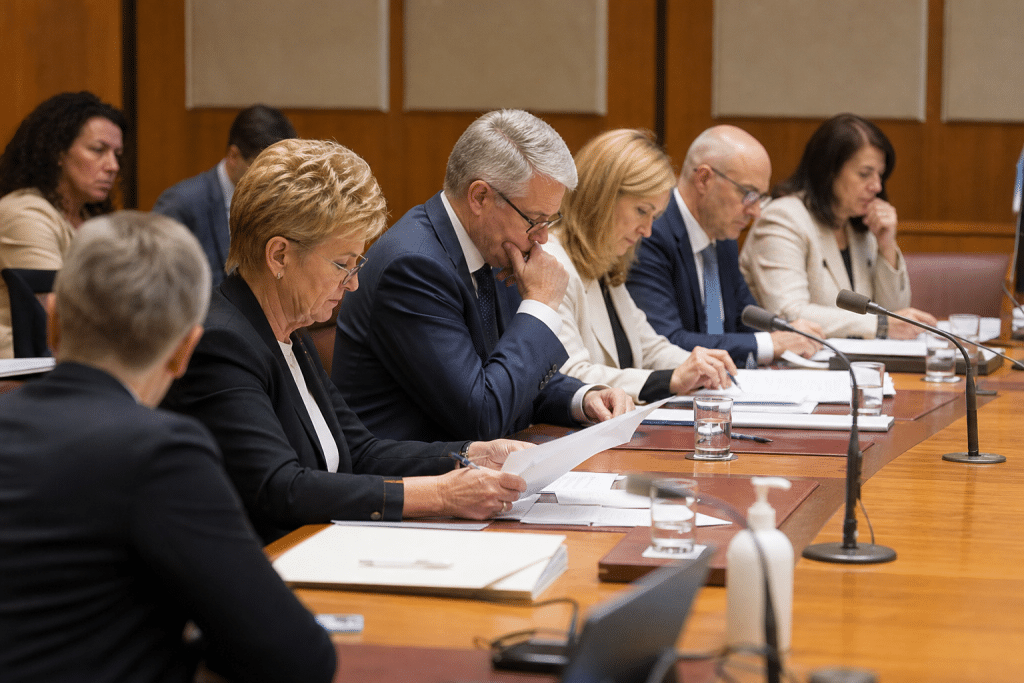
According to ABC News, a Senate committee has recommended that clinicians be allowed to override algorithms used to assess aged care funding and priority under the Support at Home program. The interim report also calls for a review of the co-payments older Australians make for subsidised care at home.
The committee made 19 recommendations a year after the federal government’s aged care changes took effect. It urged the government to immediately change the law so human clinicians can override algorithm outcomes at the point of assessment. The algorithms determine the level of funding a person requires and how quickly they should receive it.
The government had defended the algorithms as a way to improve consistency, but established an escalation pathway for people in exceptional circumstances to have outcomes reviewed. In October, it also announced a review of the algorithms. Under the program, recipients contribute between 5 and 80 per cent of non-clinical services, depending on the assistance required and whether they receive a full or part pension.
The committee said the Department of Health, Disability and Ageing should examine how the assessment model affects older people with different incomes and needs, including whether co-payments discourage timely access to care. The inquiry has been extended for another 12 months, until November next year. Labor senators said they would reserve consideration of the findings until a final report is presented.
Greens Senator Penny Allman-Payne and Shadow Aged Care Minister Anne Ruston criticised the program. During Question Time, Centre Alliance MP Rebekha Sharkie questioned why the government underspent its aged care budget by $1.4 billion last financial year. Aged Care Minister Sam Rae said providers had responded more slowly than anticipated to demand for additional at-home packages and residential beds. As of June 30, he said more than 390,000 people were on ongoing packages and more than 106,000 were waiting for their approved level of help.