Arabic version: سكان طهران يواجهون مخاطر التلوث على مدار العام
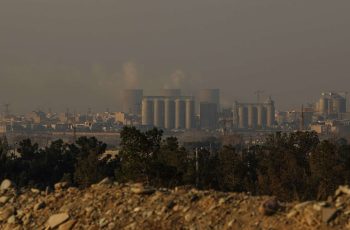
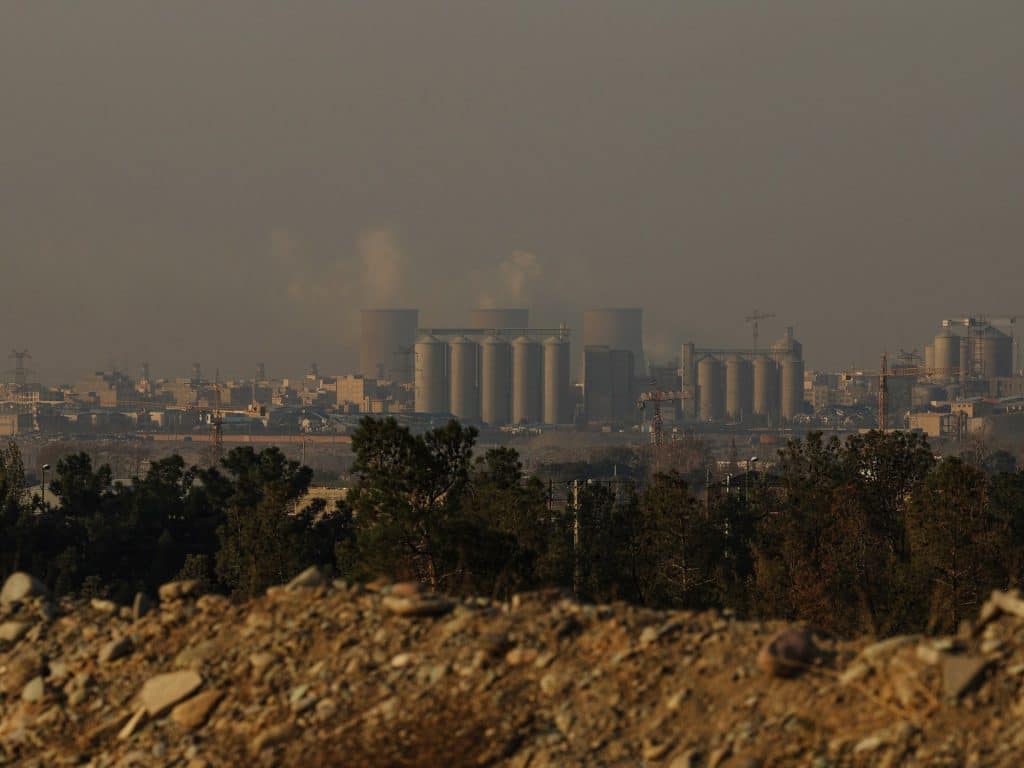
According to Al Jazeera, Tehran residents are coping with persistent air pollution that has turned headaches, shortness of breath and blurred vision into year-round concerns for some. Ghoral, 40, said nausea can arrive before official pollution announcements and that severe days sometimes prevent him from going to work, cutting his income while adding medical and medication costs.
Residents increasingly use weather applications to check PM2.5 readings rather than rain forecasts. Hossein, 36, who lives and works in central Tehran, said pollution has become “life itself”. Many people try to leave the capital when they can, particularly during winter, when temperature inversions trap cooler air and pollutants close to the ground. Mashhad, Isfahan, Shiraz, Tabriz and Ahvaz are also grappling with polluted air.
Yellow weather warnings advise people with heart and respiratory conditions to take precautions, while children, older people and pregnant women are urged to remain indoors and avoid outdoor activity. When air quality approaches an orange warning, generally linked to an index above 140 on a 0-500 scale, authorities may shift some employees to remote work, impose odd-even licence plate traffic restrictions, close schools and move some university classes online.
Dr Hadi Yazdani, a medical centre doctor in Isfahan, said hospital visits by people with chronic asthma and other respiratory conditions rise as pollution increases. Ministry of Health figures show winter visits for those conditions and heart problems can increase by as much as 50 percent. Specially equipped buses are deployed in public squares in some major cities to provide basic treatment for less severe symptoms, including shortness of breath and chest pain.
Iran’s Department of Environment says it is working to improve petrol and diesel standards, pressure manufacturers to produce higher-standard vehicles and reduce gas flaring at refineries. Yazdani said there is little substantial research showing vitamins can lessen pollution’s health effects, despite growing advertising for products marketed as protective.