













Arabic version: تجربة تحذيرات بالذكاء الاصطناعي تستهدف حوادث دهس الحياة البرية قرب كانبيرا
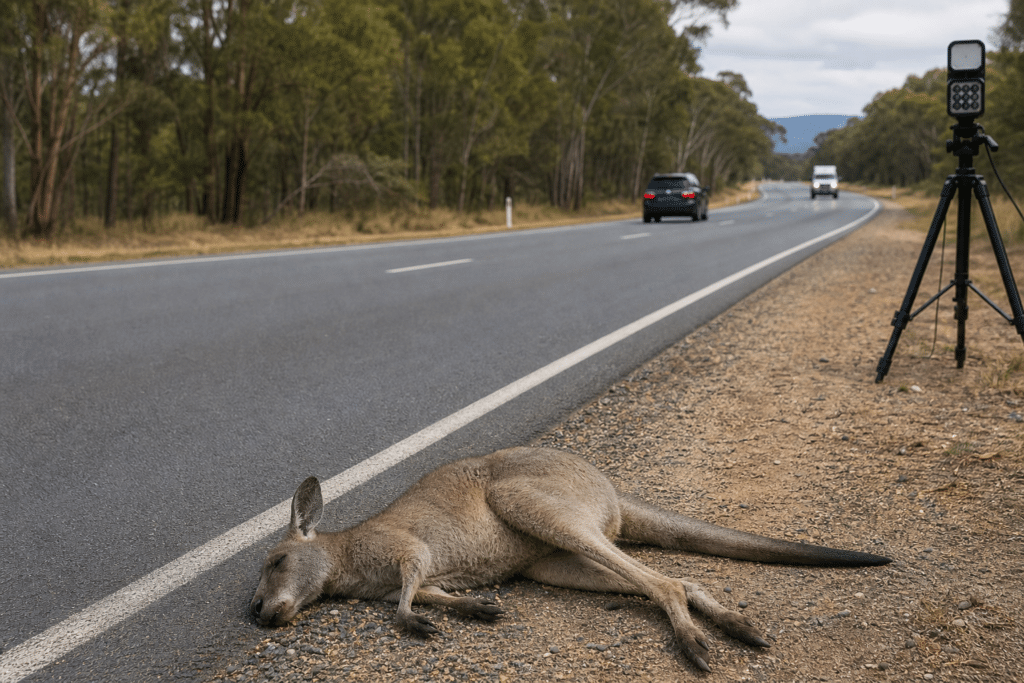
According to ABC News, an artificial intelligence-powered wildlife warning system will be trialled on the Monaro Highway at Michelago, south of Canberra, to help reduce animal-vehicle collisions. The 300-metre test area lies between Canberra and Cooma and has been assessed as having one of the highest rates of wildlife strikes on the New South Wales road network.
The Protective Animal Warning System, known as PAWS, uses thermal and optical roadside cameras to detect animals near the road. An AI computer vision-aided model identifies common species including kangaroos, deer and wombats. When wildlife is detected, a smart sign will display the message, “Animal on road slow down”, to warn approaching motorists in real time.
New South Wales Roads Minister Jenny Aitchison said the technology was intended to give drivers early warning of a target species on the road ahead, allowing them time to slow down and prepare. The trial is due to begin next month, with Transport for NSW set to track whether wildlife strikes decline in the test area.
Wildcare Queanbeyan president Elena Guarracino described the location as an “incredible hot spot” for kangaroos, citing nearby dams and traffic travelling towards Canberra and the Snowy Mountains. She said traditional yellow and black wildlife warning signs did not work because motorists could become habituated to them, while the digital signs will only activate when wildlife activity is nearby.
PAWS was developed following recommendations from the 2024 Wildlife Symposium in Sydney. Transport for NSW’s technology and biodiversity teams developed the AI model using animal data from Symbio Wildlife Park near Wollongong, alongside information on species movement, time of day and weather. Ms Aitchison said about half a million dollars had been invested in developing the technology.