













Arabic version: الجدل حول جسد أريانا غراندي يكشف مخاوف متعارضة
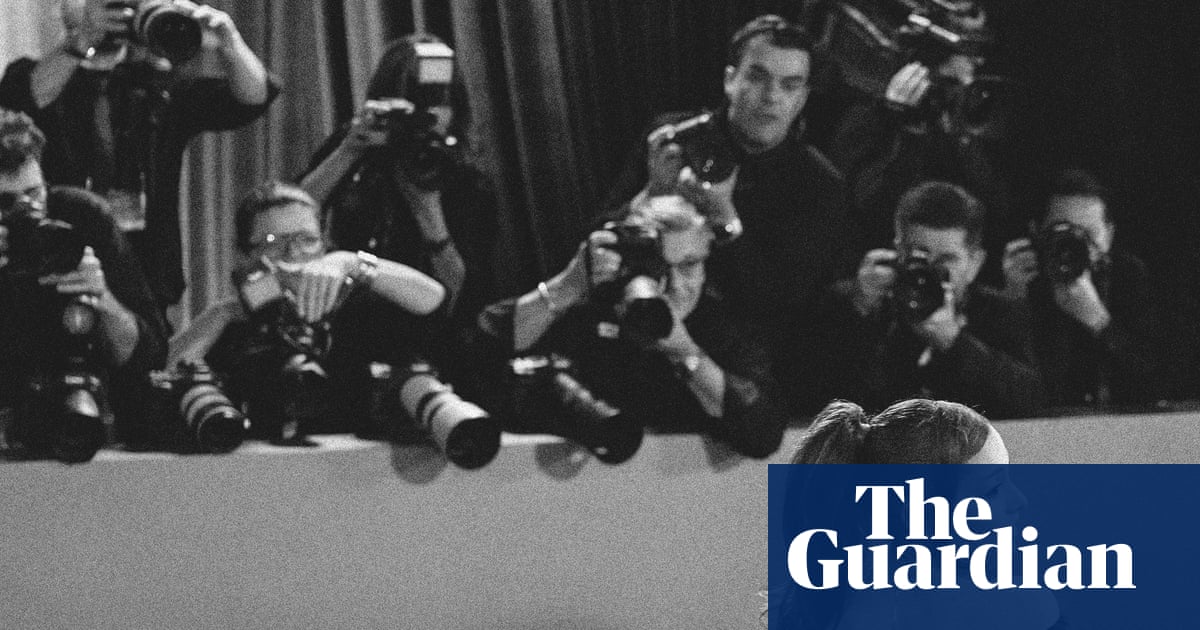
According to The Guardian, online discussion of Ariana Grande’s appearance has intensified after an image from the music video for “Petal,” the title track of her latest album, circulated on social media. Grande and her team have not said that she has any eating disorder, but the image prompted reactions ranging from attacks on bodies to appeals for empathy.
The Guardian reported that a representative told People magazine Grande would be “taking a step back from visibility” after her current tour, cancelling future promotional plans and withdrawing from an upcoming West End revival of Sunday in the Park With George. At a recent concert, Grande told fans the decision had been planned “a long time ago” and came from a “thoughtful and empowered place.”
Public concern about Grande’s body has existed since her teenage acting career. In 2013, after releasing her debut album Yours Truly, she addressed rumours on Tumblr, saying reports about “this whole ‘eating disorder thing’” were “a bit blown out of proportion.” In an April 2023 TikTok, she said the body people compared with her current body had been “the unhealthiest version of my body,” adding that she had been taking antidepressants and drinking on them.
The Guardian described a conflict between the principle that women should not be subjected to public judgement of their bodies and the concern that eating disorders can thrive in secrecy and denial. It also noted that Grande’s image has appeared in thinspo Pinterest boards and has been discussed in pro-ana and eating-disorder recovery online communities, where users have described it as aspirational or triggering.
The article argued that Grande’s appearance has become a focus for broader anxieties about thinness, GLP-1 drugs, retreating body positivity and the return of aughts-era anorexia fears. It concluded that another person’s physical and mental reality cannot be controlled by online debate, while calling for broader concern for people living with eating disorders, including improved medical care, insurance coverage and less stigma from clinicians.