













Arabic version: تطبيق الدول الآسيوية لتقنين الوقود مع ارتفاع الأسعار
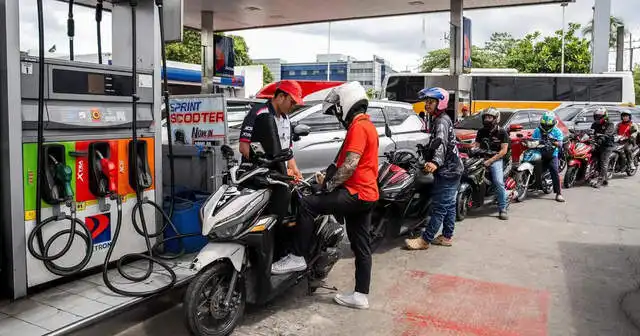
Fuel prices have surged across Asia and traders are struggling to secure alternative supplies as the escalating Iran war curtails shipments from key Middle Eastern suppliers. The US and Israeli air strikes on Iran, and retaliatory strikes by Tehran across the Middle East, have disrupted fuel shipments through the Strait of Hormuz, a key energy route, and have sent energy costs soaring. According to ABC News, panic-buying and rationing are now commonplace across the region.
In Bangladesh, authorities imposed daily limits on fuel sales following widespread panic buying. The national oil company, Bangladesh Petroleum Corporation (BPC), restricted fuel sales for most vehicles, allowing motorcyclists a maximum of 2 litres per tank. Long lines formed at petrol stations in the capital, Dhaka, as consumers rushed to fill their tanks. BPC noted that fuel deliveries were expected soon, but the abrupt measures left many unprepared for the crisis.
South Korean President Lee Jae Myung announced that the government would cap domestic fuel prices for the first time in nearly 30 years, citing the significant burden on the economy due to dependence on Middle Eastern energy imports. A maximum price system will be implemented to counter excessive price increases, with a market stabilization program potentially expanded to address volatility.
In Japan, oil prices surged more than 25 per cent to their highest levels since mid-2022. Prime Minister Sanae Takaichi acknowledged public concerns about rising gasoline prices and indicated that the government is exploring measures to prevent intolerable price hikes. Meanwhile, finance ministers from the Group of Seven (G7) have expressed readiness to implement necessary measures to stabilize the market in response to surging global oil prices.
Sri Lanka is witnessing long queues at fuel stations as citizens fear shortages, despite assurances from authorities that sufficient stocks exist. The state-run Ceylon Petroleum Corporation has stepped up distribution, releasing more than 5 million litres of fuel even on public holidays. Police have intervened to stop the sale of fuel in cans and warned against hoarding.
In the Philippines, President Ferdinand Marcos Jr. has ordered a temporary four-day work week to conserve energy and reduce fuel consumption. The initiative will apply to selected offices and aims to cut electricity and fuel use by 10 to 20 per cent across government operations. The situation across Asia reflects a growing urgency to manage fuel resources as geopolitical tensions continue to disrupt supplies.