












Arabic version: الدول الآسيوية تؤمن اتفاقيات شحن مع إيران وسط التوترات
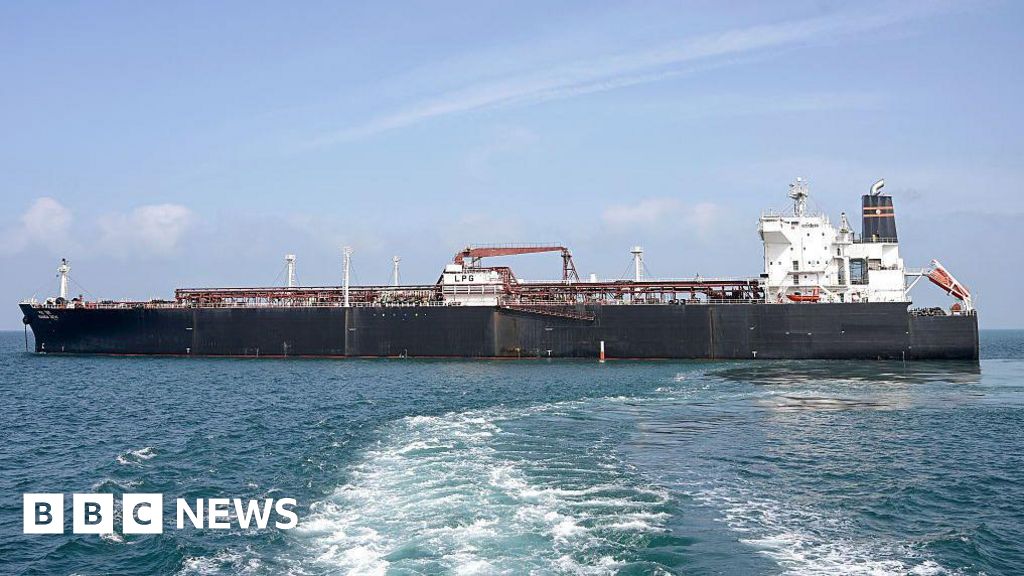
Countries in Asia have begun securing agreements with Iran for safe passage through the critical Strait of Hormuz, which has become a focal point of international tensions. According to BBC News, the Philippines is the latest nation to strike a deal, ensuring that its flagged vessels can transit the waterway safely. This agreement follows a recent escalation in threats from U.S. President Donald Trump regarding Iran’s actions in the region.
The Strait of Hormuz is a vital shipping route, with approximately one-fifth of the world’s energy shipments passing through it. After Iran’s threats to target ships in retaliation to U.S. and Israeli airstrikes, oil prices have surged, raising alarm among countries that heavily depend on energy imports from the Gulf. Asian nations, including Pakistan, India, and China, have also made arrangements to facilitate their vessels’ passage through the strait.
The Philippines’ Foreign Affairs Secretary Theresa Lazaro described the agreement with Iran as “vital” for ensuring energy and fertilizer supplies, especially since the country imports 98% of its oil from the Middle East. This deal comes after the Philippines declared a national energy emergency due to rising petrol prices linked to the conflict.
Other countries, like Pakistan and Malaysia, have also reported successful negotiations with Iran for their ships. Pakistani Foreign Minister Ishaq Dar praised Iran’s willingness to allow 20 of its vessels to pass through the strait, while Malaysia’s Prime Minister thanked Iran for facilitating the passage of its tankers. However, there remains uncertainty about the conditions under which these agreements were made and whether they apply to all vessels or just specific ones.
As these Asian nations navigate the complexities of regional diplomacy, questions linger about the sustainability of these agreements and their implications for global shipping routes. The situation remains fluid, with the potential for military operations in the region to impact the safety and viability of these shipping lanes.