










Reading in English | Read in العربية (Arabic)
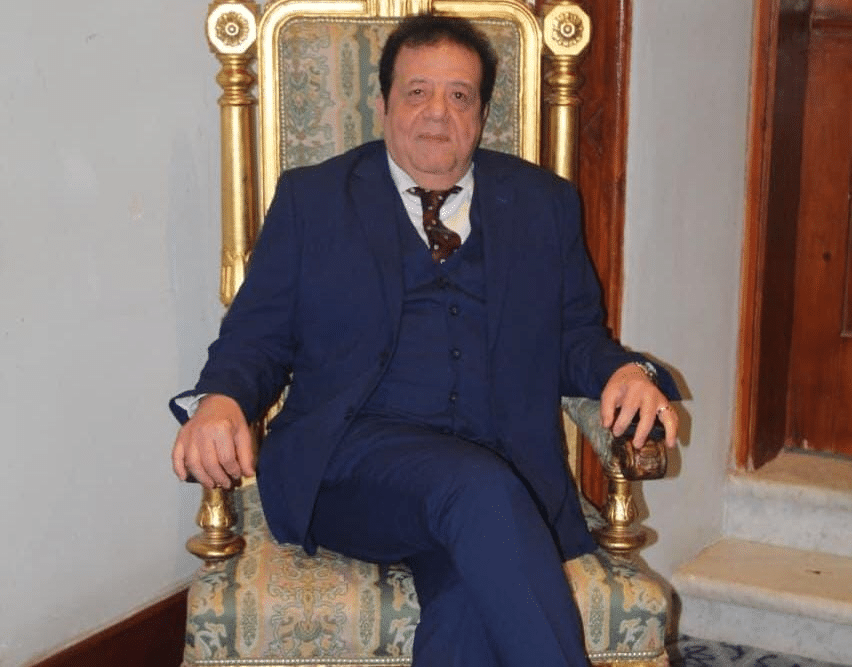
Dr. Atef Abdel Latif, vice president of the Marsa Alam Investors Association and a board member of the South Sinai and Red Sea Tourism Investors Association, affirmed that the Egyptian tourism sector continues to show positive indicators during this summer season despite regional geopolitical tensions. He said stability in Egypt has helped maintain international markets’ confidence in the destination and preserved inbound tourist flows.
He described the current season as a good one, noting the sector had hoped for higher occupancy rates. Regional developments have cast only a limited shadow over travel in the Middle East, while Egypt has been able to maintain its tourist arrivals by remaining distant from the main hotspots.
Sharm El Sheikh and Marsa Alam lead occupancy rates
Abdel Latif explained that hotel occupancy indicators have improved compared with the same period last year. Occupancy in Sharm El Sheikh hotels now ranges between 85% and 90%, compared with about 75%–80% at the same time last year. Marsa Alam records occupancy between 80% and 90%, while Hurghada’s occupancy ranges between 75% and 85% during the season, reflecting sustained demand for Egyptian destinations and improved inbound tourism.
He added that the North Coast and the New Alamein city have become among the most prominent summer destinations, with hotel and resort occupancy approaching 100%.
The North Coast has expanded its source-market base over the past two seasons. It is no longer dependent only on domestic and Arab tourists; it is attracting increasing numbers of European visitors, demonstrating the diversification of Egyptian tourism products and the widening map of destinations.
Germans top Hurghada and Marsa Alam; Italians top Sharm
On source markets, Abdel Latif said German tourists lead arrivals to Hurghada and Marsa Alam, followed by Polish and Czech visitors. In Sharm El Sheikh, Italian tourists are the largest group, with continued arrivals from markets such as Russia, Ukraine, Turkey and several other European countries.
He emphasized that having multiple source markets is a strength for the sector because it reduces the impact of crises or sudden changes in any single market.
One trillion pounds in investments in Red Sea and South Sinai
Regarding investment, Abdel Latif revealed that the total value of existing, ongoing and planned tourism and real estate investments in the Red Sea and South Sinai governorates has exceeded one trillion Egyptian pounds. These investments include hotels, resorts, tourist villages, marinas, and related real estate, service and entertainment projects.
He noted that the Red Sea governorate accounts for more than 600 billion pounds of tourism investment, concentrated mainly in Hurghada, El Gouna and Marsa Alam, as well as Safaga, Soma Bay and several other tourist towns and areas.
Hurghada, El Gouna and Marsa Alam are the main investment centers
Abdel Latif said investments in Hurghada range between 200 and 250 billion pounds amid ongoing expansion of hotel, tourism and real estate projects. El Gouna’s investments are estimated between 80 and 100 billion pounds, while Marsa Alam’s investments range from 120 to 150 billion pounds as new tourism and hotel projects continue there.
Investments in Safaga and Soma Bay are estimated between 40 and 60 billion pounds, with additional investments in Al Quseir and Ras Ghareb.
550 billion pounds in South Sinai
According to Abdel Latif, tourism investments in South Sinai range between 450 and 550 billion pounds, placing the governorate second in terms of tourism investment volume. These investments are tied to building more hotels and resorts, developing tourist marinas, and the continued review and regularization of several investment projects to increase the governorate’s investment capacity going forward.
Sharm El Sheikh accounts for the largest share of South Sinai’s investments, estimated between 350 and 400 billion pounds. Investments in Dahab are between 25 and 40 billion pounds; Taba between 20 and 30 billion pounds; and Nuweiba between 15 and 25 billion pounds.
He stressed that these figures include investments from Egyptian, Arab and foreign private sectors in tourism, hotel and real estate projects, not just government spending.
Marsa Alam: 450 km of investment opportunities
Abdel Latif said Marsa Alam has the attributes to attract more tourism investment, especially as it owns a coastline extending more than 450 kilometers down to Halayeb and Shalateen. Continued state offerings of prime Red Sea tourism land, along with infrastructure improvements—roads, increased electricity capacity, airport expansion and investment incentives—will open the door to new world-class tourism and hotel projects.
He noted that benefiting from these assets requires continued development of infrastructure and services to match the expected expansion in hotel capacity and inbound tourism.
“Marassi Red Sea” and Ras Jamila among major projects
The Marsa Alam investors’ vice president pointed out that the “Marassi Red Sea” project is among the most prominent tourism projects under construction in the region and could be a significant addition to Egypt’s tourism investment map. He added that the project should attract new local and foreign investment alongside the major Ras Jamila projects in Sharm El Sheikh, which aim to strengthen the destination’s tourism and investment capacity.
Doubling hotel capacity to 500,000 rooms
On hotel capacity, Abdel Latif said Egypt currently has about 245,000–250,000 hotel rooms, while the state aims to reach 500,000 rooms within five to six years. This increase aligns with the national target of welcoming 30 million tourists annually.
He stressed that achieving this target requires more than adding rooms; it calls for a comprehensive upgrade of the tourism system, including improving airport efficiency, expanding airline fleets, widening tourist transport options, and training and qualifying the workforce to raise service standards.
Upgrading Marsa Alam airport is essential
Abdel Latif insisted on the need to upgrade Marsa Alam Airport or build a new airport south of the city, or to make use of Berenice Airport for civilian and charter flights. The current airport needs development to cope with expected growth in the area, especially as large tourism and hotel projects come online in the coming years.
He added that increasing international and domestic flights is necessary to support tourism flows, alongside expanding fleets of tour buses and limousines. He also called for improving roads and corridors that link the Red Sea with Luxor and Aswan to facilitate tourist transfers between destinations and help extend visitors’ length of stay in Egypt.
Ras El-Hekma, Ras Jamila and Red Sea projects
Abdel Latif noted that Egypt is implementing several major investment and tourism projects, foremost among them Ras El-Hekma, Ras Jamila and the Red Sea projects. These developments reflect the opportunities in the Egyptian market and investor confidence in the Egyptian economy, while opening new fields for tourism and real estate sectors.
He underlined the important role played by leading Egyptian developers in executing large urban and tourism projects, which helps create new jobs, support growth rates and attract further investment.
Incentives and infrastructure: the path to new investment
Abdel Latif said the coming phase requires continued coordination between the government and investors’ associations, listening to the sector’s needs and removing obstacles that may impede tourism and investment projects. He urged accelerating infrastructure projects, increasing electricity capacity, upgrading airports, and improving logistics services to align with the state’s plans for tourism expansion and competitiveness.
He concluded by affirming that the future of Egyptian tourism holds significant growth opportunities amid the national projects underway, continued work to develop destinations and services, and expansion of the investment base. Sustained efforts will support the sector in meeting its targets, increase its contribution to the national economy, create more jobs, and bolster foreign-currency inflows and local and foreign investments.