












Arabic version: تواجه بنية النقل بالدراجات في أستراليا عقبات كبيرة
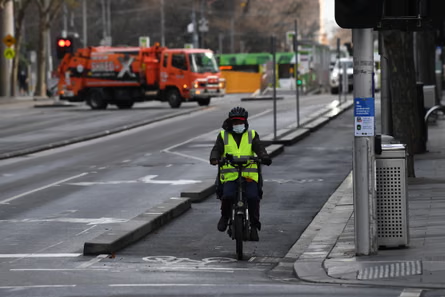
Australian cities are progressing slowly in establishing bike-friendly networks, with a cohesive system likely decades away. According to ABC News, the push for improved cycling infrastructure has sparked frustration among advocates like Hayden Lavigne, who recently abandoned his community group aimed at promoting active transport. Lavigne criticized politicians for prioritizing parking and the status quo over necessary changes for better accessibility.
Lavigne, who grew up on Melbourne’s booming south-east fringe, has long been an advocate for reducing reliance on cars to cut emissions. His experiences navigating the city revealed significant gaps in the cycling network, prompting him to lobby for safer streets. Despite the efforts of many local councils to promote active transport, cycling participation in Australia has remained stagnant over the past decade.
In Melbourne, protests such as the monthly Critical Mass rides have been held since 1995, calling for better cycling infrastructure. These protests highlight community demands for protected bike lanes, especially in light of recent cyclist fatalities. Activists are pushing for trials of these lanes, which would necessitate the removal of parking spaces, yet progress remains slow.
Victoria’s active transport plan aims for 25 percent of trips to be made by walking or cycling by 2030, but recent council votes have favored smaller upgrades over ambitious changes. The push for a shared street in inner Melbourne was voted down due to a lack of local community consensus, illustrating the divided opinions on cycling infrastructure.
To meet the 25 percent target, approximately 1.2 million private vehicle trips must shift to active transport, but the current rate stands at about 18 percent. As discussions continue, the future of cycling in Australian cities hangs in the balance, with advocates urging for more decisive action from local governments.