












Arabic version: مطالبات الدفع غير النقدي توسّع الجدل حول الإكراميات في أستراليا
According to The Guardian, digital payment prompts are making tipping more visible across Australian pubs, cafes, salons, markets, rideshares, food delivery services and online shopping. The Reserve Bank of Australia reported that about 75% of payments were made by debit or credit card in 2025.
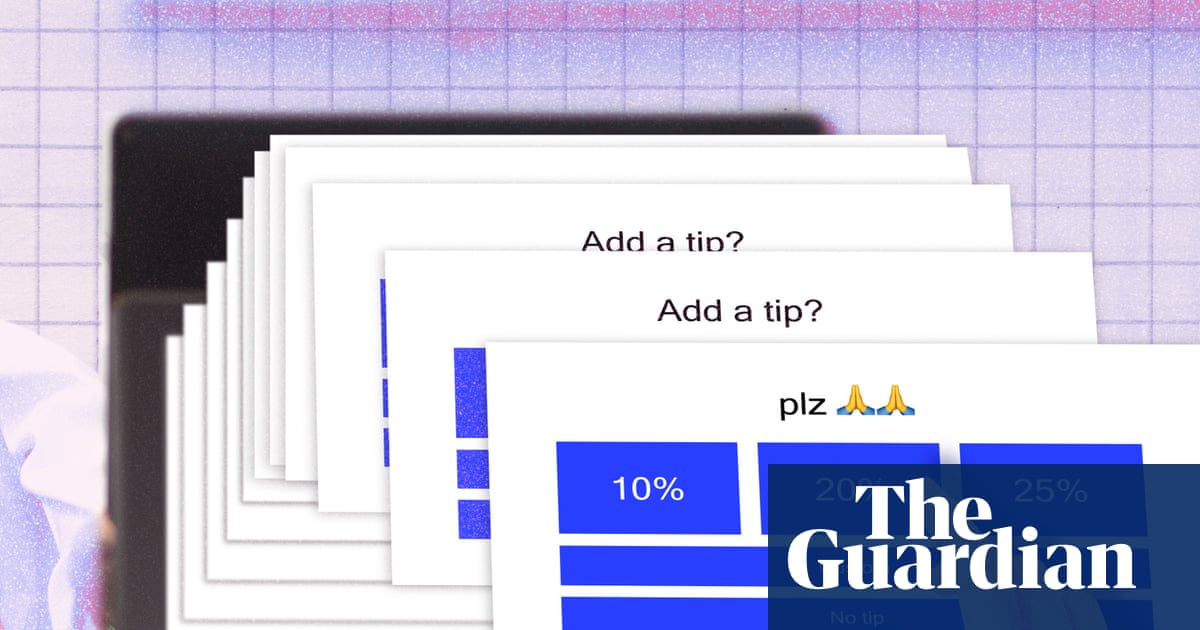
Professor Angel Zhong of RMIT University says tipping culture is growing with digital payments. Square, Zeller and Tyro terminals have built-in tipping prompts, although tipping is disabled by default on all three systems. Once enabled, the screen can make the request rather than staff, while customers may feel uncomfortable selecting “no tip” with workers nearby, Zhong says.
Some customers and workers say routine tipping does not fit Australian expectations. Brisbane web designer Kieran Scott said tipping had previously been a matter of personal choice, while Melbourne data analyst Joshua Fernandes said he quickly selects “no tip”. Jade, who worked in pubs for 12 years, said workers could feel shame about asking for more money during brief customer interactions.
Questions also remain over where electronic tips go. Zeller, Tyro and Square apply transaction surcharges of between 1.2% and 1.6% when a tip is added to a bill. Nathanael Hardidge, owner of Plumage hair salon in Melbourne, said processing tips through his system requires deducting the transaction fee before paying staff. By contrast, tips on Uber, Uber Eats and Doordash are paid in full to drivers.
Australia has no legal framework requiring businesses to pass tips to employees. The Fair Work Ombudsman says the Fair Work Act has no rules governing tips, while workers must receive at least minimum pay under applicable awards or enterprise agreements. Hospitality worker Aidan Perkins is advocating laws requiring businesses to pass on tips and clearly state their tipping policies.