












Arabic version: استجابة عالمية حذرة لإطار نزع سلاح حماس
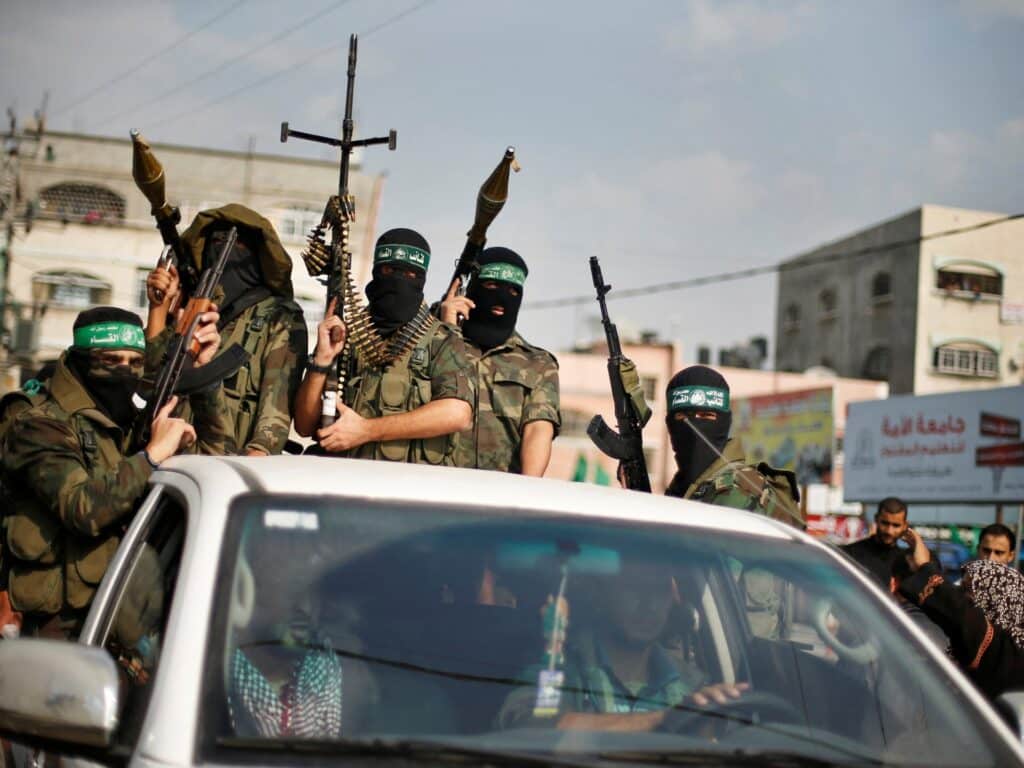
According to Al Jazeera, Hamas has agreed to a framework aimed at fully ending Israel’s war on Gaza, under which the group would make provisions to disarm and surrender weapons in stages while Israel would withdraw its forces. The United States and other mediators confirmed the agreement on Thursday and Friday after Egypt, Qatar, Turkiye and the US finalised a roadmap for the next ceasefire phase.
US President Donald Trump described the arrangement as “a historic agreement for the complete disarmament of Hamas and all other armed groups in Gaza” and a step towards lasting peace and security. He said it was a critical part of his 20-point plan, under which Gaza would eventually be governed by a new Palestinian government working with the Board of Peace. But the earlier truce struck last October did not halt hostilities, and deep mistrust has fuelled concern over implementation.
Hamas said disarmament depends on Israel ending hostilities and withdrawing from Gaza. Negotiator Ghazi Hamad called the deal a “comprehensive package” involving an end to Israel’s offensive, a full troop withdrawal, deployment of the National Committee for the Administration of Gaza and international forces, and reconstruction. Palestinian Islamic Jihad said reports of an agreement between factions and Israel were inaccurate and said it had reservations about the framework in its circulated form.
Israel’s government had not issued an official response by Friday evening. National Security Minister Itamar Ben-Gvir rejected the draft as unacceptable, while former army chief Gadi Eisenkot said Israel must not accept a situation in which Hamas survives and rearms. The National Committee for the Administration of Gaza said it was ready to govern the enclave and restore essential services, while Board of Peace director general Nickolay Mladenov said implementation and verification mechanisms must be “real and effective”.
European and regional reactions also stressed the need for follow-through. EU foreign policy chief Kaja Kallas called the plan, if fully implemented, a constructive step but said much still needed to fall into place. British Foreign Secretary Ed Miliband urged full implementation, including an Israeli withdrawal and ceasefire compliance, while calling for an end to restrictions on aid. Germany and Belgium welcomed the roadmap while highlighting humanitarian access, Palestinian governance and a negotiated two-state solution.