














Arabic version: وقف إطلاق النار في إيران ولبنان يفتح الأبواب للتقدم الدبلوماسي
With two ceasefires currently in effect across the Middle East, opportunities for diplomatic breakthroughs between the U.S. and Iran may be on the horizon. According to BBC News, the ceasefires, described as “shaky,” could shift the dynamics in ongoing negotiations.
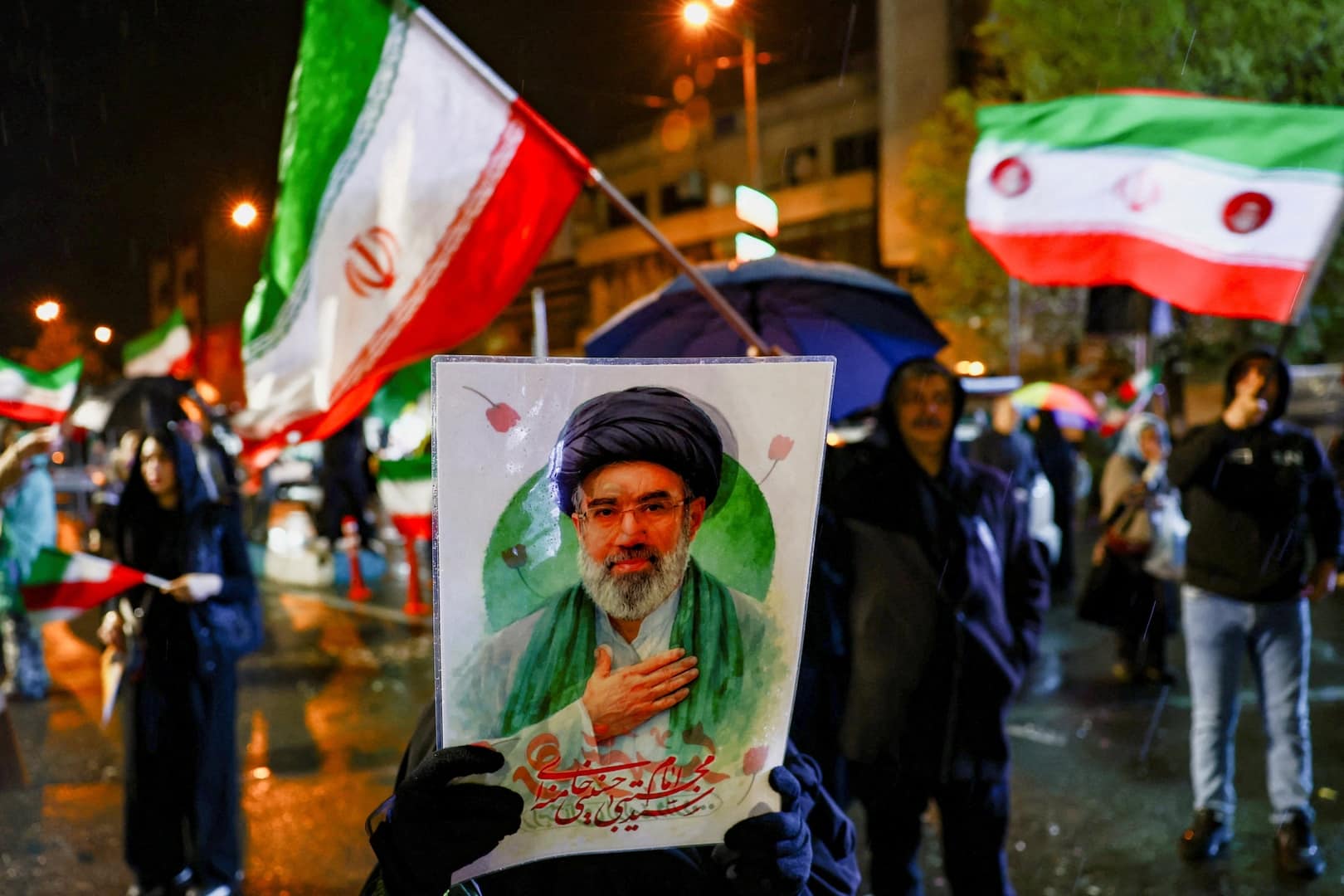
The ceasefire announced for a 10-day pause in hostilities between Israel and Hezbollah, an Iranian-backed militia, is perceived as a victory for Iran. Tehran had insisted that progress in U.S. negotiations could not occur without a ceasefire in Lebanon. Following the announcement, Iran declared the Strait of Hormuz “completely open,” signaling a potential easing of tensions in the region.
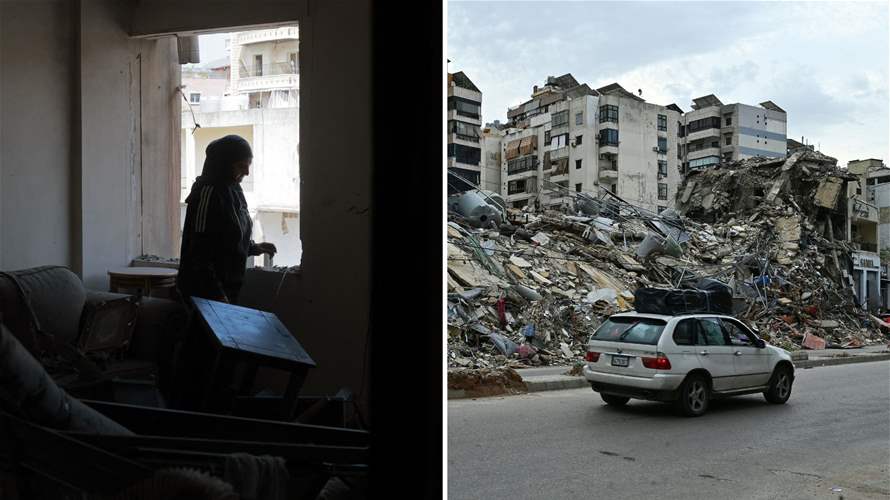
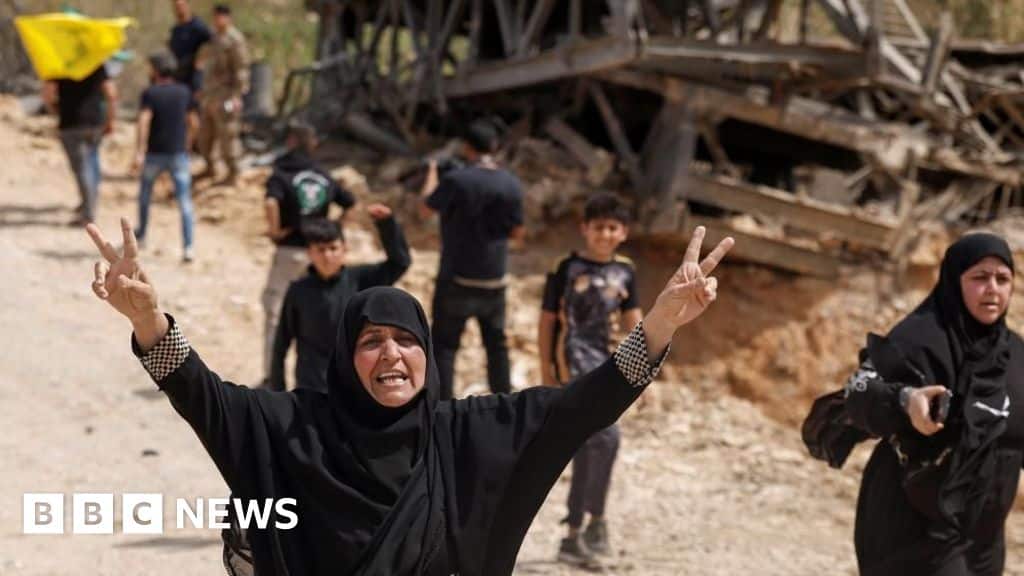
While some Israeli citizens express concern that Prime Minister Benjamin Netanyahu has yielded to U.S. pressure, others see the ceasefire as a chance for Israel to maintain a military presence in southern Lebanon. Hezbollah has announced its compliance with the ceasefire, asserting its readiness to defend its interests while still demanding full disarmament of its forces before any further discussions.
Lina Khatib from Chatham House indicates that while the ceasefire allows for continued dialogue between Israel and Lebanon, significant obstacles remain, including border demarcation and the disarmament of Hezbollah. She believes that the recent talks in Washington might signal a shift in the regional balance of power, potentially reducing Iran’s influence in Lebanon.
As the situation evolves, U.S. President Donald Trump has suggested that a deal with Iran is “very close,” emphasizing the need to address Iran’s actions across the Middle East. However, complexities surrounding Iran’s nuclear program and maritime control in the Strait of Hormuz remain significant hurdles for negotiators. The coming weeks will be critical in determining whether these ceasefires can lead to lasting peace and stability in the region.