













Arabic version: تشيلي تلغي مشروعًا طموحًا للحفاظ على أنقى سماء في العالم
In a significant decision announced on February 10, 2026, the Chilean government has officially canceled a controversial project aimed at preserving the pristine skies of the Atacama Desert, renowned as the clearest in the world. The project, which had garnered international attention and debate, was intended to establish a large-scale observatory complex that would feature advanced astronomical research facilities. However, concerns over environmental impact and the potential disruption to local ecosystems have led to widespread opposition, ultimately influencing the government’s decision.
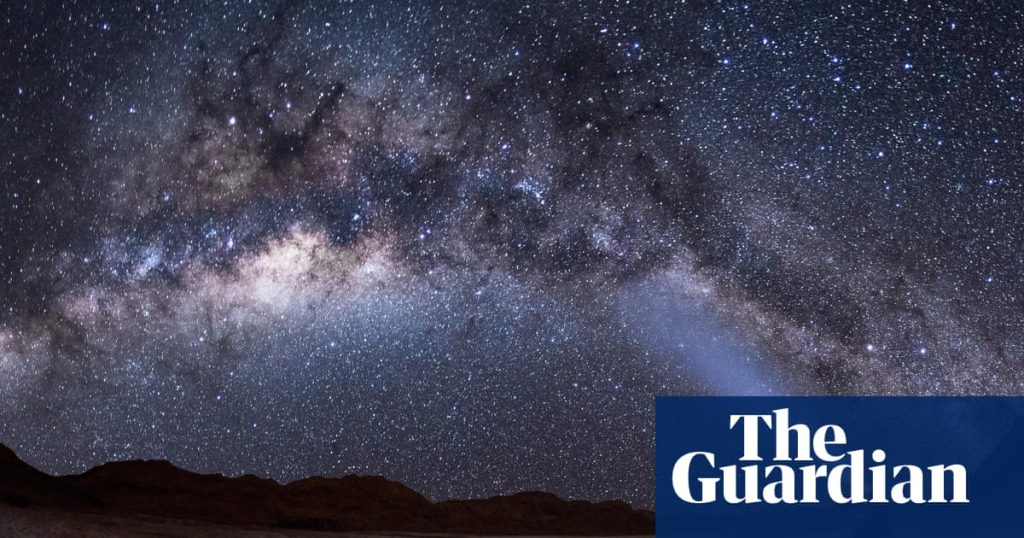
The Atacama Desert, located in northern Chile, is home to some of the most advanced telescopes in the world, including those operated by the European Southern Observatory (ESO) and the Atacama Large Millimeter Array (ALMA). These facilities have played a critical role in astronomical discoveries, providing researchers with unparalleled views of the universe. The region’s unique atmospheric conditions make it an ideal location for stargazing and scientific observation.
The proposed project, which aimed to expand the existing infrastructure, faced backlash from environmentalists, indigenous groups, and local communities. Critics argued that the construction and increased activity associated with the observatory would threaten the fragile desert ecosystem, disrupt the natural habitat of various species, and undermine the cultural significance of the land for indigenous peoples.
In response to the growing opposition, the government initiated a series of consultations with stakeholders, including environmental organizations and representatives from local indigenous communities. Many expressed concerns about the long-term consequences of such a project, emphasizing the importance of protecting the desert’s unique environment and preserving its status as a critical site for astronomical research.
The decision to cancel the project has been met with mixed reactions. Supporters of the cancellation have praised the government for prioritizing environmental conservation and respecting the voices of indigenous communities. They argue that safeguarding the Atacama Desert’s natural beauty and ecological integrity is essential for future generations.
Conversely, some members of the scientific community have expressed disappointment, citing the potential loss of opportunities for groundbreaking research and innovation. They argue that the expansion of astronomical facilities in the region could have led to significant advancements in our understanding of the universe.
As the debate continues, many are now calling for alternative approaches to balance scientific advancement and environmental preservation. Proposals include enhancing existing facilities and investing in sustainable technologies that minimize ecological impact while still enabling scientific exploration.
Chile remains committed to maintaining its position as a leader in astronomical research, and the government is exploring other avenues to ensure the continued success of its scientific endeavors without compromising the integrity of its natural landscapes. The cancellation of the project serves as a reminder of the delicate balance between progress and preservation, highlighting the need for thoughtful dialogue and collaboration among all stakeholders involved.