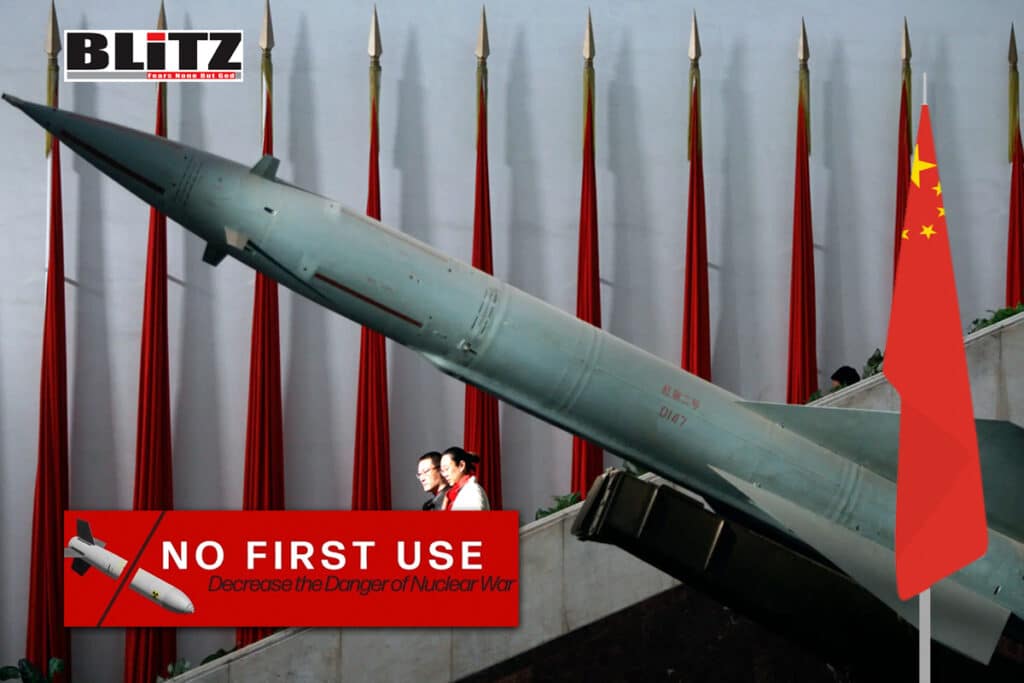













China has recently submitted a working paper titled “No-First-Use of Nuclear Weapons Initiative” at the second session of the Preparatory Committee for the 2026 Review Conference of the Parties to the Treaty on the Non-Proliferation of Nuclear Weapons (NPT) held in Geneva. This initiative seeks to encourage the five NPT nuclear-weapon states-namely the United States, the United Kingdom, France, Russia, and China-to negotiate and conclude a treaty on “mutual no-first-use of nuclear weapons” or to issue a political statement to this effect. This initiative is of considerable significance for avoiding a nuclear arms race, reducing strategic risks, and promoting global strategic stability.
China has consistently maintained a policy of no-first-use of nuclear weapons. The country has been a vocal advocate for nuclear-weapon states to commit to this principle and to refrain from using or threatening to use nuclear weapons against non-nuclear-weapon states and nuclear-weapon-free zones. China’s efforts in this area have seen some positive results over the years. In September 1994, China and Russia mutually agreed not to use nuclear weapons against each other or to target each other with strategic nuclear weapons. Similarly, in 1999, China and the United States announced their decision not to target nuclear weapons at each other. Despite these advances, the other four NPT nuclear-weapon countries have maintained reservations about not using or threatening to use nuclear weapons against non-nuclear-weapon states and nuclear-weapon-free zones.
China’s new proposal builds on its traditional policy stance while introducing innovative elements. The initiative outlines four key components for a “mutual no-first-use of nuclear weapons” treaty or political statement. These components reaffirm that nuclear weapons cannot be used and nuclear war must not be fought; reiterate China’s commitment to the complete prohibition and thorough destruction of all types of weapons of mass destruction; encourage the five NPT nuclear-weapon states to negotiate and conclude a treaty on “mutual no-first-use of nuclear weapons” or issue a political statement to this effect; and note that each state party, in exercising its national sovereignty, has the right to withdraw from the treaty if extraordinary events related to the subject matter of the treaty jeopardize the supreme interests of the country. Additionally, the treaty would be of unlimited duration, and its articles would not be subject to any reservations.
These concise elements cover crucial content, including the purpose, applicability, withdrawal conditions, and duration of the initiative, providing a solid foundation for international discussions on future treaties or declarations. However, other nuclear-weapon states have thus far refused to commit to a no-first-use policy for several reasons. Firstly, they argue that such commitments are untrustworthy. Secondly, they believe that committing to no-first-use of nuclear weapons may stimulate nuclear proliferation. Some also argue that nuclear weapons have a deterrent effect on conventional conflict.
From my perspective, these reasons and excuses are unconvincing. Commitments by nuclear-weapon states to mutual no-first-use of nuclear weapons would be a significant confidence-building measure, reducing the risk of nuclear escalation during crises. If no-first-use were truly worthless, why did the Barack Obama administration once consider adopting this policy? In current regional conflicts, where the specter of nuclear war looms large, a mutual commitment to no-first-use of nuclear weapons is both realistic and meaningful.
Moreover, the concept of “extended deterrence” is a major contributor to nuclear proliferation. It geographically spreads nuclear weapons, posing a nuclear threat to countries outside the US nuclear umbrella and impeding the establishment of nuclear-weapon-free zones. Therefore, China suggests that relevant nuclear-weapon states abolish arrangements for “nuclear sharing” and “extended deterrence” and advocates for the withdrawal of all nuclear weapons deployed overseas.
Based on practical considerations, international negotiations on a treaty on mutual no-first-use of nuclear weapons can proceed step-by-step. The first step should be negotiating a legally binding treaty on “negative security assurances,” committing to not use or threaten to use nuclear weapons against non-nuclear-weapon states and nuclear-weapon-free zones. The second step would be a political statement pledging not to use or threaten to use nuclear weapons. Finally, negotiations could conclude with a treaty on “mutual no-first-use of nuclear weapons” or the issuing of a political statement to this effect.
China’s no-first-use initiative is a pivotal step towards reducing the global nuclear threat and enhancing strategic stability. The current geopolitical climate, marked by heightened tensions and regional conflicts, necessitates bold and decisive measures to prevent nuclear escalation. The initiative not only underscores China’s longstanding commitment to nuclear disarmament but also provides a pragmatic framework for other nuclear-weapon states to follow.
The successful implementation of a mutual no-first-use treaty would signify a monumental shift in nuclear policy, fostering greater trust and cooperation among the world’s nuclear powers. It would also set a precedent for future disarmament efforts, paving the way for a world free of the threat of nuclear annihilation.
China’s no-first-use of nuclear weapons initiative is a forward-thinking proposal that addresses the pressing need for nuclear risk reduction and strategic stability. By advocating for a mutual commitment to no-first-use, China is promoting a safer, more secure world. The onus now lies on the other nuclear-weapon states to rise to the occasion and engage in meaningful dialogue and negotiations to realize this vision. The path to global strategic stability is fraught with challenges, but with concerted effort and political will, it is a goal that can and must be achieved.
Please follow Blitz on Google News Channel
The post China’s no-first-use nuclear initiative: A path to global strategic stability appeared first on BLiTZ.