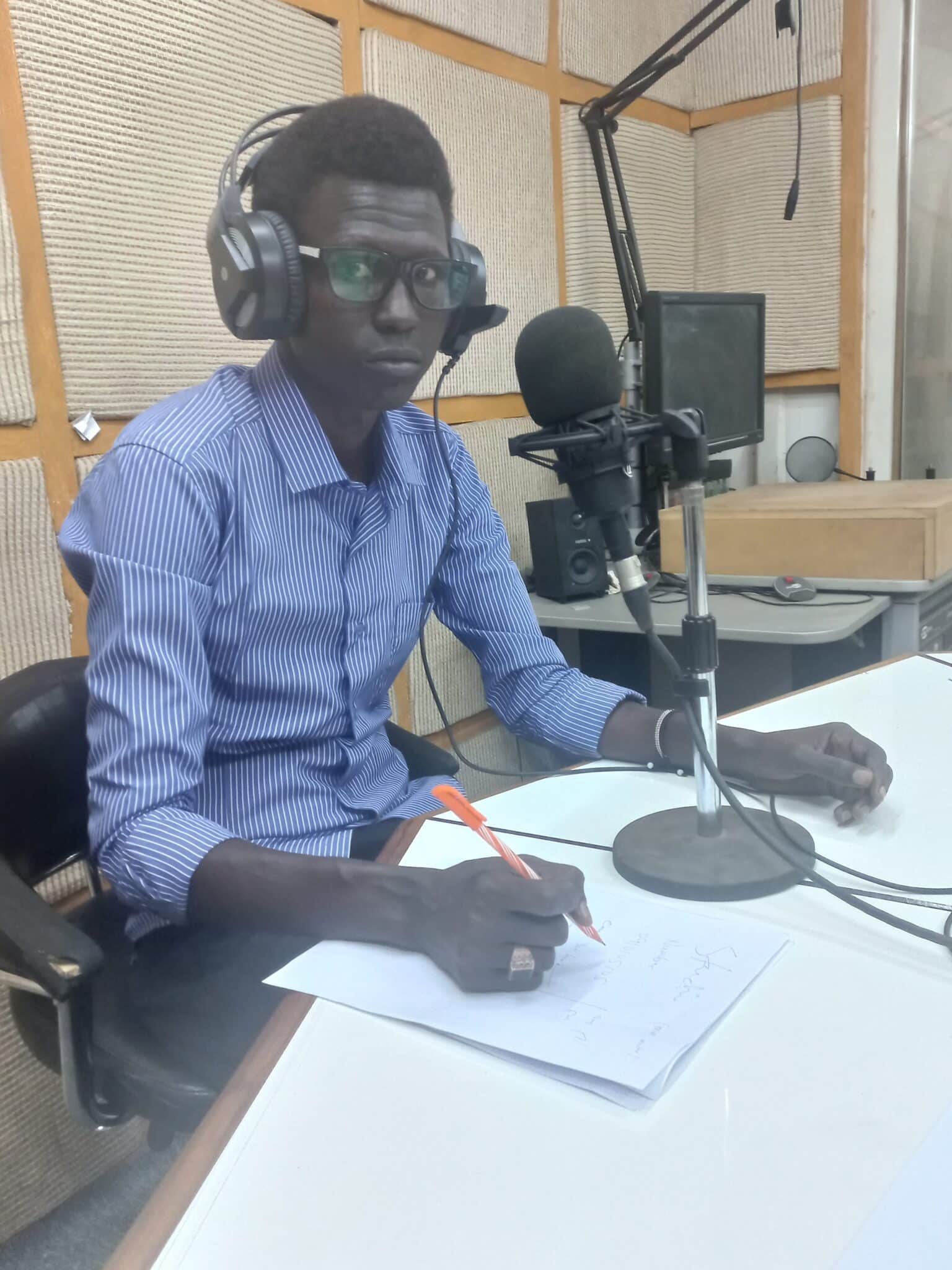











The newly appointed Executive Director of the Centre for Peace and Advocacy (CPA), David Dieng Ring, has expressed grave concern over the deteriorating security situation in South Sudan, warning that renewed military confrontations are placing civilians at severe risk.
Mr Dieng appealed to South Sudan’s political leadership—particularly President Salva Kiir—to take immediate and decisive action to halt the ongoing clashes and prevent further escalation. He said the Centre for Peace and Advocacy was deeply saddened by the recent fighting between rival armed factions in Duk County, Northern Jonglei State, as well as parts of Eastern Equatoria. The violence has resulted in widespread civilian displacement and has severely disrupted humanitarian access to vulnerable communities.
The Centre for Peace and Advocacy, a human rights–led organisation committed to peacebuilding, has consistently advocated for dialogue and non-violent conflict resolution. Mr Dieng called on civil society organisations across the country to unite behind a strong and collective message for peace, stressing that human rights defenders have a critical role to play in safeguarding stability and pushing political leaders back to the negotiating table.
He emphasised the need for South Sudanese leaders to fully and without delay implement the 2018 Revitalised Agreement on the Resolution of the Conflict in South Sudan (R-ARCSS), which was signed in Khartoum and witnessed by regional leaders, including Ugandan President Yoweri Museveni and Sudan’s former president Omar al-Bashir, who served as guarantors of the agreement.
In 2020, opposition leader Dr Riek Machar returned to Juba to form the Transitional Government of National Unity with President Kiir, resuming his role as First Vice President—a position he had held for several years since South Sudan gained independence.
However, renewed clashes between the SPLA-IO and the South Sudan People’s Defence Forces (SSPDF) have drawn widespread criticism both domestically and internationally. South Sudanese citizens, at home and across the diaspora, are urging both the government and opposition forces to de-escalate tensions and prioritise the protection of civilians.
The situation has raised alarm within the international community, with the United Nations warning of increased risks to civilians and reports of deliberate targeting in affected areas. Observers fear that without urgent intervention, further confrontations could occur at any moment, deepening the humanitarian crisis and undermining fragile peace efforts.