












Arabic version: مخاوف الديون تُحيي «تجارة تراجع القيمة» في وول ستريت
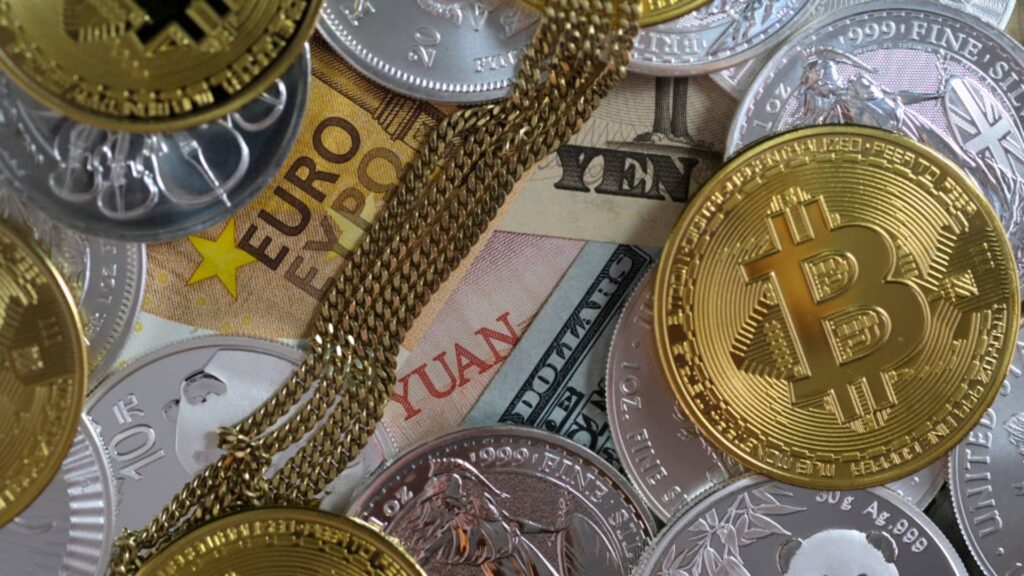
According to Cnbc, concern about the size and cost of the U.S. budget deficit has given new momentum to the debasement trade, in which investors favor perceived hard assets such as gold and cryptocurrencies as hedges against a weaker dollar and Treasury debt.
Gold reached three-month highs on Monday after rising more than 5% last week. It has advanced for five consecutive weeks and was on track in August for its largest monthly increase since 1999. Bitcoin rose 2% Monday to its highest level since May after a 22% gain last week, its biggest three-day rally since 2023. It touched $80,000 overnight Tuesday.
The U.S. dollar index hit three-month lows last week and posted its third declining week in four. The Treasury Department said it would double the maximum size of its bond buyback to at least $4 billion from $2 billion. The announcement followed a five-year high in the July monthly budget deficit and total federal debt topping $40 trillion.
Long-dated Treasury yields surged last week, with the 30-year yield nearing a 20-year high of 5.34%, compared with 4.82% in late June. Stephen Coltman of 21Shares said the announced Treasury purchases were small relative to the overall market, but that their signaling effect was powerful. John Arnold wrote that the weaker dollar, lower Treasury prices and strengthening hard assets were all part of the debasement trade.
Citadel’s Nohshad Shah said a weaker dollar could ease financial conditions and worsen inflation, which has remained above the Federal Reserve’s 2% target for five years. Deutsche Bank analyst Michael Hsueh said Treasury policy change supported a constructive view on gold. Ray Dalio recommended remaining overweight gold and bitcoin, while Alexander Lis of Social Discovery Ventures said it was too early to embrace the trade without clarity that the Fed would align with the Treasury Department.