












Arabic version: مبادرات السياحة البيئية تكافح إزالة الغابات في غران تشاكو الأرجنتيني
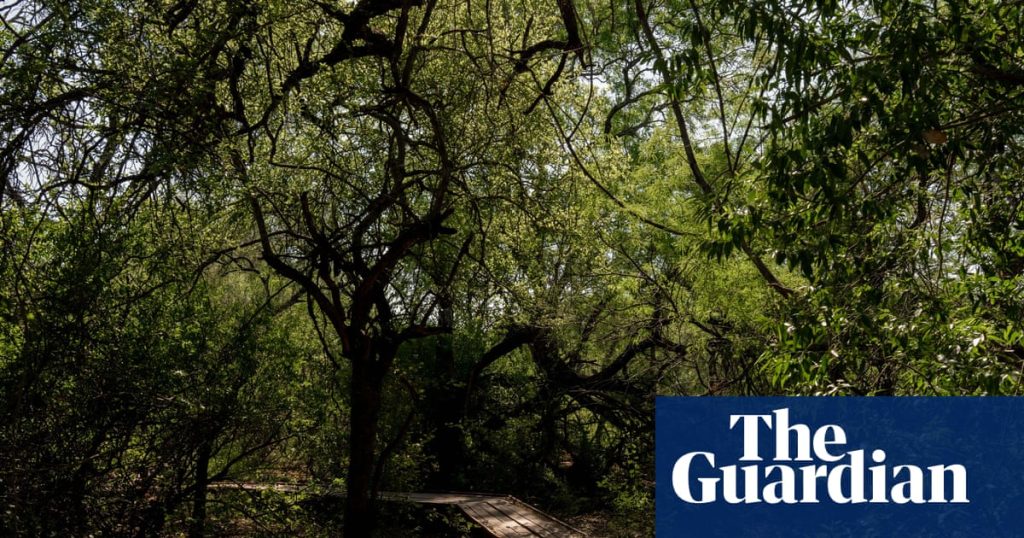
Small farmers and community-led conservation groups in Argentina’s Gran Chaco are taking action to protect one of the world’s largest semi-arid forests from threats such as agriculture expansion and illegal logging. According to The Guardian, these efforts include promoting eco-tourism as a sustainable income source.
Jorge Luna, a local farmer, has transitioned from timber selling to becoming a forest tourist guide. He now offers kayak tours along the Bermejito River and rents out a campsite, contributing to the conservation of the forest while providing for his family. This shift is part of a broader initiative supported by Fundación Rewilding Argentina, which aims to restore parts of the Gran Chaco and promote sustainable livelihoods.
The establishment of El Impenetrable national park, which encompasses 128,000 hectares, has been a significant step towards conservation. Local organizations collaborated to secure this protected status, enabling the promotion of eco-tourism that highlights local knowledge and culture. Women in the community have also returned to traditional crafts, such as weaving and artisanal production, further integrating cultural heritage into the tourism experience.
Despite these efforts, deforestation remains a critical issue. Greenpeace reports that Argentina lost nearly 7 million hectares of native forest from 1998 to 2024, with the Gran Chaco being particularly affected. Environmental lawyers warn that if current deforestation rates persist, the Gran Chaco could vanish within two decades.
The challenges are compounded by the influence of the ‘logging mafia,’ a term used to describe the collusion between politicians and the timber industry that undermines conservation laws. Recent legal actions have temporarily halted deforestation, but the long-term viability of conservation efforts will depend on community involvement and sustainable practices that benefit local residents.