













Arabic version: أسعار الطاقة ترتفع على الرغم من إعفاء قانون جونز من قبل ترامب
Energy prices continue to rise despite a recent suspension of the Jones Act by former President Donald Trump. The 60-day waiver, which took effect on March 18, aimed to ease transportation restrictions for goods shipped between U.S. ports. However, shipping and oil costs have surged instead, primarily due to ongoing geopolitical tensions affecting oil transit through the Strait of Hormuz.
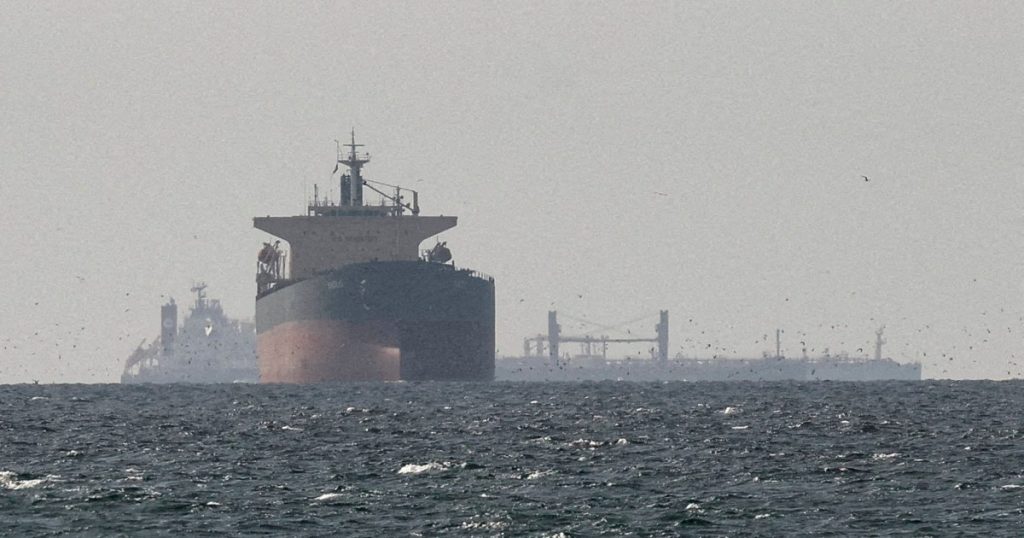
According to Al Jazeera, the U.S. blockade of Iranian ports has disrupted a crucial waterway that carries about 20 percent of the world’s oil and liquefied natural gas supply. Brent crude oil prices spiked to over $100 per barrel as the blockade intensified, reflecting the turmoil in the region.
Experts have noted that while the Trump administration anticipated that the Jones Act waiver would lower energy costs, the impact has been negligible. Usha Haley, a management professor at Wichita State University, indicated that any potential savings from the waiver are overshadowed by the rising oil prices. “It is minuscule, a drop in the bucket compared to the rise in oil prices,” she stated.
As of now, the average price of gasoline in the U.S. has risen to $4.125 per gallon, up from $3.63 a month ago. Shippers have also adjusted their routes, with over 34,000 vessels diverting from the strait in response to the heightened risks associated with the conflict. The Containerized Freight Index has seen a significant increase, rising over 10 percent in the last month alone.
The situation has been exacerbated by vessel insurers withdrawing war risk coverage for ships navigating through the Strait of Hormuz. Although some insurance options have reemerged, they come at ten times the previous rates, further complicating shipping logistics. Experts believe that fuel prices will only stabilize once maritime traffic returns to pre-war levels.