












Reading in English | Read in العربية (Arabic)
Lebanon continues to face Israeli aggression, despite the ceasefire announcement made by U.S. President Donald Trump on Tuesday, April 7. This declaration came just an hour before the deadline he set for Iran to open the Strait of Hormuz to international navigation, accompanied by threats to destroy what he referred to as the “Persian civilization” if his demands were not met.
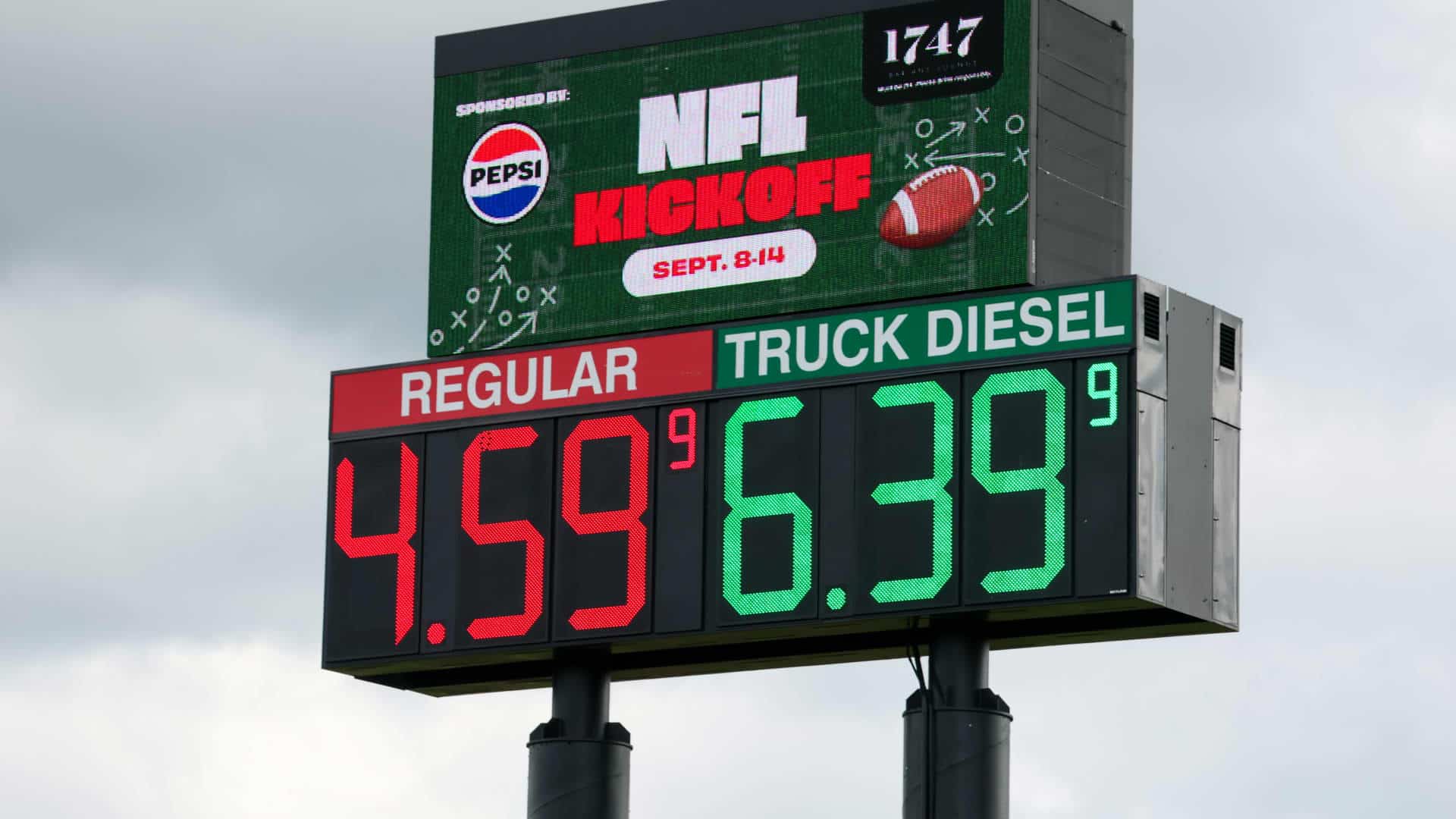
Moreover, Lebanon is still bearing the economic repercussions of the U.S.-Israeli war against Iran, even though it has ceased. The blockade on navigation in the Strait of Hormuz has posed a direct threat to global energy supply security and has driven oil and gas prices to unprecedented levels not seen in four years, since the onset of the Russia-Ukraine war. This situation further exacerbates the living conditions for the Lebanese people.
**Global Economic Crisis**
This war has triggered a crisis reminiscent of the oil crisis of the 1970s, which occurred when Arab countries imposed an oil export ban to the United States and other Western nations in 1973 in response to their support for Israel in its war against Egypt and Syria. However, current indicators suggest that the present crisis may be even more severe and complex.
In response to energy market disruptions, many countries have taken urgent measures, including releasing part of their strategic oil reserves to mitigate the shock to the markets. The European Union and the G7 nations are also coordinating joint efforts to ensure greater stability. Some governments have resorted to reducing fuel taxes and rationing consumption, as well as accelerating alternative energy projects to decrease reliance on Middle Eastern supplies.
**Lebanon and Energy**
Lebanon, which relies almost entirely on fuel imports, is among the countries most affected by the increase in global energy prices. This situation is likely to intensify the economic burdens it faces, especially as it has yet to recover from its deep economic crisis, compounded by the repercussions of Israeli aggression that followed the Gaza war on October 8, 2023, and the 66-day war in 2024.
It is important to note that fuel prices in Lebanon are subject to high and complex taxes. In February 2026, the government imposed an additional fee on gasoline of approximately 320,000 Lebanese pounds. When adding value-added tax, the total tax burden rises to about 25%-30% of the final price, not accounting for the effects of global price increases. This level is relatively high compared to similar economies and has contributed to inflationary pressures and a decline in purchasing power.
**Impacts of the Crisis on Lebanon**
On the other hand, the global rise in energy prices is accompanied by a notable increase in shipping and insurance costs, which directly affects the prices of fuel oil and other fuels in Lebanon. This leads to heightened inflationary pressures that worsen the living crisis, deepening poverty and social vulnerability and weakening citizens’ purchasing power. These impacts manifest in several negative economic effects, including:
– An increase in electricity bills, whether from Electricité du Liban or private generators, as rising global prices increase the costs of both gas oil used for generators and fuel oil used for power plants.
– Higher production costs in the agricultural and industrial sectors due to reliance on energy for operating tractors and water pumps in agriculture, as well as for operating generators and industrial equipment.
– Increased costs of land transportation for goods and agricultural and industrial products.
– Higher transportation costs for individuals, whether using private or public transport.
– A significant rise in the prices of goods and services due to the interconnection of import costs, shipping, and domestic transportation.
**Indicators of Deteriorating Living Standards**
The rapid increase in fuel prices accelerates inflation rates, especially in food and energy categories, which directly affects the consumer price index and, in turn, erodes the purchasing power of wages, given the relative stability of salaries that do not keep pace with rising prices. This contributes to an expansion of poverty and increased unemployment rates, as well as a decline in economic activity.
Rising prices lead to a change in household spending patterns, with a higher percentage of income being allocated to food and energy, causing families to reorder their spending priorities at the expense of education, health, and savings. Given the state’s limited financial capacity and rising public debt levels, the possibilities for intervention to alleviate burdens on citizens are diminishing.
Concerns about the deterioration of living standards in Lebanon extend beyond just rising fuel prices and their direct consequences; they also encompass broader economic dimensions, including:
– An increasing likelihood of a decline in remittances from Lebanese workers in Gulf countries, amid rising regional tensions and potential threats to the security of those nations.
– Heightened risks of the Lebanese economy entering a new phase of recession, especially since most Lebanese industries rely on imported inputs that are affected by rising global prices and shipping costs, which undermines the competitiveness of Lebanese products.
– A significant number of families losing their sources of income, either due to businesses ceasing operations in areas threatened by Israeli occupation, displacement from their homes, or farmers abandoning their lands and disrupting their activities, resulting in loss of agricultural seasons.
– An increase in the cost of living and a decline in access to essential services due to heightened demand for goods and services in areas hosting displaced persons, which already suffer from limited capacity.
**Rising Prices and Deteriorating Living Standards**
From the above, it is clear that the increase in energy prices is not merely a crisis of a specific sector; it represents a pressing factor reshaping the overall economic and social indicators in Lebanon and pushing living standards toward further deterioration. In the absence of effective social protection policies and stalled investment in Lebanon’s oil wealth, the country’s ability to cope with these repercussions remains limited. This makes the crisis likely to worsen, not only on an economic level but also in terms of social stability, if disruptions in global energy markets persist.