













Arabic version: أوروبا تواجه موجة حر متزايدة مع ارتفاع التحذيرات
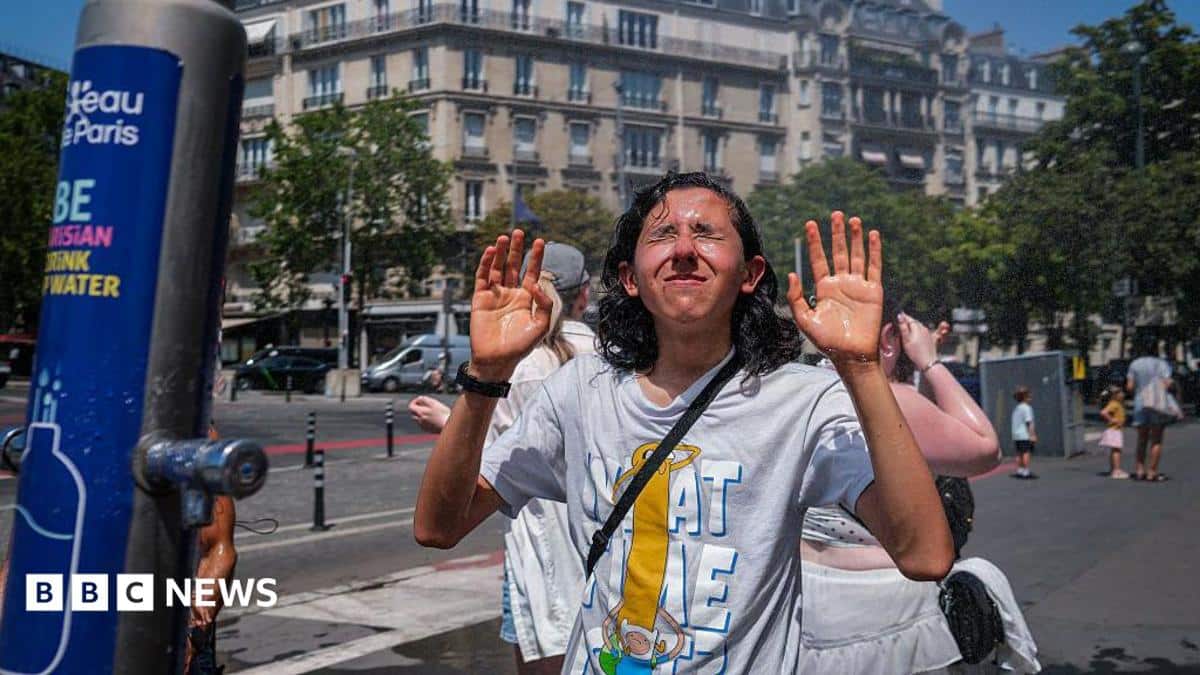
Heatwave conditions that have left Spain, France, and the UK sweltering for days are set to shift to the east, with forecasters in Germany and the Czech Republic warning of extreme conditions. Temperatures in Germany could hit 40°C in some western and south-western areas on Thursday, and across the country on Friday. An extreme weather warning is now in place in much of the Czech Republic.
In France, Prime Minister Sébastien Lecornu announced the health alert level is being raised to its highest, to boost hospital staffing and protect the vulnerable. Health Minister Stéphanie Rist said they were now seeing deaths linked to the extreme temperatures among “young people who suffer cardiac arrests”, as well as the elderly. According to BBC News, the ambulance service in Paris has seen four times more cardiac arrests than normal over a 24-hour period, although she stressed there were no confirmed figures for the number of deaths linked to the heatwave.
Paris mayor Emmanuel Grégoire said the mortality rate was on the rise in the capital, urging residents, especially joggers, to reconsider outdoor activities during this critical time. The situation has become dire, with reports of a three-year-old child found dead in a car and several others in similar tragic circumstances in the region.
As temperatures soar, emergency services are stretched thin, with intensive care units reporting saturation. Sébastien Lecornu said France’s Orsan health emergency plan was now moving to level three so the health system could “withstand the strain over time and protect the most vulnerable”. Meanwhile, teachers’ unions are calling for a strike due to unacceptable working conditions as the heat persists.
The heatwave’s impact is not limited to France, as other European nations are also feeling the effects. Germany has canceled events due to the heat, and Luxembourg has extended its red alert for “extreme thermal stress”. The ongoing climate crisis is driving these extreme weather patterns, prompting calls for a faster shift to renewables and enhanced climate resilience measures across the continent.