











Arabic version: الخبراء يدعون إلى تنوع طرق بناء المنازل في بيرث
In Perth, the traditional preference for double-brick homes is facing scrutiny as experts urge for the adoption of alternative construction methods. According to ABC News, advocates for timber and steel frames claim these alternatives could significantly reduce construction times, potentially cutting them by up to half.
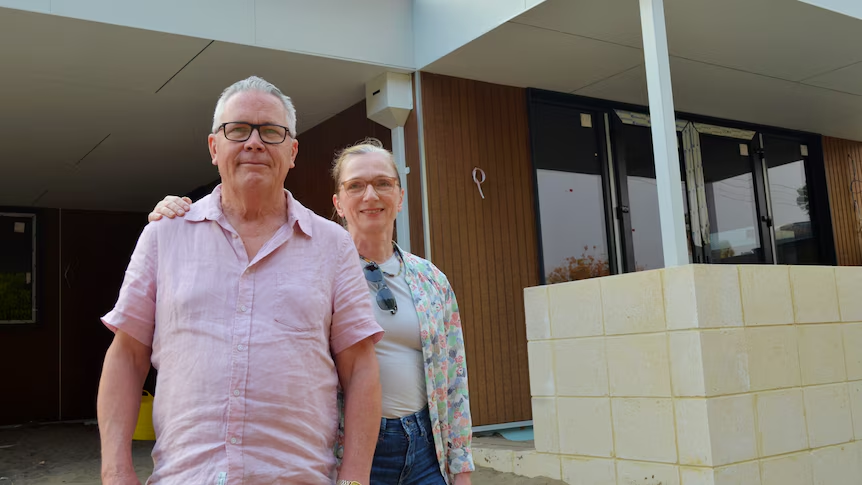
Graham and Anke Hoskins are on track to complete their timber-frame house in nine months. This timeline stands in stark contrast to the average 12 to 18 months required for traditional double-brick homes in Western Australia. The couple’s choice was influenced by extensive research, leading them to believe that a timber-frame design would better suit their needs.
The construction industry in WA is under pressure due to a surge in home builds, with the number of new homes doubling from 11,000 in 2020 to 22,000 in 2025. However, the dominance of brick homes, which account for 68% of detached houses in the state, has created supply chain challenges exacerbated by labor and material shortages. Michael McGowan from the Housing Industry Association (HIA) noted that while brick homes remain prevalent, steel-framed and modular construction methods now account for more than 25% of the market.
Experts highlight that the sandy soil in WA contributes to the popularity of double-brick construction, as it is stable and requires fewer adjustments. Despite the advantages of brick, such as thermal insulation and soundproofing, the lengthy construction period raises concerns about the housing crisis. Professor Alan Duncan emphasized that alternative methods could provide quicker solutions and greater adaptability, especially when components are prefabricated off-site.
While there are valid concerns regarding timber-frame homes, such as susceptibility to termites, Australian building standards mandate termite management systems to safeguard against potential damage. Both Professor Duncan and Mr. McGowan advocate for a broader acceptance of various building methodologies, stressing that each construction type can meet safety regulations and consumer needs effectively. Mr. Hoskins believes that as more people explore timber-frame options, negative perceptions will diminish, paving the way for diverse construction practices in the future.