














Arabic version: العائلة تت reunite مع المحارب في الحرب العالمية الأولى فالنتين هير بعد بحث دام قرنًا
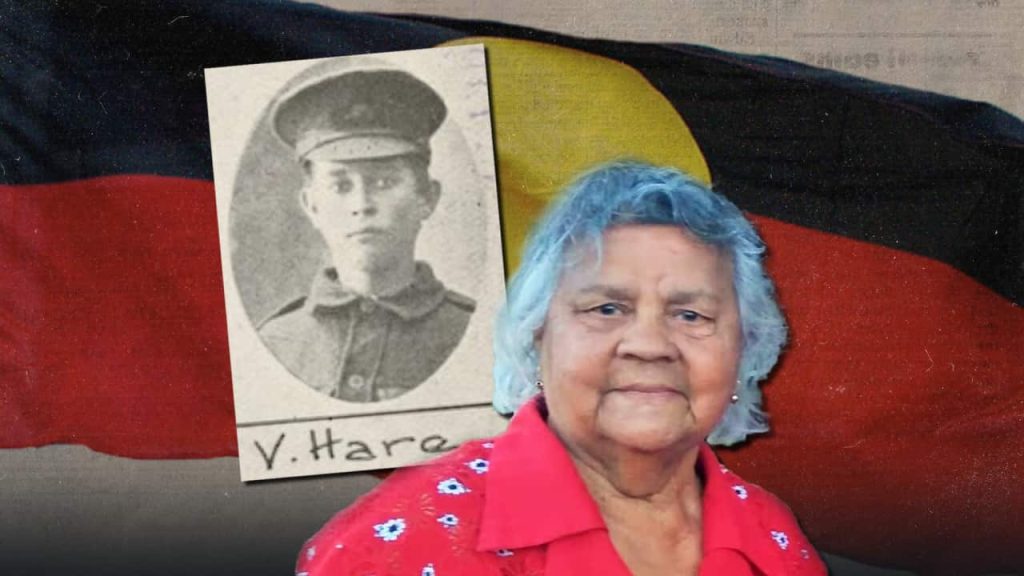
Valentine Hare, an Aboriginal veteran of World War One, was lost to his family for nearly a century due to displacement and government policies that erased his identity. His niece, Nana Iris Glenbar, dedicated 40 years to searching for him, uncovering the history of Indigenous Australians who volunteered for military service despite being denied full citizenship rights.
According to SBS News, the Defence Act at the time restricted Indigenous Australians from enlisting, yet around 1,200 attempted to join the military, with 870 succeeding. Valentine Hare was technically not permitted to join the military as an Indigenous Australian but did it anyway, becoming one of approximately 140 Aboriginal men from Queensland who enlisted, joining the 2nd Light Horse Regiment and serving in the deserts of Palestine and Syria.
Hare faced significant challenges upon returning home after being medically discharged due to a gunshot wound. Despite experiencing a sense of equality during his service, he returned to a society marked by deep inequality. Many veterans like him were viewed as threats to the authority of mission managers because they had experienced life outside segregation.
For decades, the family struggled to find Valentine, whose service records had been altered, complicating their search. A breakthrough occurred in 2015 when Nana Iris’s daughter contributed to a project documenting Indigenous servicemen’s stories. Historians eventually traced Valentine and discovered his previously unmarked grave, leading to the placement of an official plaque by the Department of Veterans Affairs.
This Anzac Day, the Australian War Memorial will host a dedicated Indigenous service, marking a moment of recognition for Nana Iris and her family. The long search has allowed them to embrace Anzac Day in a meaningful way, connecting them to their heritage and the sacrifices made by their ancestors.