
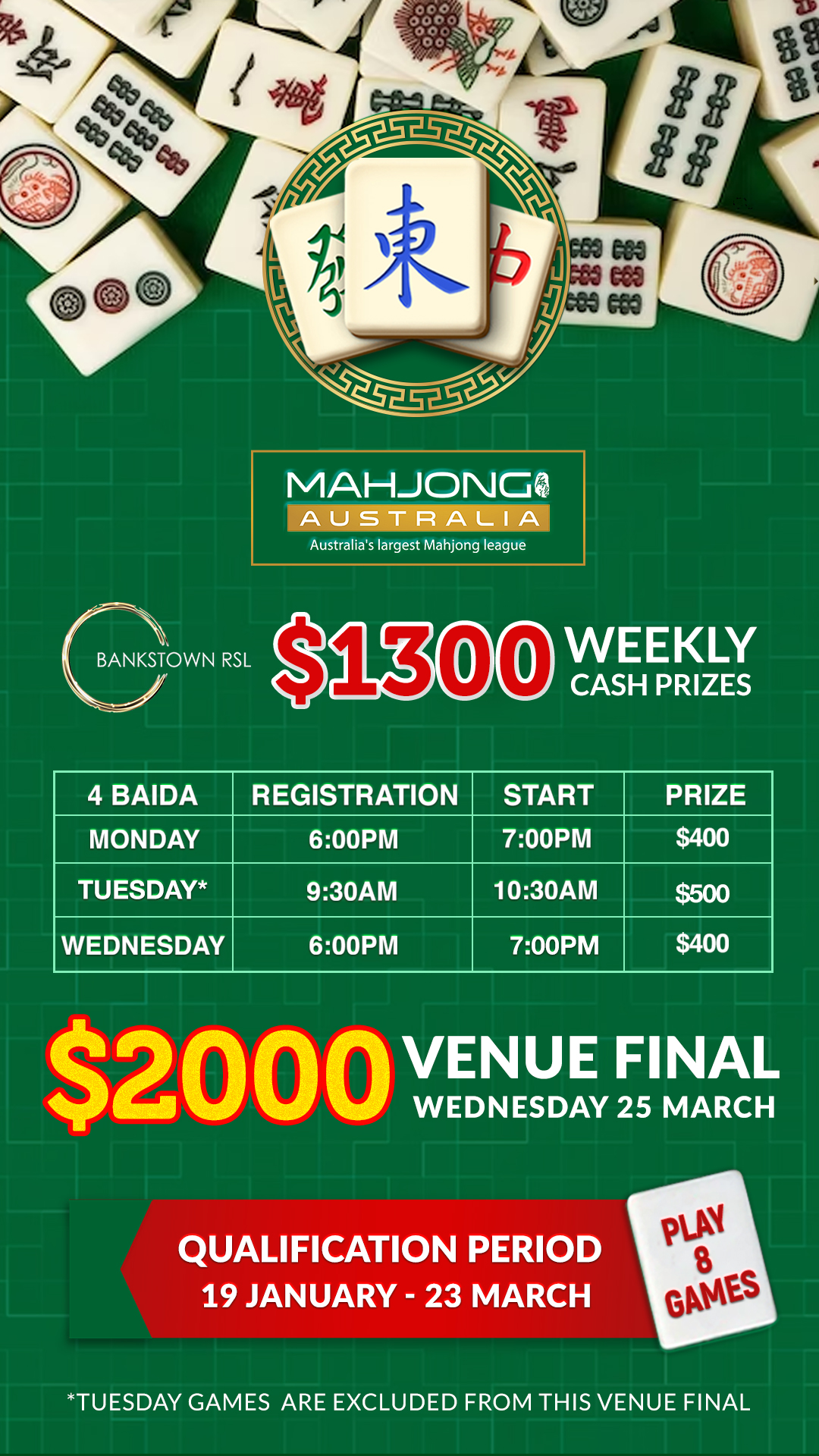
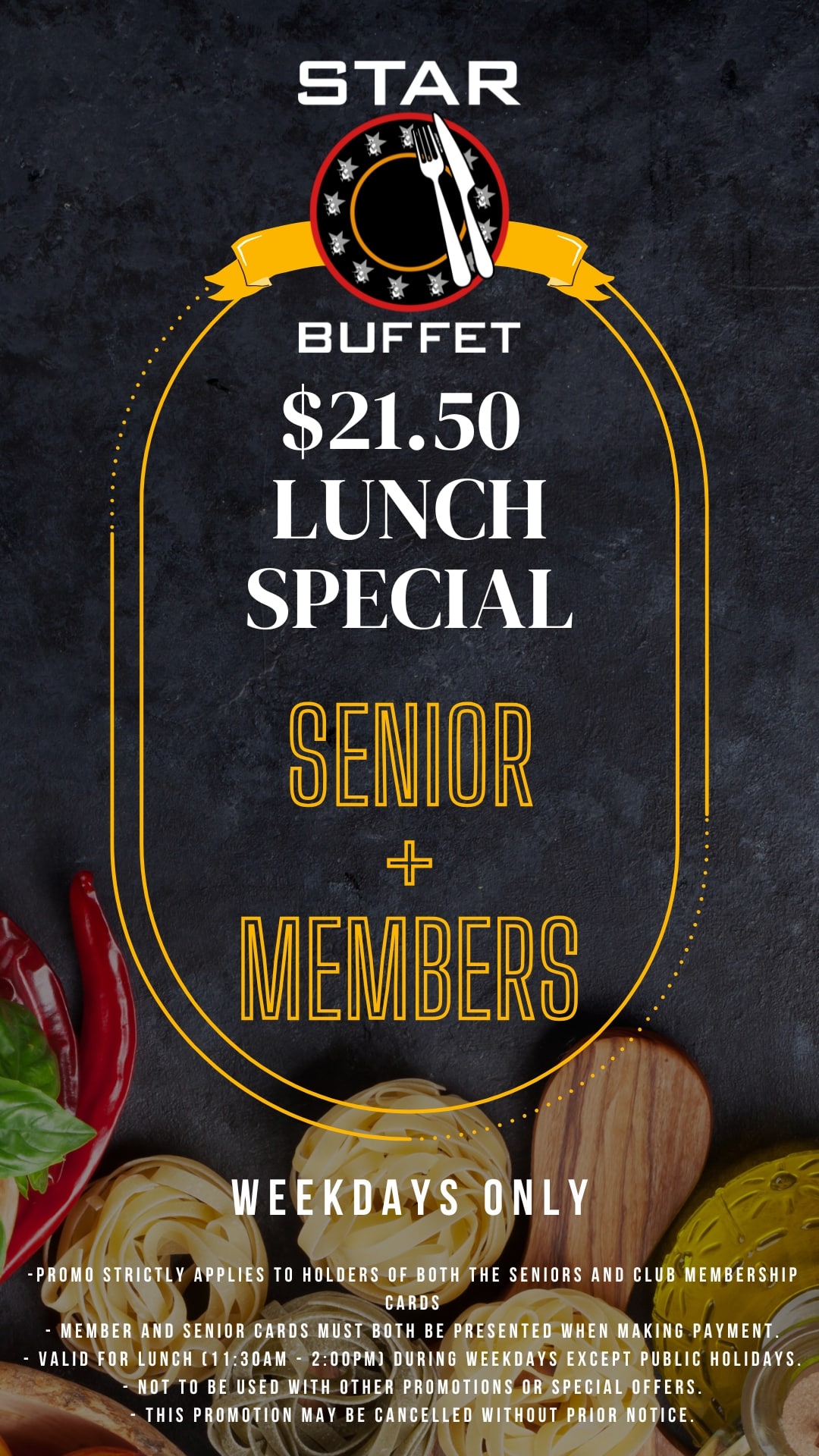







Gambling can be either a recreational or a harmful activity. In Arabic communities, gambling using a poker machine is a foreign concept to most. In the beginning, individuals may be attracted to gambling as a way of socialising and connecting with others in a new country. Gambling can impact Arabic communities on an individual and collective level, where family and friends are affected by the person who gambles.
The person who gambles initially may feel connected to the new country. They may be introduced to gambling by another person who gambles or has knowledge about how to operate the gambling machine. When gambling becomes harmful, the gambler feels overwhelmed and ashamed to discuss the situation with any close family member or friends. They feel like they have failed their family and society. The feeling of shame and guilt can limit their access to seek help. Instead, they think they could manage their losses with a significant win. Therefore, they borrow money from family, friends and sometimes banks.
When family members and friends notice mood changes and unusual behaviours from the gambler, they may think it is a bad day and try to help by giving money or borrowing to assist them. These behaviours come from caring for and supporting one another collectively, though they may lead to further gambling and harm for both the person gambling and themselves. For these reasons, people who try to help the gambler can also ask for help in dealing with a gambler.
Don’t hesitate to get in touch with our free and confidential service for support to stop or reduce gambling and anyone who feels they are affected by gambling.
GambleAware 1800 858 858 or 1800 482 482
Djimi Barber