












Arabic version: مركز أبحاث يقترح ممرات خضراء لتوفير مليار دولار
Taxpayers could save about $1 billion a year in health sector costs if Sydney residents had better access to dense tree canopy, a new report from the Committee for Sydney suggests.
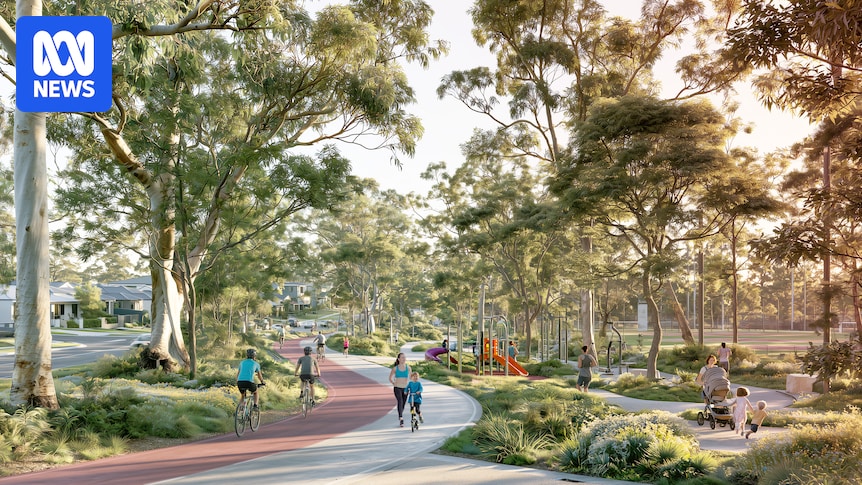
According to ABC News, the Committee for Sydney calls for a network of tree-lined greenways linking the city’s waterways and using council and agency-owned land to plant canopy and create public space. The committee cites a University of Sydney study that found greater access to tree canopy was associated with fewer hospital visits for cardiovascular disease.
The report also highlights uneven tree cover across Greater Sydney: the citywide canopy was 21.7 per cent in 2022, well short of the NSW government target of 40 per cent by 2036. Areas near some Transit Oriented Development (TOD) precincts in the city’s north have more than 30 per cent canopy, while some western suburban train stations have less than 10 per cent. The committee describes integrating canopy with development as “breathable density” and says better-placed trees will be needed as the city grows.
The Committee for Sydney proposes several specific greenway routes, including links from Prospect Reservoir to the Cooks River and a corridor connecting the Parramatta River to the Georges River via Duck River and Salt Pan Creek through suburbs such as Auburn, Yagoona and Bankstown. The report notes these routes often run alongside waterways and water infrastructure and that much of the land is publicly owned, which the committee describes as low-hanging fruit for new planting.
Why this matters: previous committee research found heatwaves have cost Western Sydney $1.4 billion in productivity, health and household cooling costs, and the new report ties increased canopy to potential reductions in health spending and improved public space. The inequitable distribution of existing canopy means where people live affects their access to shade, water and public green space.
The NSW government has begun steps to coordinate green infrastructure: it has established the Blue Green Grid Committee to bring landholder agencies together, transferred 28 hectares along the Duck River Corridor to Cumberland City Council for protected open space, and earlier this year awarded $35.1 million to 131 greening projects across Greater Sydney. What happens next: the newly formed committee of landholder agencies is intended to streamline and plan connected green infrastructure projects across the city.
Related sections: Australia/استراليا | New South Wales | General | Social/إجتماعية | Economy/اقتصاد