Arabic version: دول الخليج تعبر عن قلقها بشأن الهدنة الأمريكية الإيرانية والسيطرة على هرمز
A sigh of relief swept across the Gulf region late on Tuesday after Iran and the United States agreed to a two-week truce, pausing more than five weeks of increasingly violent attacks and inflammatory rhetoric. According to Al Jazeera, the truce was announced just hours after US President Donald Trump had threatened to wipe out an “entire civilization” if Iran did not comply with demands regarding the Strait of Hormuz.
The agreement came just before a deadline imposed by Trump, who stated that the US would cease attacks if maritime traffic resumed in the vital waterway, through which one fifth of the world’s oil and natural liquefied gas passes. Iran had brought traffic through the chokepoint to a near-total standstill in response to joint US-Israeli attacks on its soil since February 28.
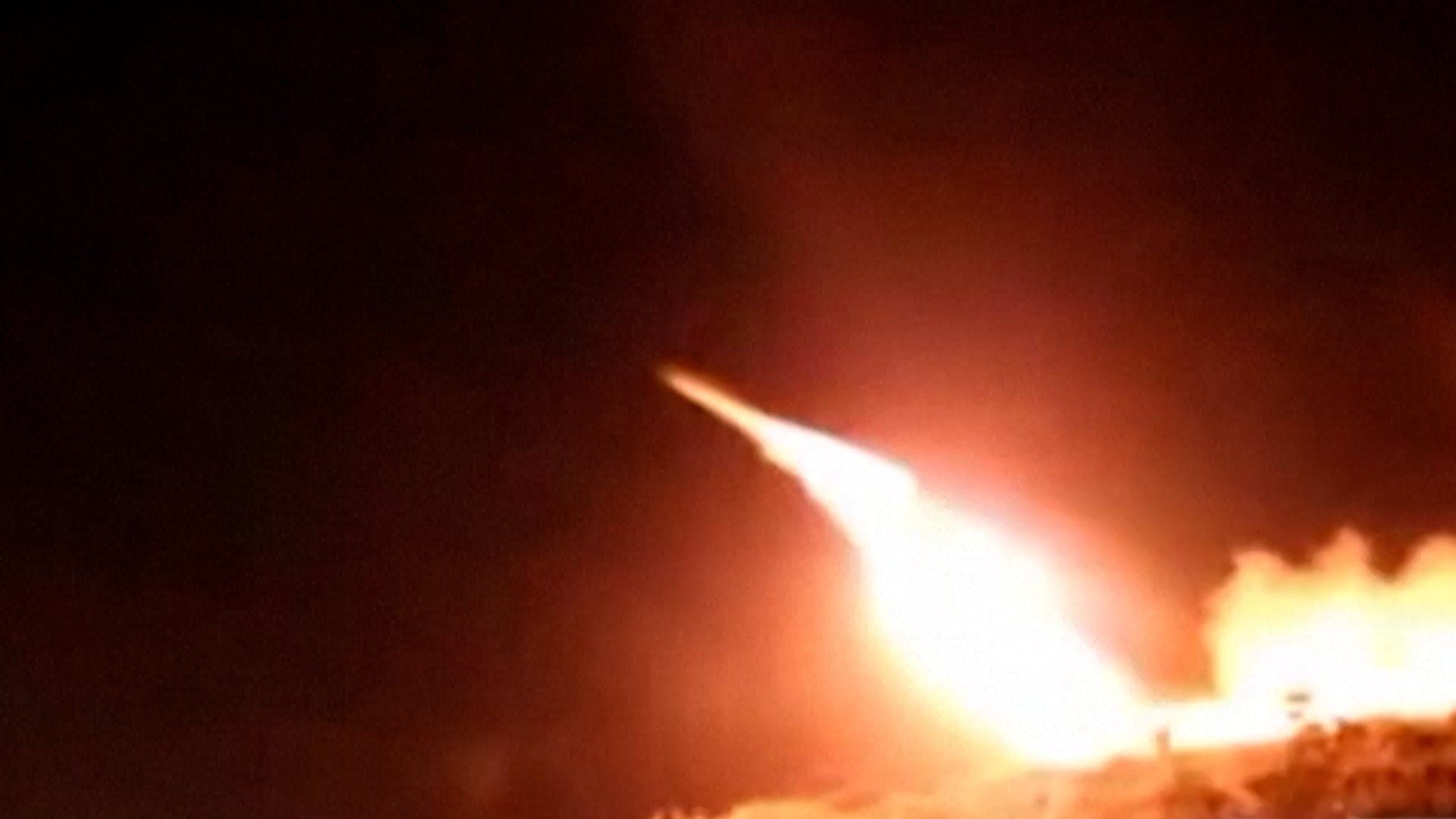
While the truce offers temporary respite, Gulf nations are wary of potential US concessions that might allow Iran to maintain some control over the Strait of Hormuz. Experts express concerns that Trump, seeking a swift political win, may prioritize optics over the strategic realities faced by Gulf states. This unease is compounded by the ongoing threat of Iranian missile and drone attacks, which continued even after the truce was announced.
The Gulf Cooperation Council (GCC) countries have voiced their apprehensions, emphasizing the need for a permanent solution that guarantees the reopening of the Strait of Hormuz. The GCC countries fear that any deal allowing Iranian influence over the strait could lead to long-term economic and security challenges.
In a related development, a Bahrain-sponsored resolution at the UN Security Council calling for defensive missions to secure the maritime chokepoint was vetoed by Russia and China, highlighting the complexities of international diplomacy surrounding the issue. GCC officials maintain that Iran should not interpret their current restraint as weakness and warn that aggression will not go unanswered. Analysts assert that the Gulf states expect their interests to be prioritized in any negotiations with Tehran, as the stakes surrounding the Strait of Hormuz remain high.