












Arabic version: حماس تواجه عدم اليقين بعد اغتيال قائدها الرئيسي
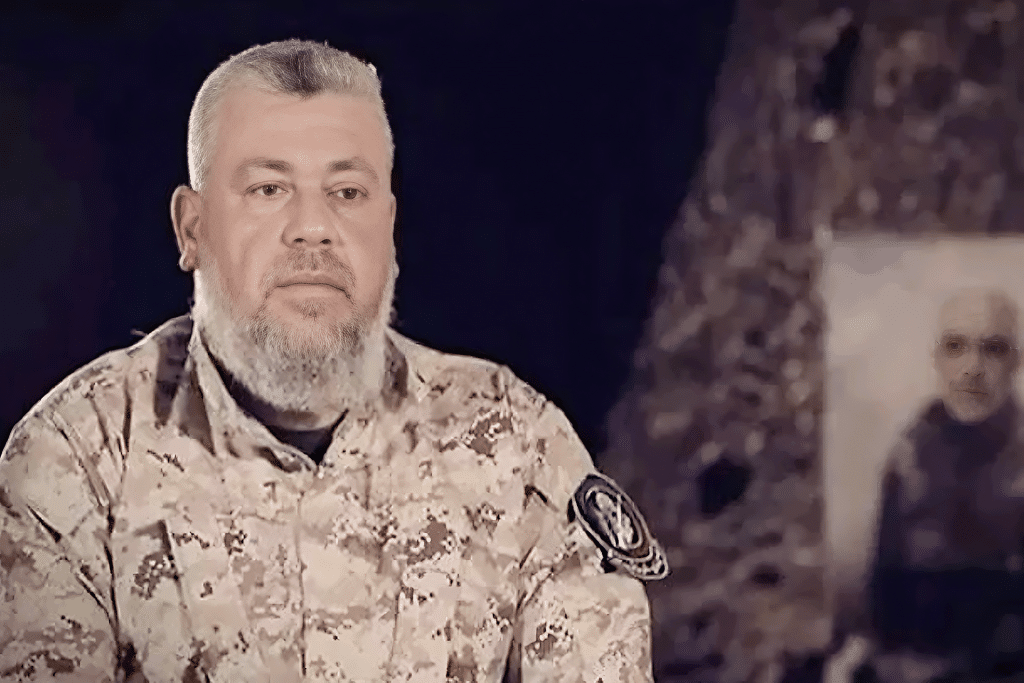
The killing of Izz al-Din al-Haddad, the recently appointed head of Qassam Brigades, the armed wing of Hamas, has raised questions regarding the future of Hamas’s military operations in Gaza. Al-Haddad was killed on Friday in a sophisticated dual-strike on a residential apartment in Gaza City’s Remal neighbourhood and a vehicle attempting to flee the scene, resulting in the deaths of seven other Palestinians, including women and children, and injuries to 50 others. This incident marks a significant moment for the Palestinian group, but analysts suggest that its operational capacity may remain intact.
According to Al Jazeera, while the loss of al-Haddad is a symbolic blow, the Qassam Brigades are structured to absorb such losses. Political analyst Saeed Ziad noted that Hamas operates as a decentralized guerrilla force, with self-sufficient units that can function independently. He emphasized that reorganizing central command will likely take only days, as the group has established protocols for leadership succession.
Al-Haddad’s death comes after a series of targeted killings of other Qassam commanders, leaving him as a key figure in Hamas’s military strategy against Israel. Despite Israeli claims that they are dismantling Hamas’s leadership, analysts argue that the group maintains a deep bench of commanders and a robust succession plan. Hamas confirmed al-Haddad’s death and reiterated its commitment to resistance.
The killing has also sparked concerns about the fragile ceasefire in the region. Israeli officials have touted the operation as a necessary step to weaken Hamas, while critics argue that it undermines the ceasefire agreement. Analysts suggest that these actions may provoke Hamas to retaliate, further escalating the conflict. The ongoing violence has already resulted in significant civilian casualties since the ceasefire was announced on October 10, 2025.
As the situation unfolds, the long-term effects of al-Haddad’s assassination on Hamas’s operations remain uncertain. Historical patterns indicate that such targeted killings often strengthen resolve among armed groups. For the fighters and society in Gaza, the death of leaders like al-Haddad may solidify a commitment to resistance rather than diminish it.