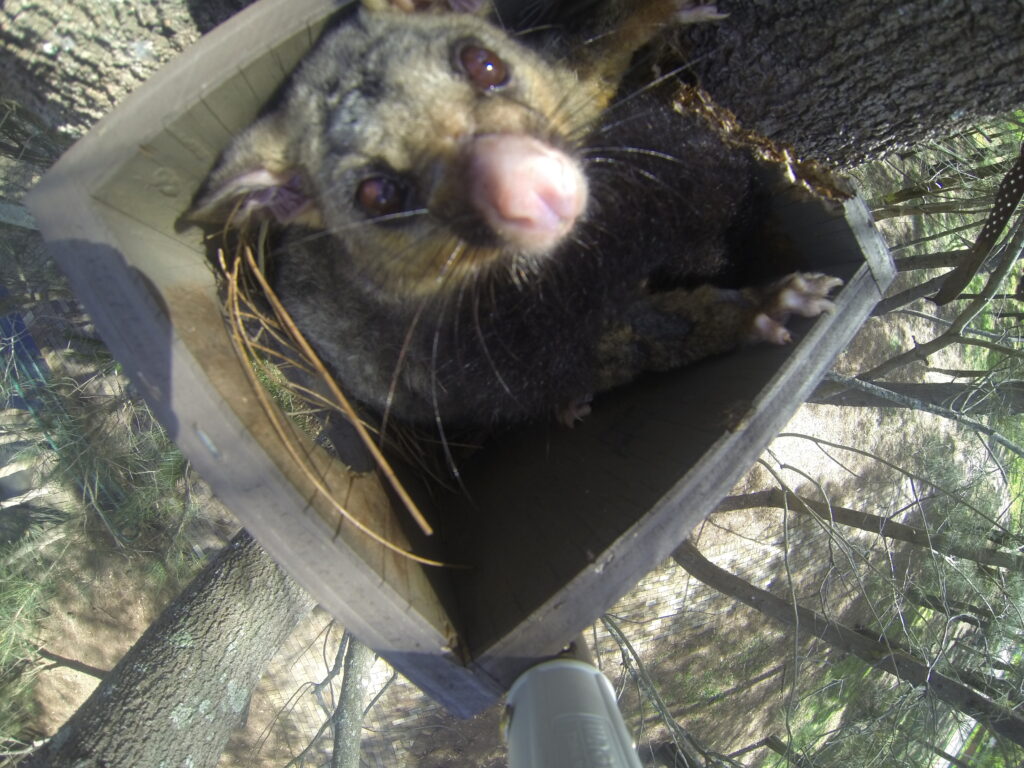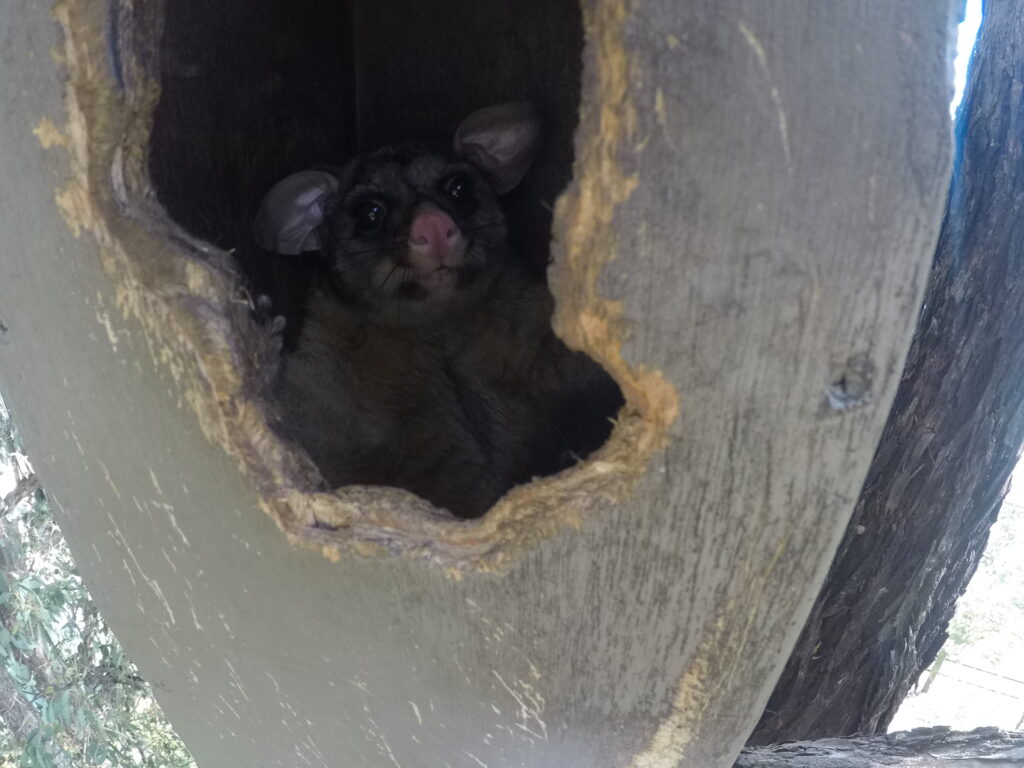













Canterbury-Bankstown is home to many different species of native animals that rely on cosy crevices, like tree hollows, to survive.
Animals, like kookaburras, small parrots, owls, possums, gliders and microbats, can’t create their own nests or sleeping spots. Instead, they rely on hollows (or the humble roof cavity) for their habitat.
Canterbury-Bankstown Mayor Bilal El-Hayek said in an urban environment many of these animals now have to rely on artificial forms of tree hollows.
“Throughout Sydney, mature trees with hollows are scarce, so that’s why we’ve installed hundreds of habitat boxes in our local reserves,” Mayor El-Hayek said.
“Many of our native animals rely on hollows for protection and to breed, so without these artificial homes we’re going to see more of these animals creeping closer to our own houses.”
Since Council’s habitat box program began in 2003, more than 400 boxes have been installed throughout Canterbury-Bankstown.
The majority of these boxes were installed more than 10 years ago and are replaced as they deteriorate. Council aims to replace at least 30 boxes a year.
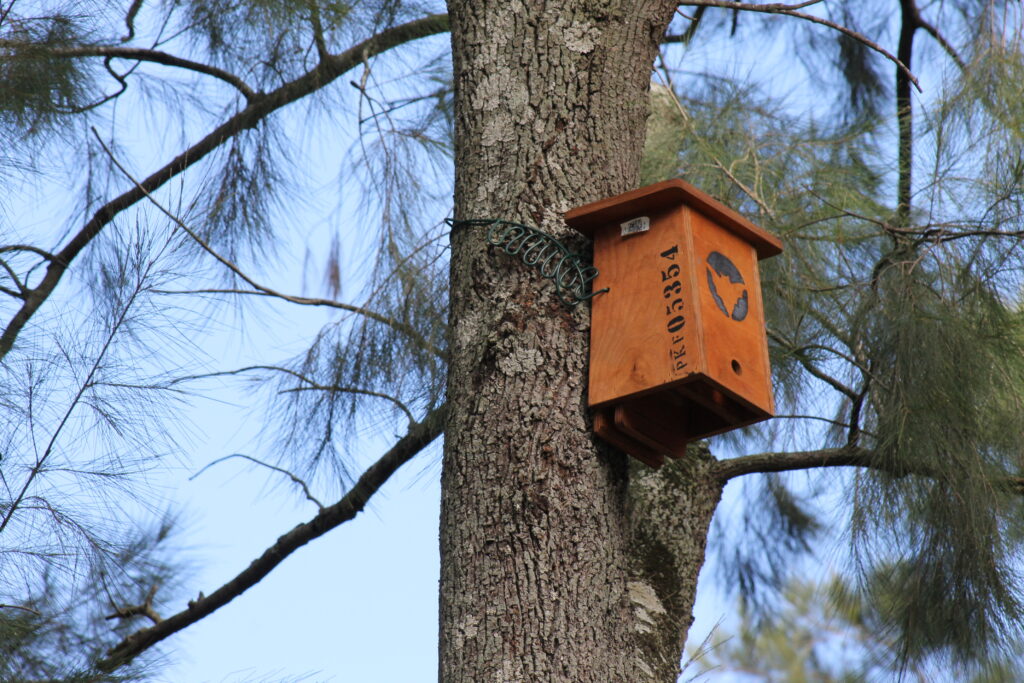
“All boxes have an identification number on the side and are inspected for safety, structural integrity and functionality,” Mayor El-Hayek said. “If you see something interesting using a habitat box, we’d love to know about it!” Residents are encouraged to snap a photo, note the ID number on the side of the box and email [email protected]
To learn more about the program, visit cb.city/habitatboxes