













Arabic version: الحوثيون يشنون هجمات صاروخية على إسرائيل مع تصاعد النزاع
According to Al Jazeera,
Yemen’s Houthis have attacked Israel for the first time, a month after US and Israeli forces began striking Iran, opening up a new front in a rapidly escalating conflict that has killed thousands of people, displaced millions and rattled the global economy. The attacks occurred over the weekend, with the Israeli military reporting that they intercepted the projectiles. The Houthis, aligned with Iran, have vowed to continue their offensive in support of “resistance fronts in Palestine, Lebanon, Iraq, and Iran”.
The Houthis had sat out of the hostilities until now, contrasting their earlier involvement during Israel’s genocidal war on Gaza. Their engagement now raises concerns about potential disruptions to maritime traffic in the Red Sea, particularly through the strategic Bab al-Mandeb Strait. This strait is crucial for global trade, and analysts suggest the Houthis aim to economically impact Israel by targeting its trade routes.
The backdrop of these developments includes ongoing military operations by the US and Israel, which have continued to target Iranian positions. Recent strikes have reportedly resulted in civilian casualties, with Iranian authorities stating that 1,937 people have been killed since the start of the conflict, including 230 children. The Iranian Red Crescent Society has also reported extensive damage to civilian properties, highlighting the war’s toll on non-combatants.
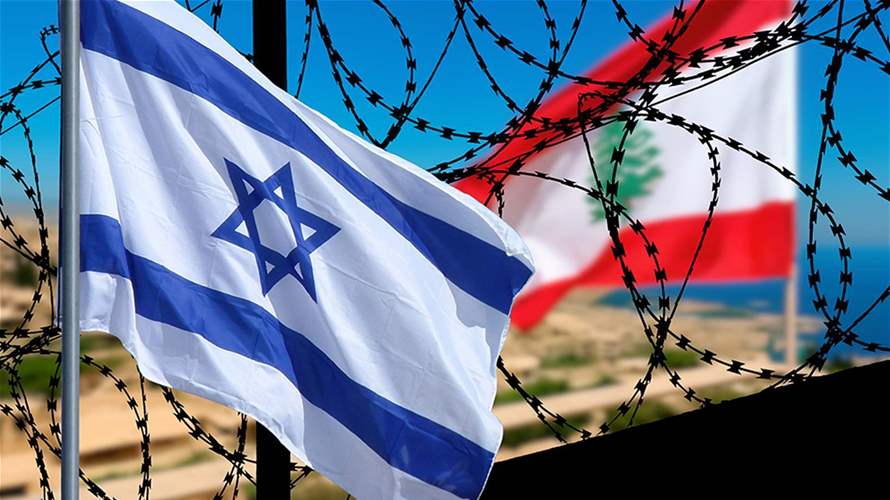
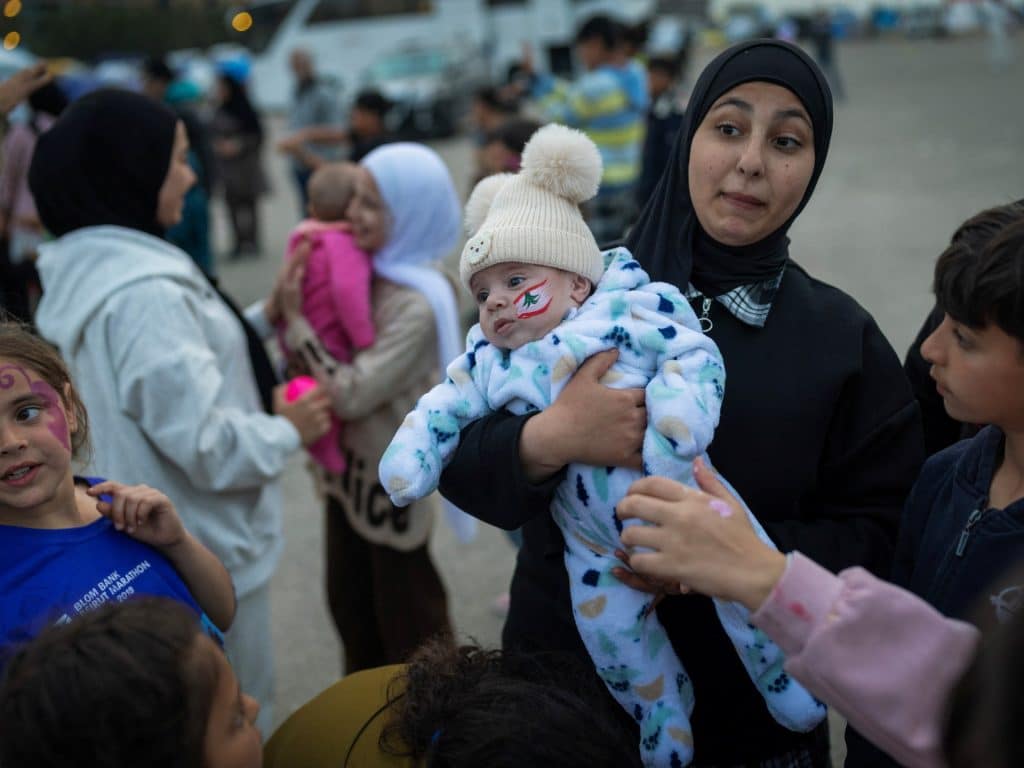
In Lebanon, the situation remains dire as Israeli military actions have resulted in significant casualties, including the deaths of journalists and paramedics. The Lebanese Ministry of Health has reported that 1,189 people have been killed in Israeli attacks since March 2, as Israeli forces push deeper into southern Lebanon with the goal of neutralizing Hezbollah.
As diplomatic efforts to resolve the conflict falter, the potential for further escalation remains high, with both the US and Iran adopting increasingly hardline stances. The international community watches closely as regional tensions continue to rise, with fears of broader implications for stability in the Middle East.