












Arabic version: الوكالة الدولية للطاقة تتوقع انخفاضًا كبيرًا في الطلب العالمي على النفط لعام 2026
The International Energy Agency (IEA) has sharply cut its forecasts for global oil demand, predicting a decrease of 80,000 barrels per day (bpd) this year. This marks a stark contrast to its previous projection of a year-on-year increase of 640,000 bpd. The decline is attributed to disruptions in oil flows caused by the ongoing conflict between the United States and Israel against Iran, which is impacting the global economy. According to Al Jazeera, the IEA’s report highlights that demand destruction is primarily occurring in the Middle East and Asia Pacific, particularly affecting naphtha, LPG, and jet fuel.
The IEA noted that the second quarter of this year could see a significant contraction in oil demand, with a projected drop of 1.5 million bpd, marking the steepest decline since the COVID-19 pandemic. The agency has urged countries to avoid hoarding energy supplies and imposing export controls, which could exacerbate the crisis. IEA chief Fatih Birol emphasized the importance of allowing energy stocks to flow into markets, as several nations have started holding onto their reserves.
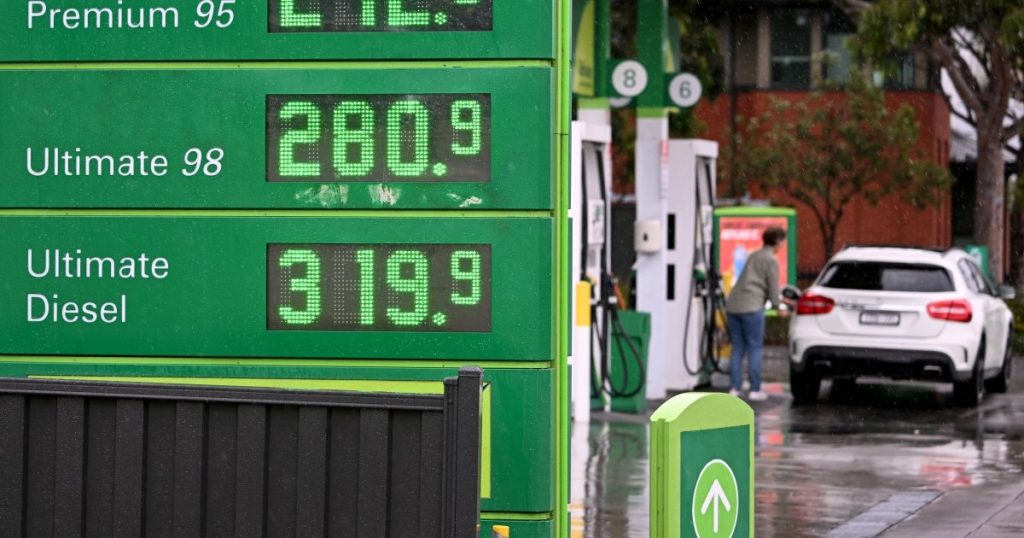
The situation has been further complicated by attacks on energy infrastructure in the Middle East and Iran’s closure of the Strait of Hormuz, a crucial passage for global oil shipments. The IEA reported that March saw the largest oil supply disruption in history, with 10.1 million bpd lost. The closure of the strait has been a direct response to US-Israel attacks, leading to skyrocketing gas and petrol prices worldwide.
In a recent development, US President Donald Trump announced a blockade on Iranian ports after failed peace talks in Islamabad. This blockade aims to disrupt the transit of Iranian tankers, which have continued to operate despite the ongoing conflict. The IEA warned that if the Strait of Hormuz remains closed, global energy markets and economies could face severe disruptions in the coming months.
Additionally, the report indicated that Russia has emerged as a significant beneficiary of the current oil market disruptions. Increased prices have led to a rise in Moscow’s revenues from crude oil and refined products, which are critical for funding military expenditures. Russia’s crude oil exports increased by 270,000 bpd last month, primarily due to heightened seaborne shipments following the shutdown of the Druzhba pipeline, further complicating the global oil supply situation.