













Arabic version: علاجات مبتكرة للسرطان تم الكشف عنها في مؤتمر أمريكي كبير
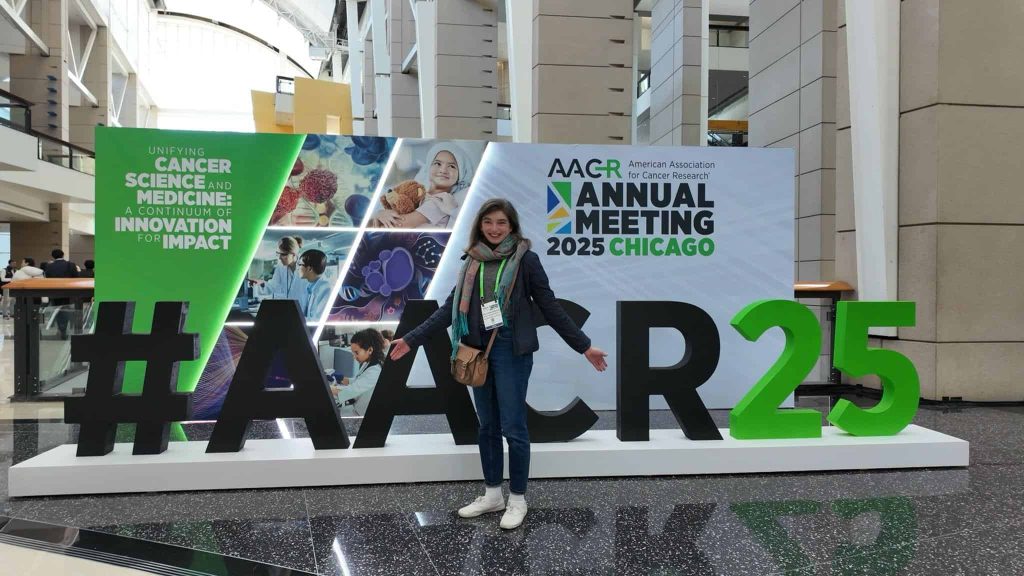
New breakthroughs in cancer treatment were highlighted at the 2026 American Society of Clinical Oncology (Asco) annual meeting in Chicago, attended by 40,000 health professionals. The conference showcased over 200 sessions and 2,700 poster presentations focused on improving cancer outcomes worldwide. According to The Guardian, several promising developments emerged, including a daily pill that could significantly improve survival rates for patients with pancreatic cancer.
One of the standout announcements was a new pill, daraxonrasib, which reportedly doubles survival time for pancreatic cancer patients, extending their lifespan from an average of 6.6 months to 13.2 months. This breakthrough was met with a standing ovation, with experts hailing it as one of the most significant advancements in decades. Dr. Rachna Shroff, the chief of oncology at the University of Arizona Cancer Center, expressed her emotional response to the findings, emphasizing the unprecedented survival rates.
In addition to the new pill, researchers introduced GRWD5769, a smart drug designed to expose cancer cells that have previously evaded treatment. This drug enables the immune system to effectively target and destroy tumors. Clinical trials showed that it led to a significant reduction in tumor size for many patients who had exhausted other treatment options.
The conference also revealed that genomic testing could allow some breast cancer patients to safely skip chemotherapy. A trial involving 4,000 patients demonstrated that those with low genomic scores could be treated effectively with hormone therapy alone, marking a potential shift towards personalized medicine in cancer treatment. Furthermore, a new combination therapy for blood cancer patients showed promise in extending life without disease progression.
While the developments were largely positive, caution was also advised regarding the rising incidence of cancer cases and the challenges in providing adequate treatment options. A major trial of a multi-cancer early detection test did not meet its primary goals, highlighting the ongoing need for research and innovation in the field of oncology.


