













Arabic version: تحقيق يستقصي الظروف المحيطة بوفاة مراهق أسترالي من السكان الأصليين في الرعاية
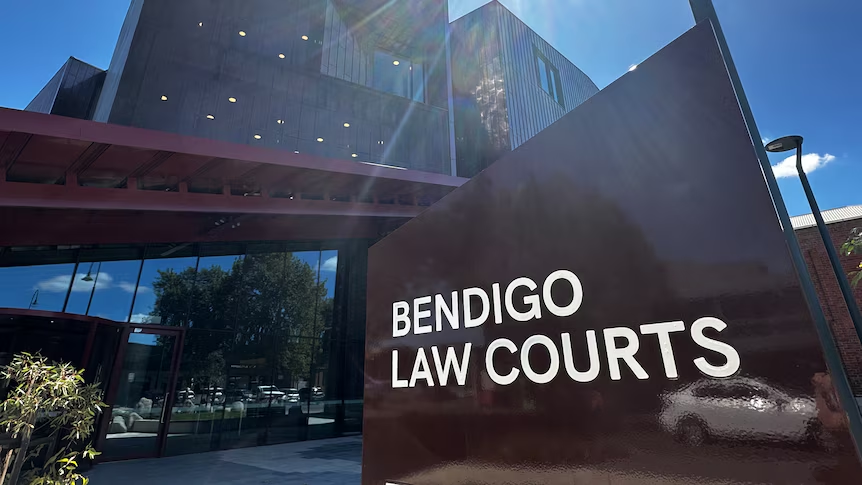
An inquest has commenced to examine the circumstances surrounding the sudden death of a 17-year-old Aboriginal boy, referred to as Mauchy, while in state care. The inquest aims to determine whether his death was preventable. According to ABC News, Deputy State Coroner Naomi Kereru is leading the inquiry, which will hear from ten witnesses over the next eight days.
Mauchy was living in a semi-independent facility at the time of his death. The inquest revealed that concerns had been raised regarding his lack of supervision and drug use prior to his passing. Counsel assisting the coroner, Rebecca Schell, stated that the inquest would investigate whether Mauchy’s transition out of care was “appropriately and accurately managed and supported by the Department for Child Protection (DCP)”, and if options for placing him closer to family were adequately explored.
The inquest also highlighted that Mauchy had previously been on medication for ADHD and other mental health issues but was not prescribed any medication at the time of his death. A post-mortem examination indicated that he died from aspiration of gastric contents, likely linked to the presence of a psychoactive drug known as Flualprazolam in his system. Evidence suggested that Mauchy had consumed what he believed to be Xanax tablets the day before his death.
Witnesses at the inquest expressed serious concerns about Mauchy’s well-being, indicating that he required constant supervision due to his health conditions and vulnerability to drug use. One witness reported having raised alarms multiple times with the DCP regarding Mauchy’s living conditions and the adequacy of care he was receiving. Despite these warnings, the DCP reportedly did not take further action to investigate Mauchy’s situation.
The inquest continues as it seeks to uncover the factors that contributed to the tragic death of the teenager, with a focus on the responsibilities of the child protection system in safeguarding vulnerable youth.