













Arabic version: إيران تواجه تضخمًا قياسيًا مع ارتفاع تكاليف المعيشة
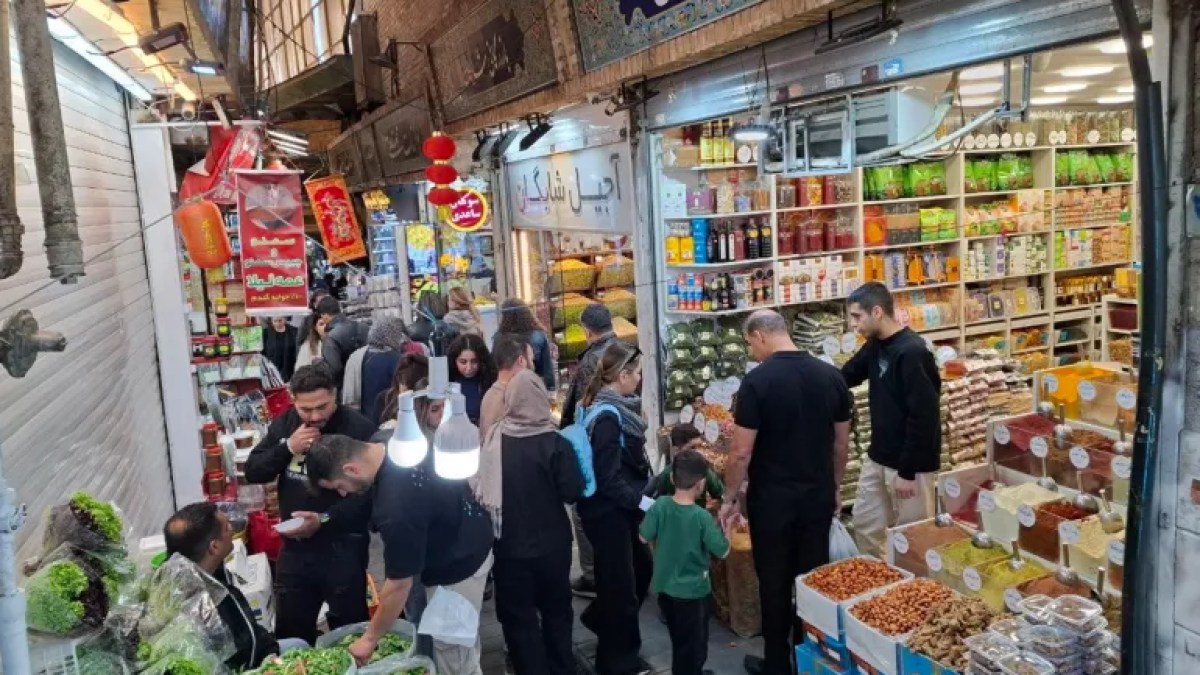
Tehran, Iran – Inflation in Iran has skyrocketed to its highest level since World War II, severely impacting the daily lives of citizens. In the bustling Bastan market of Tehran, shoppers are now navigating a landscape of rising prices that have turned basic commodities into unaffordable luxuries. According to Al Jazeera, the annual inflation rate has reached a staggering 77.2 percent, with some goods experiencing point-to-point inflation as high as 113 percent.
Mashhadi Firouz, a 63-year-old retiree, shared his frustration, noting that the price of essential items has surged dramatically over the past year. A kilo of rice that once cost 1.8 million rials ($1.31) is now over 5 million rials ($3.63), while cooking oil has risen from 700,000 rials ($0.51) to more than 3 million rials ($2.18). Firouz lamented that his pension no longer covers even a third of his household expenses, highlighting the alarming rise in poverty among retirees and fixed-income earners.
Fatima, a 46-year-old housewife, expressed her distress over the situation, stating that red meat has become a dream, and that she has started counting eggs individually to manage her budget. She now visits the market three times a week to scout for lower prices, a reflection of the relentless inflation that disproportionately affects vulnerable families.
The crisis extends beyond individual households, affecting businesses as well. Mehran, a 71-year-old grocery seller, revealed that inflation has severely diminished purchasing power, forcing him to reduce the quantities of goods he offers. He noted that in his 40 years of work, he has never witnessed a recession this severe, highlighting the desperation of shop owners trying to avoid bankruptcy.
Economists attribute this inflation crisis to a combination of factors, including the removal of a preferential currency rate for basic goods, recent protests, and the ongoing US-Israel conflict. Arman Khaleghi, head of Iran’s Chamber of Commerce, described the situation as a “perfect economic storm” that has led to soaring food prices and disrupted market stability. He emphasized the need for urgent measures to address the economic downturn and protect the purchasing power of citizens, who are increasingly facing a dire financial reality.