












Arabic version: إيران تسمح بعبور آمن للسفن غير المعادية عبر هرمز
Iran has said that ‘non-hostile’ ships may transit the Strait of Hormuz as maritime traffic through the critical waterway has significantly declined, contributing to a major global energy crisis. In a statement released on Tuesday, Iran’s mission to the United Nations emphasized that vessels may avail of ‘safe passage’ provided they do not participate in or support acts of aggression against Iran and fully comply with the declared safety and security regulations.
According to Al Jazeera, the statement indicated that ships would be allowed to transit the strait ‘in coordination with the competent Iranian authorities.’ This follows a similar communication to the International Maritime Organization (IMO), the UN body responsible for the safety and security of international shipping.
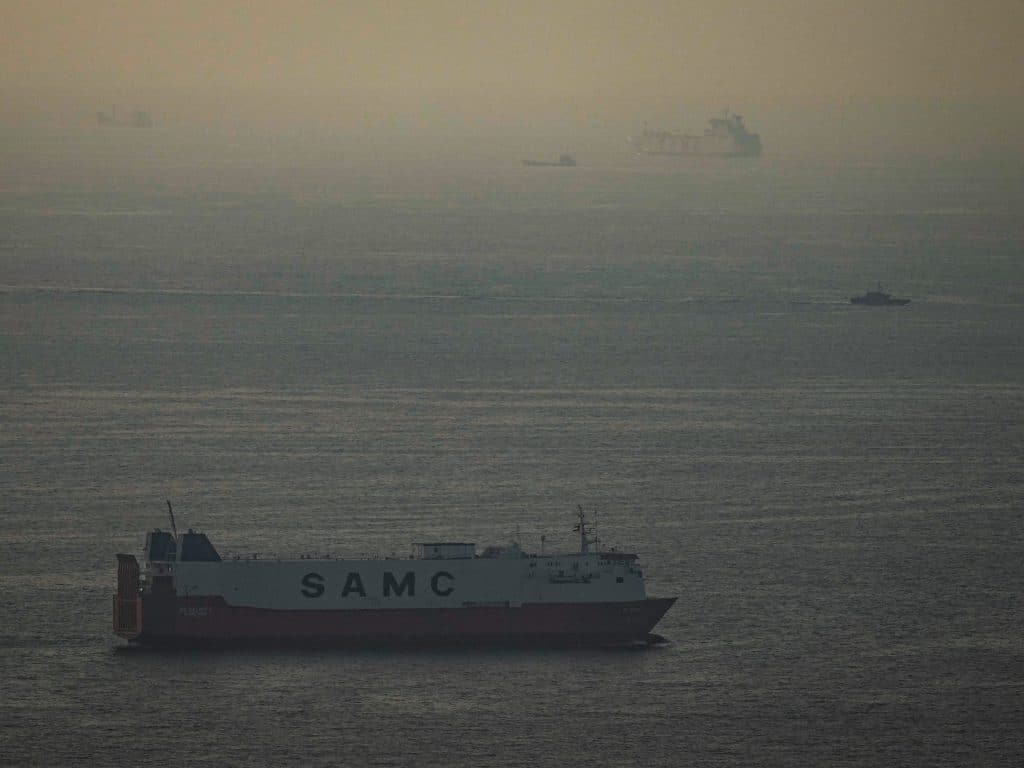
While a small number of vessels are currently passing through the strait, daily transits remain drastically lower than average. Before the onset of conflict initiated by the US and Israel on February 28, approximately 120 vessels transited the strait each day. Recent reports indicated only five ships were tracked on Monday, highlighting the severe impact of the ongoing situation.
Iran’s declaration comes as global energy prices fluctuate, with some analysts predicting oil prices could rise to $150 or even $200 per barrel if the strait remains effectively closed. The announcement coincided with reports of potential negotiations to end the US-Israel war on Iran, which have raised hopes in global markets, leading to a rise in stock indexes across Asia.
Despite earlier warnings from Iran regarding potential attacks on ships attempting passage, officials have recently insisted that the waterway remains open to non-hostile vessels. The evolving situation continues to attract international attention as shipping dynamics in the strait are closely tied to global oil supply and pricing.