













Arabic version: ضربات صواريخ إيرانية تصيب أكثر من 160 بالقرب من منشأة نووية إسرائيلية
More than 160 people have been injured – some seriously – in Iranian missile strikes on two southern Israeli towns close to a nuclear facility, according to BBC News. Israeli emergency officials reported that 84 individuals are receiving treatment in Arad, while another 78 are being cared for in Dimona after the ballistic missiles struck on Saturday evening.
The International Atomic Energy Agency (IAEA) confirmed that it is not aware of any damage to the nuclear research facility located about 13 kilometers (eight miles) outside Dimona. Iranian state television claimed the strikes were a response to an attack on Iran’s Natanz nuclear facility that occurred on the same day.
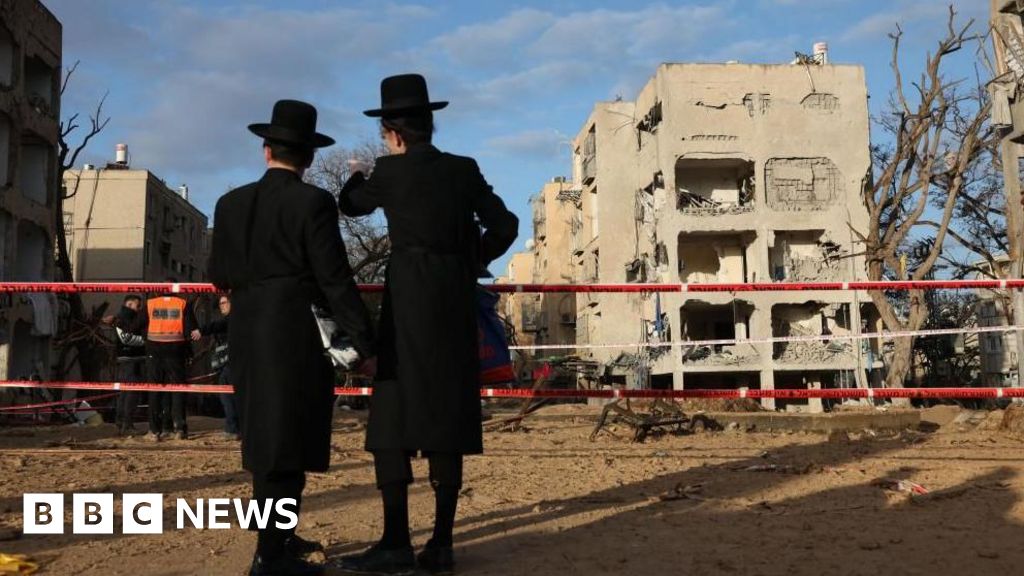
Israeli officials noted that the Iranian missiles penetrated the nation’s advanced air defense systems, resulting in direct hits on buildings in both towns. In Arad, local residents described the blasts as terrifying, with significant damage to several structures, including a deep crater left by a missile. Emergency medical technician Yakir Talkar described the scene as very severe, with many individuals suffering from varying degrees of injury.
The missile strike in Dimona also resulted in injuries, including a serious condition reported for a 10-year-old boy. Israeli authorities are now investigating how the missiles bypassed air defense systems, as interceptors were launched but failed to neutralize the threats.
The Shimon Peres Negev Nuclear Research Center, often referred to as the “Dimona reactor,” is believed to house Israel’s undeclared nuclear arsenal. While officially focused on research, it has been widely accepted that Israel has developed nuclear weapons there for decades. The targeting of this site is taken very seriously by Israeli officials, particularly given the ongoing conflict with Iran, which has been marked by escalation since the war began on 28 February.