














Arabic version: وزير الخارجية الإيراني يشارك في محادثات رئيسية مع بوتين في موسكو
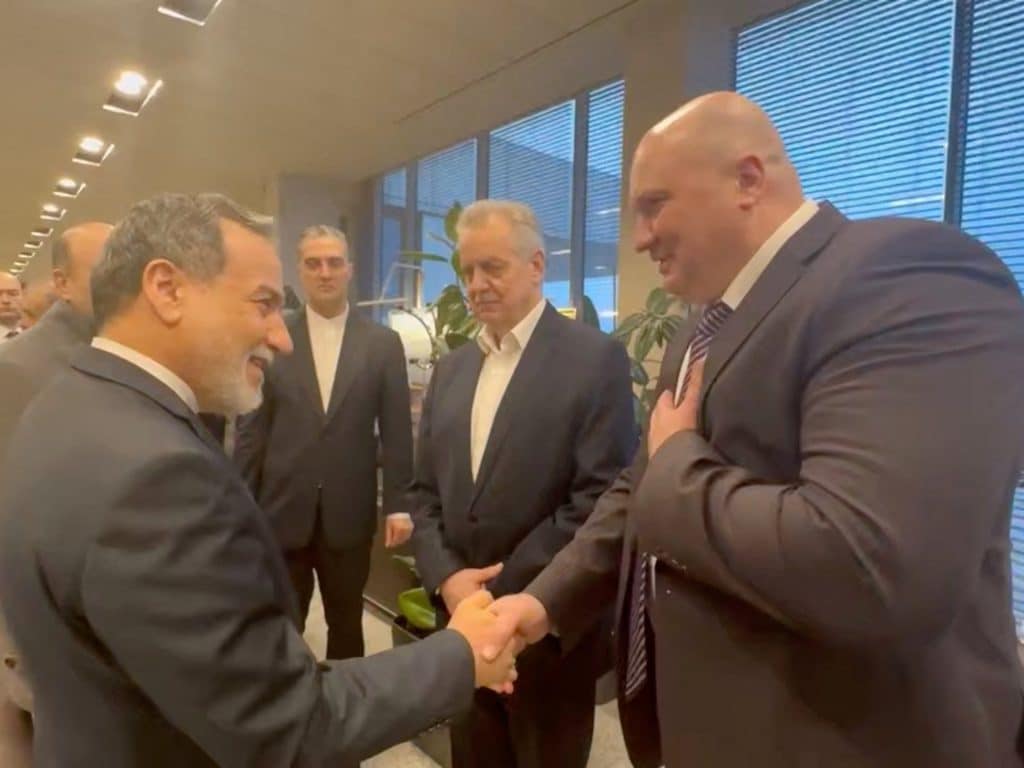
Iranian Foreign Minister Abbas Araghchi has arrived in Russia for talks with President Vladimir Putin, as part of efforts to end the United States-Israel war on Iran. Upon his arrival on Monday, Araghchi told Iranian media that he had travelled to Russia “with the aim of continuing close consultations between Tehran and Moscow on regional and international issues.”
According to Al Jazeera, Araghchi expressed optimism about the meeting with Putin, stating it would provide a valuable opportunity to review the latest developments in the war. He conveyed confidence that the consultations would be crucial for both nations.
This visit follows an earlier meeting in Muscat with Omani officials, as Iran seeks to rally regional and international support for renewed negotiations. A temporary ceasefire between Washington and Tehran was established on April 8, following intense fighting that began with US and Israeli attacks on Iran. However, the ceasefire has faced challenges due to disputes over shipping in the Strait of Hormuz and ongoing blockades on Iranian ports.
Al Jazeera’s reporting indicates that Russia is anticipated to play a significant role in the next phase of the conflict, with Araghchi’s visit likely focusing on both diplomatic settlement scenarios and potential confrontations. Iranian President Masoud Pezeshkian has reiterated that Tehran will not engage in negotiations while the blockade remains in effect.
The United States Central Command reported ongoing implementation of the blockade, which has resulted in American forces directing 38 ships to turn around or return to port from Iranian waters. Amidst these tensions, President Trump noted that Iran had made offers, but not sufficient enough for the US to resume talks.
As diplomatic efforts continue, Iranian officials remain hopeful for a framework that could lead to an agreement involving not only Iran and the US but also Gulf countries, signaling a potential shift in regional dynamics.