












Arabic version: استراتيجية إيران التفاوضية تتغير في ظل الصراع المستمر
United States President Donald Trump has stated that Washington is engaged in “productive” talks with Iran, although Iranian officials have dismissed these claims as misinformation aimed at stabilizing oil prices. According to Al Jazeera, indirect communication channels have emerged between American and Iranian officials, facilitated by Egypt, Turkiye, and Pakistan.
Despite this potential opening for diplomacy, experts remain skeptical about the likelihood of a ceasefire, as the positions of the involved parties are reportedly far apart. Since the onset of the war on February 28, which resulted in the death of Iran’s then Supreme Leader Ayatollah Ali Khamenei, the Iranian leadership’s demands for concessions have intensified. The US and Israel claim their continued attacks have severely diminished Iran’s military capabilities, yet Iran has demonstrated its ability to strike with precision.
The Strait of Hormuz, a critical maritime route for global oil exports, remains congested, with numerous vessels unable to transit. Iran has adopted a retaliatory approach, responding to attacks with military action, including recent strikes on Qatar’s gas facilities and Israeli cities, which have resulted in significant casualties.
Iran’s leadership is now focusing on achieving a post-war order that not only ensures deterrence but also secures economic and security guarantees. They are demanding payment repatriations, assurances against future attacks, and a new regulatory framework for the Strait of Hormuz. Analysts suggest that Iran is unlikely to relinquish its strategic leverage without substantial concessions from the US.
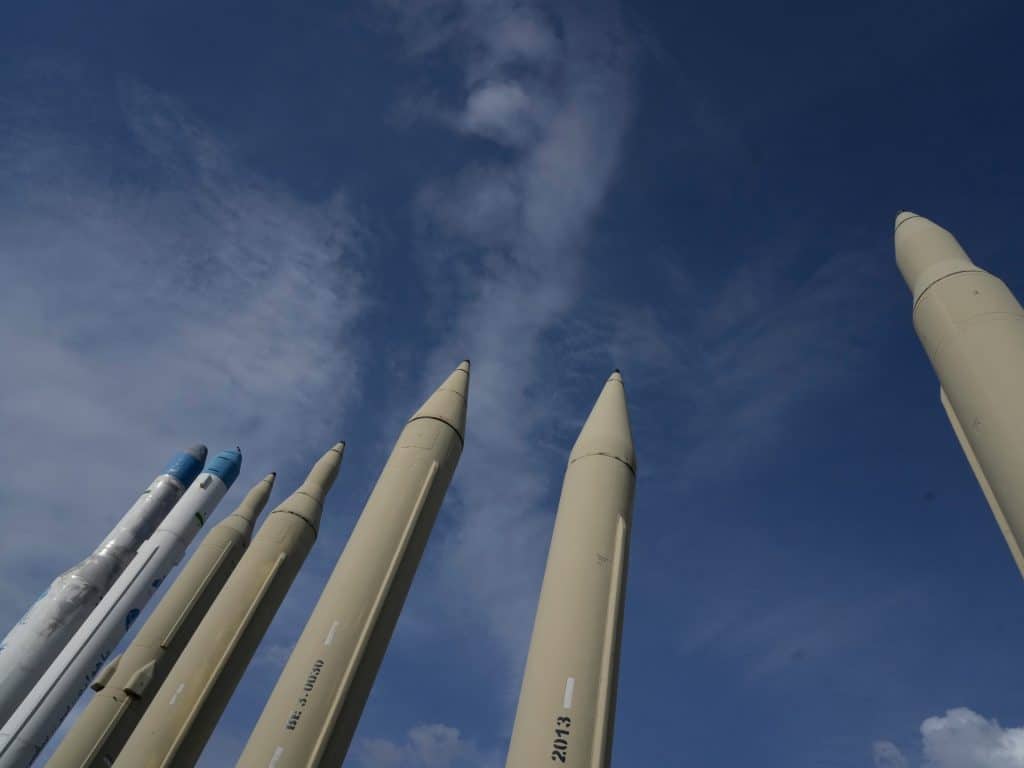
On the US side, Trump has reiterated the goal of preventing Iran from developing a nuclear bomb, despite claims that the nuclear program has been dismantled. He has also indicated a willingness to adjust demands regarding Iran’s missile arsenal. However, trust remains a significant barrier to negotiations, especially given the history of US military actions during diplomatic discussions.
Recent appointments within Iran’s political structure indicate a shift towards a more confrontational stance, with experts warning that this could complicate any potential negotiations. The ongoing military buildup in the region, including the deployment of thousands of US Marines, raises questions about the future trajectory of US-Iran relations and the stability of the region.