












Arabic version: رئيس إيران يعتذر للجيران، ويعد بعدم حدوث هجمات أخرى
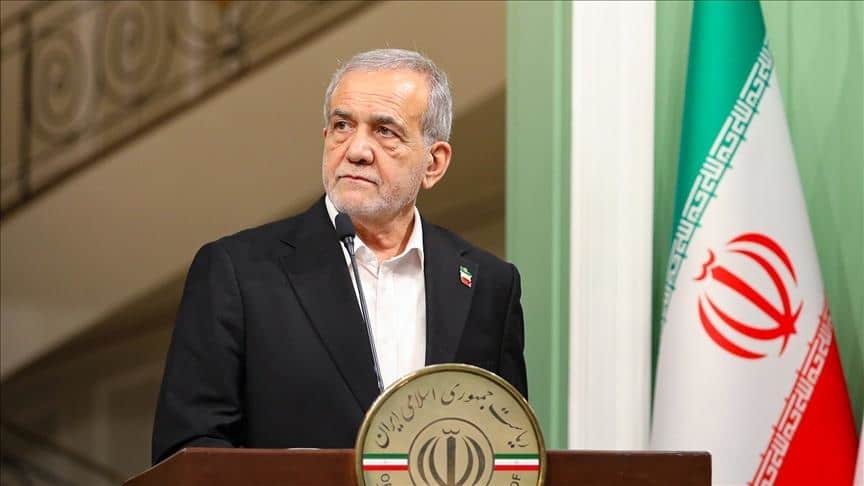
Iran’s President Masoud Pezeshkian has announced a significant shift in the country’s military strategy, stating that Iran will no longer attack Gulf and neighboring states unless they initiate aggression against Iran. This declaration comes under intense diplomatic pressure on Iran to reconsider its approach, as the ongoing conflict risks alienating regional allies and uniting the Arab world against Tehran. According to The Guardian, Pezeshkian’s comments may reflect an internal debate within Iran’s leadership regarding the future of its military engagements.
While the president’s statement appears to indicate a willingness to de-escalate tensions, an Iranian armed forces spokesperson has qualified this position, asserting that strikes against U.S. and Israeli targets will continue. This suggests a nuanced interpretation of Pezeshkian’s announcement, implying that attacks may still occur if U.S. bases in the region are utilized against Iran.
The Iranian president’s apology to neighboring countries marks a notable attempt to align with international law, particularly as Iran faces scrutiny over its military actions in the region. Some experts argue that while Iran’s attacks on U.S. bases could be justified as self-defense, broader strikes on Gulf infrastructure would not hold the same legal standing.
This shift in rhetoric may also be influenced by pressure from Gulf states, including Oman, Turkey, and Qatar, which have expressed concerns regarding Iran’s aggressive military posture. As the situation evolves, the implications of Pezeshkian’s announcement will be closely monitored both within Iran and by international observers.
In related developments, clashes have erupted between Hezbollah and Israeli troops in Lebanon’s Bekaa Valley, resulting in at least 26 fatalities, including three Lebanese soldiers. The Israeli military confirmed targeting Hezbollah positions in the region, while reports indicate that an Israeli commando unit was deployed to confront local armed fighters during the skirmish.