












Arabic version: سوق الأسهم الإيرانية يستعد لإعادة الفتح بعد إغلاق دام 80 يومًا
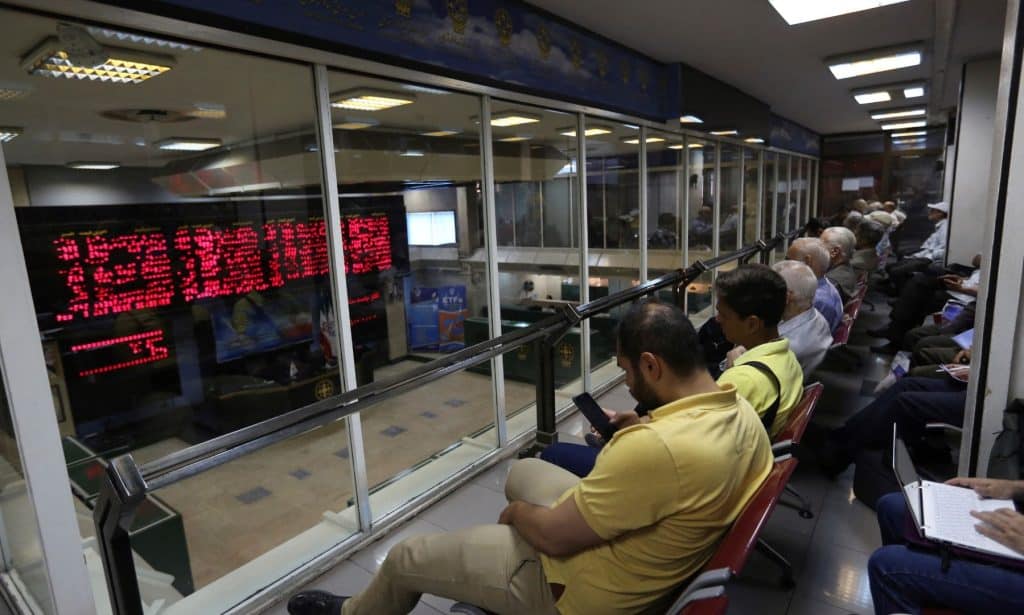
The Iranian stock market is due to reopen this week after an 80-day closure due to the war with the United States and Israel. While the exchange is not the core engine of economic financing in sanctions-hit Iran, the reopening could offer an insight into the state of the country’s economy and allow authorities to gauge investor trust and market liquidity.
Shares, equity funds and equity-linked derivatives will resume trading on Tuesday and Wednesday, before heading into the Iranian weekend. Operations will be extended by one hour to provide a bigger window to the top firms that will be disclosing important information after sustaining damages during the war, as well as those that held shareholder meetings during the stoppage. The stock market, isolated from global indexes as a result of Western sanctions, had remained shut since February 28, when the US and Israel launched missile attacks on Tehran and other parts of the country.
According to Al Jazeera, the Securities and Exchange Organization (SEO) deputy Hamid Yari stated that the move was aimed at “protecting investors’ assets, preventing emotional behaviours, and creating conditions for trade in the market with more accurate and transparent information”. While the closure may have initially prevented disorderly panic selling, it also trapped portfolios, accumulated pressure on anxious investors to sell, and created a growing credibility problem for the capital market.
TEDPIX, the main index of the Tehran Stock Exchange, had reached an all-time high of nearly 4.5 million points at the start of 2026, but it plummeted after thousands were killed during nationwide protests that peaked on January 8 and 9, followed by a 20-day state-imposed internet shutdown. Growing expectations of war with the US and Israel then further spooked investors, with money flowing out and TEDPIX standing at nearly 3.7 million points at the last pre-closure market snapshot.
The economic situation in Iran remains precarious, exacerbated by inflation and US-imposed sanctions. The Central Bank frequently prints money to address budgetary needs, further driving inflation. The damage from the war, including extensive bombing of economic infrastructure, raises questions about how much information companies can disclose regarding their losses, given the ongoing security risks.