













Arabic version: إسرائيل تشن غارات جوية في جنوب لبنان بعد تمديد الهدنة
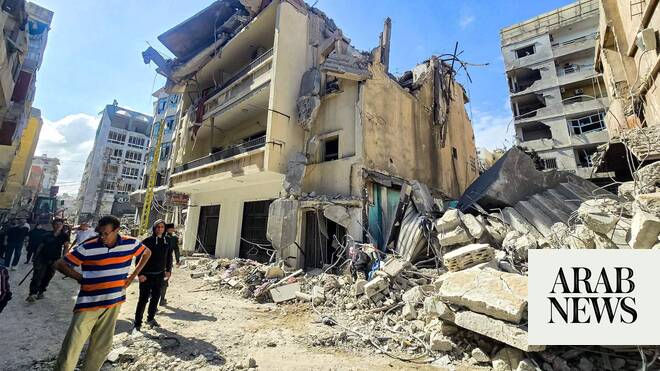
Israel launched a series of airstrikes on southern Lebanon on Saturday, despite the extension of the truce between the two countries. Israel says it is targeting Hezbollah but the strikes were preceded by an evacuation warning covering nine villages. According to Arab News, the National News Agency of Lebanon reported strikes on at least five villages, including one more than 50 kilometers from the border.
The renewed airstrikes have intensified skepticism about the ceasefire among many displaced Lebanese citizens. Following the attacks, there was a noticeable exodus of residents toward the southern city of Sidon and the capital, Beirut. Despite the ceasefire, which was initially agreed upon on April 17 and extended for an additional 45 days, Israel has consistently issued evacuation warnings and conducted strikes in areas beyond the originally designated zones.
Since the start of the ceasefire, Israeli airstrikes have reportedly resulted in the deaths of more than 2,900 individuals in Lebanon, including more than 400 since the truce took effect. In contrast, Israel has reported the loss of 19 soldiers in southern Lebanon due to ongoing conflicts with Hezbollah.
The recent military actions follow negotiations held in Washington between Israeli and Lebanese envoys, which aimed to address the ongoing hostilities. While Lebanon’s delegation welcomed the ceasefire extension, they emphasized the need for effective implementation to ensure the safety of their citizens. Many displaced individuals expressed frustration over the continued violence, questioning the legitimacy of the ceasefire as long as Israeli attacks persist.
The situation remains tense, with Hezbollah claiming responsibility for attacks against Israeli forces in retaliation for what they allege are violations of the ceasefire. The ongoing conflict has exacerbated the humanitarian crisis in southern Lebanon, leaving many residents in dire conditions and leading to calls for a more stable resolution to the violence.