














Arabic version: القصف الإسرائيلي يعمق الانقسامات في مجتمعات لبنان
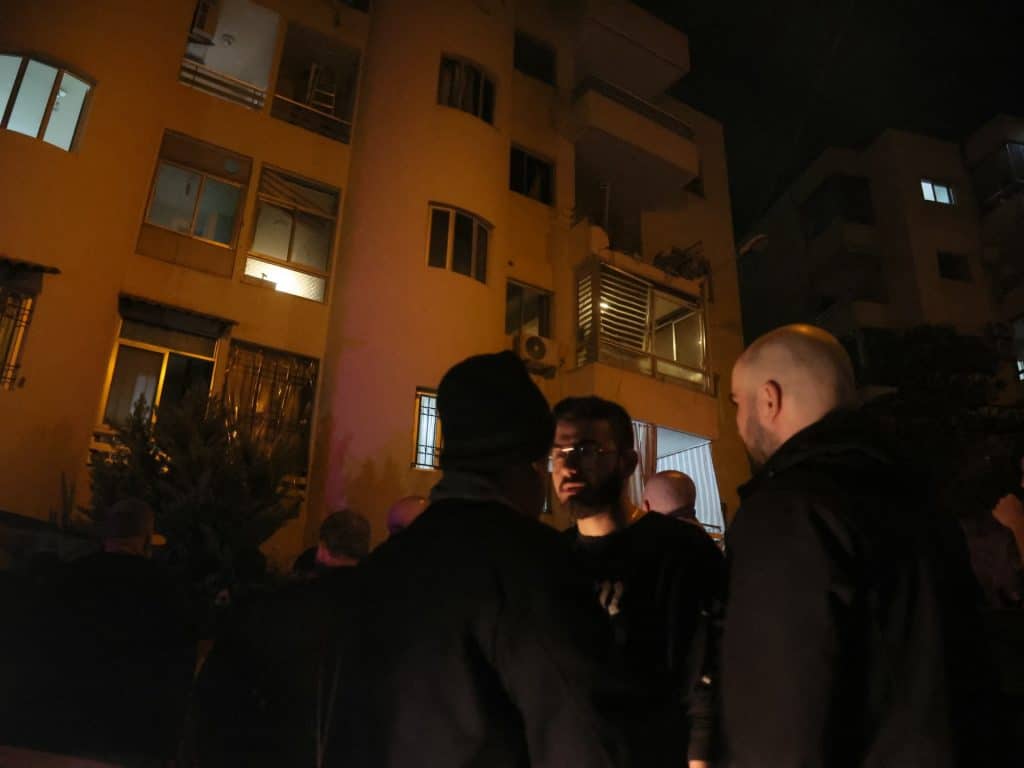
On April 5, a devastating Israeli attack in Ain Saadeh, a predominantly Christian area east of Beirut, resulted in the deaths of three individuals, including a member of the anti-Hezbollah Lebanese Forces party. The bombing, which involved US-made GBU-39 bombs, has heightened tensions within Lebanese society, already fractured by ongoing violence.
According to Al Jazeera, this incident is part of a broader pattern of Israeli strikes that have claimed approximately 1,500 lives in Lebanon since October 2023, displacing over 1.2 million people. The attacks have primarily affected the Shia Muslim community, but the recent bombing has also raised concerns among Christians and other groups.
The increasing violence has led to a growing divide in public opinion regarding the responsibility for the attacks. Some blame Israel for its relentless military actions, while others hold Hezbollah accountable for provoking Israeli aggression. This division is exacerbated by reports of discrimination against displaced individuals, regardless of their political affiliations.
Local expert Michael Young noted that the Israeli strategy appears aimed at creating rifts between various Lebanese communities, particularly targeting the Shia population. As the conflict escalates, the psychological impact on residents is profound, with many expressing fear and uncertainty about their safety.
In response to the violence, calls for increased security measures, including checkpoints, have emerged among local leaders and residents. The situation remains precarious, with civilians caught in the crossfire and a palpable sense of dread permeating affected areas.