












Arabic version: قادة المعارضة الإسرائيلية يحددون السياسة الخارجية في مؤتمر هرتسليا
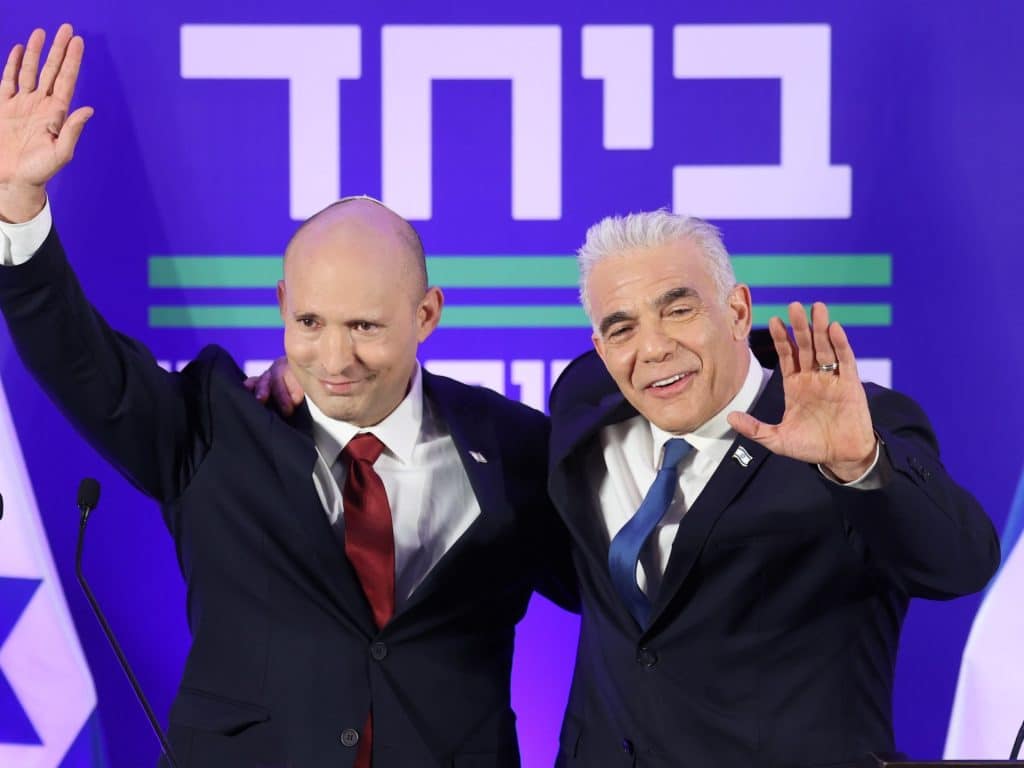
Leading figures from the Israeli opposition recently convened at the Herzliya Conference to present their policy agendas. However, analysts observed that their foreign policy positions closely mirror those of Prime Minister Benjamin Netanyahu’s far-right coalition. None of the three main opposition figures—former military Chief of Staff Gadi Eisenkot, Yair Lapid, and Naftali Bennett—offered significant criticism of Israel’s recent military campaigns in Gaza, Lebanon, and Iran. Instead, they focused on critiquing Netanyahu’s leadership style and what they perceive as his subservience to U.S. President Donald Trump.
Bennett, who plans to run alongside Lapid in upcoming elections, emphasized the need for Israel to conduct its military operations more effectively. He stated, “After a thousand days of war, the truth must be told: Hamas is rearming in the south, Hezbollah is growing stronger, attacking our soldiers and threatening our citizens, and the head of the octopus, the regime in Tehran, remains standing.” Similarly, Eisenkot accused Netanyahu of exaggerating the nuclear threat from Iran while continuing to support the military actions in Gaza and Lebanon.
According to Al Jazeera, the opposition’s claims about Israel’s international isolation and perceived extremism are substantiated by global leaders’ criticisms. However, Netanyahu remains steadfast in his rhetoric, aligning with other far-right members of his government.
The opposition has shown stylistic differences with Netanyahu, yet their fundamental positions remain largely unchanged. Aida Touma-Sliman of the Hadash Party noted that the opposition’s disagreements are mostly domestic, while they generally support the military campaigns against Iran and Lebanon. Polling indicates significant public backing for these actions, especially following the Hamas-led attack on October 7, 2023, which has shaped Israeli political discourse profoundly. The attack continues to influence perceptions of security and the political landscape in Israel.