










Israeli social media erupts with calls for overthrowing Iran’s government
Israeli social media has filled with open calls for the overthrow of the Iranian government, as protests spread across the Islamic Republic and authorities imposed a near-total internet blackout.
While Israel’s political leadership has largely remained silent on the demonstrations, former Israeli officials, commentators and activists have openly celebrated the prospect of overthrowing the government in Tehran, framing the unrest as an historic opportunity.
According to Israeli media reports, security agencies have advised politicians not to comment on the protests, warning that public statements could cause “significant damage” by legitimising Iran’s narrative that the unrest is being orchestrated by Israel and the United States.
Despite those warnings, former far-right Knesset member Moshe Feiglin wrote on X that “sooner or later the regime in Iran will fall”, arguing that the key question was who would shape the post-Islamic Republic order.
“The question is who will be the moral beacon that will help this to happen and will shape the other regimes,” he said.
“The State of Israel, with the capacity to become a regional power, or American interests that told us ‘don’t’ when Iran was already on its knees,” he added, referring to last June’s direct confrontation between Iran and Israel.
Right-wing Israeli activist Yoseph Haddad also welcomed the protests, sharing an image of himself with supporters of Iran’s former monarchy.
“God willing, soon we will be able to wave these two flags together side by side in Tehran,” he wrote, referring to the Israeli flag and the pre-1979 Iranian tricolour.
“Our peoples will be able to live in true coexistence again when Iran’s Islamic regime is thrown into the dustbin of history,” Haddad added.
Other Israeli commentators framed the protests in explicitly economic terms, describing Iran as a “dormant energy and minerals giant” with vast gas and mineral reserves.
One popular right-wing account suggested that foreign intervention could be justified in order access to Iran’s resources, writing that a decisive moment might warrant “a little military assistance” in exchange for future economic benefits.
Such statements echo longstanding Israeli and Western discussions about Iran’s strategic value, even as protesters inside the country insist their demands are rooted in economic survival and political dignity rather than geopolitics.
Left-wing Israelis, however, expressed solidarity with protesters while warning against attempts to instrumentalise the uprising or romanticise authoritarian alternatives.
“It is very hard to describe the range of emotions” caused by the images from Iran, Israeli journalist Orly Noy wrote on Facebook.
“The hope I did not allow myself to nurture for so long, that perhaps I might one day be able to visit my homeland again,” Noy said, before warning against growing support for Iran’s exiled former crown prince, Reza Pahlavi, among Israeli and diaspora audiences.
Noy criticised what she described as the aggression and intolerance of Pahlavi’s online supporters, saying their behaviour raised concerns about the nature of any political alternative to the current regime.
Another left-wing Israeli activist wrote that while his “heart is with the protesters”, Israel would likely seek a new regional enemy if Iran were no longer able to play that role.
Such a shift, he warned, could help Israel continue framing its treatment of Palestinians as self-defence, pointing to rising tensions with Turkey and the collapse of normalisation efforts with Saudi Arabia.
Protests escalate
Inside Iran, protests that began nearly two weeks ago over rising prices of basic goods have evolved into broader demonstrations against the political system.
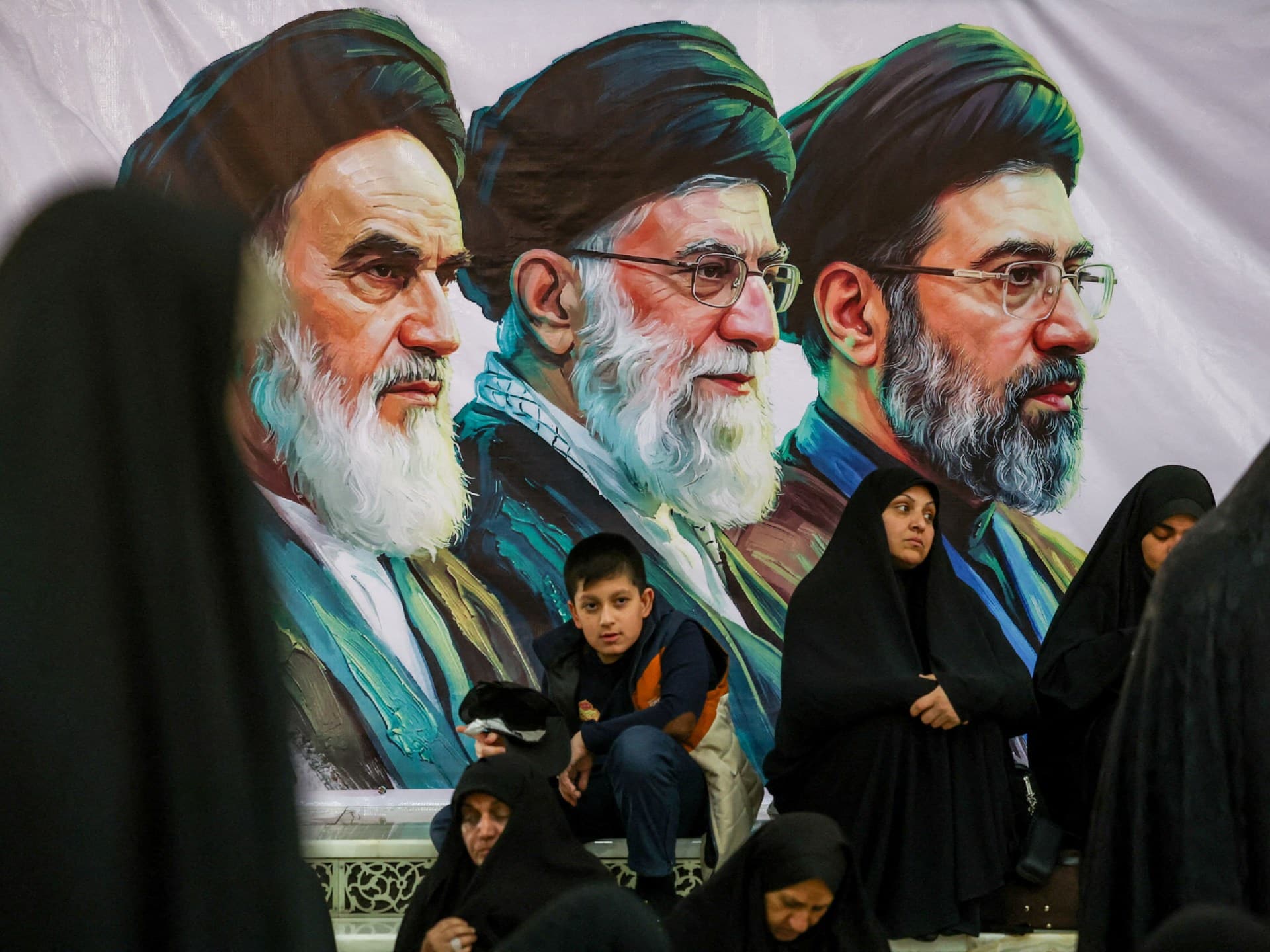
The unrest has spread to multiple cities, with demonstrators chanting slogans such as “death to the dictator”, directly targeting Supreme Leader Ali Khamenei. In response, authorities also imposed a sweeping internet blackout, a tactic used during previous uprisings to limit mobilisation.
Iranian officials have also downplayed the scale of the unrest and portrayed protesters as violent vandals acting at the behest of foreign powers.
Last week, former US Secretary of State Mike Pompeo wrote on X: “Happy New Year to every Iranian in the streets. Also, to every Mossad agent walking beside them.”
In a televised speech on Friday, Khamenei dismissed the protests as insignificant and accused the United States of exploiting the situation.
“The hands of the American president are stained with the blood of more than a thousand Iranians,” he said, referring to US President Donald Trump.
Describing property damage during protests in Tehran, Khamenei added: “A bunch of vandals destroyed a building that belongs to them to please the US president.”
Iran’s foreign minister, Abbas Araghchi, echoed those claims while visiting Lebanon, accusing the US and Israel of encouraging unrest to destabilise the Islamic Republic.
Iran’s economy has been battered by years of US-led sanctions, soaring inflation and a rapidly depreciating currency, leaving large segments of the population struggling to afford basic necessities.