














Arabic version: نقص وقود الطائرات يهدد الرحلات الأوروبية مع تصاعد الصراع في إيران
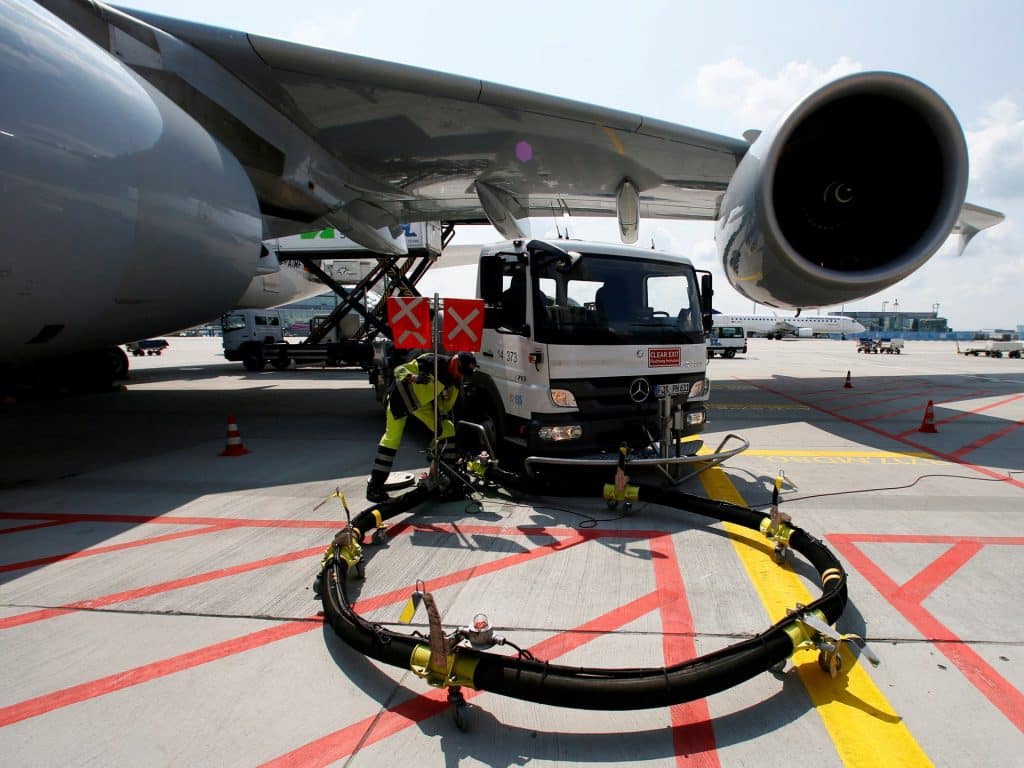
Seven weeks after the US-Israel war on Iran closed down airspaces and plunged the aviation industry into chaos, airlines traversing the Middle East are slowly returning to normal traffic after being forced to cancel and reroute hundreds of flights. But a new and potentially more damaging threat has emerged – a critical shortage in jet fuel that could ground flights in Europe, just as the summer travel season approaches. According to Al Jazeera, the head of the International Energy Agency, Fatih Birol, warned that Europe has “maybe six weeks or so [of] jet fuel left”, raising concerns over imminent flight cancellations if oil supplies remain disrupted.
At the centre of this disruption is a shortage of jet fuel amid the ongoing standoff at the Strait of Hormuz, a vital water passageway through which one-fifth of the world’s oil and liquefied natural gas (LNG) supplies are shipped during peacetime. The conflict has caused energy prices to soar, with Brent crude rising from $66 to above $100 per barrel. In response, governments are tapping into strategic reserves, and the United Kingdom has begun talks with a coalition of more than 40 countries – not including the US – aimed at finding a way to reopen the strait.
European aviation is particularly exposed to the shortage of jet fuel, relying heavily on imports from the Middle East. Around 75 per cent of Europe’s jet fuel imports come from the region, making any prolonged disruption especially problematic for its aviation industry. The Airports Council International Europe has issued warnings that a fuel shortage could significantly impact the European economy, with several airports cautioning that they could face fuel shortfalls within three weeks if the Strait of Hormuz remains closed to fuel deliveries.
Jet fuel prices in Europe have already reached record highs, spiking to $1,800 per ton on March 18, before slightly retreating in April. German airline Lufthansa announced the closure of its regional unit, CityLine, citing surging jet fuel costs as well as the impact of strikes. The airline’s Chief Technical Officer indicated that suppliers are adjusting their forecasting, making it difficult to predict fuel availability beyond a month.
As the summer tourism season approaches, the potential for flight cancellations looms large, with aviation associations urging immediate action to address the jet fuel crisis. The situation remains precarious as the conflict in the Middle East continues to disrupt oil supplies and threaten the stability of European air travel.