












Arabic version: إضراب مترو لندن يعيق حركة المسافرين والسياح
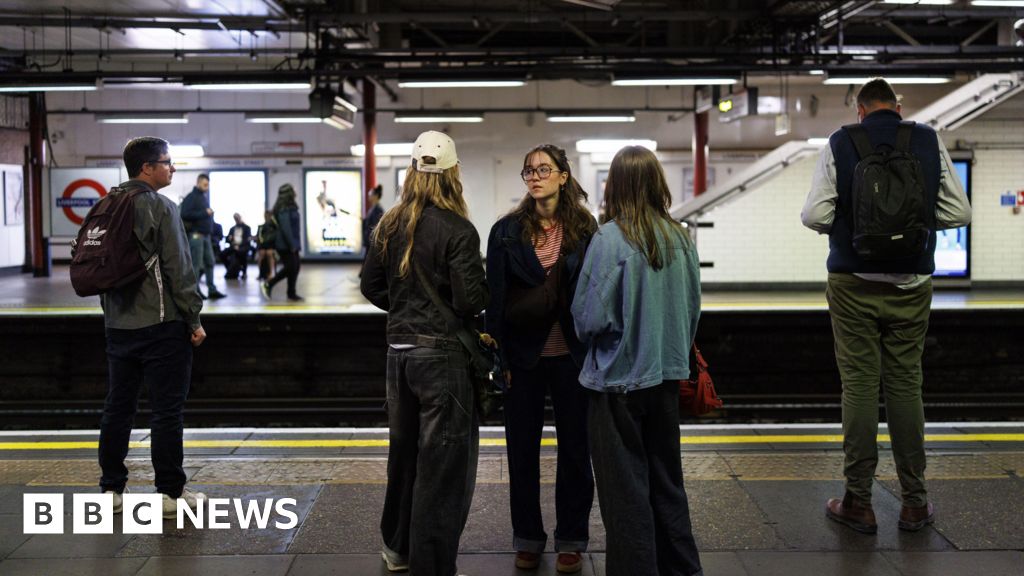
London Underground usage was down 43% in the hours up to 10:00 on Tuesday due to a strike led by the Rail, Maritime and Transport (RMT) Union. The strike, which lasted until just before midnight, resulted in no trains operating on some lines and delays on others. According to BBC News, passengers struggled to find alternative means of transport.
Transport for London (TfL) apologized for the inconvenience, noting that by 06:00 BST, 60% of drivers had turned up to work, which was an improvement compared to previous strikes. However, many commuters faced long waits for buses and taxis, particularly in rainy weather. The Bakerloo, Piccadilly, and Central lines experienced partial suspensions, while the Circle and Waterloo & City lines were suspended entirely.
Public reaction to the strike was mixed, with some commuters expressing frustration. One parent, Rick, reported being stuck in traffic with his two sons on their way to sit their A-levels and GCSEs, calling the strike “totally disgraceful.” In contrast, another commuter, Tom, acknowledged the drivers’ concerns about working conditions and deemed the disruption a reasonable trade-off.
London Mayor Sir Sadiq Khan criticized the strike as a “sign of failure” and urged both RMT and TfL to engage in discussions to prevent further disruptions. He emphasized the strike’s negative impact on Londoners, businesses, and essential services.
The RMT initiated the strike after accusing TfL of failing to provide assurances over concerns about longer working hours and driver safety. Future strike action is planned from 00:01 to 23:59 on Thursday, further complicating the commute for Londoners and visitors alike.