










Arabic version: تراجع البطالة طويلة الأمد يشير إلى ضغوط في سوق العمل
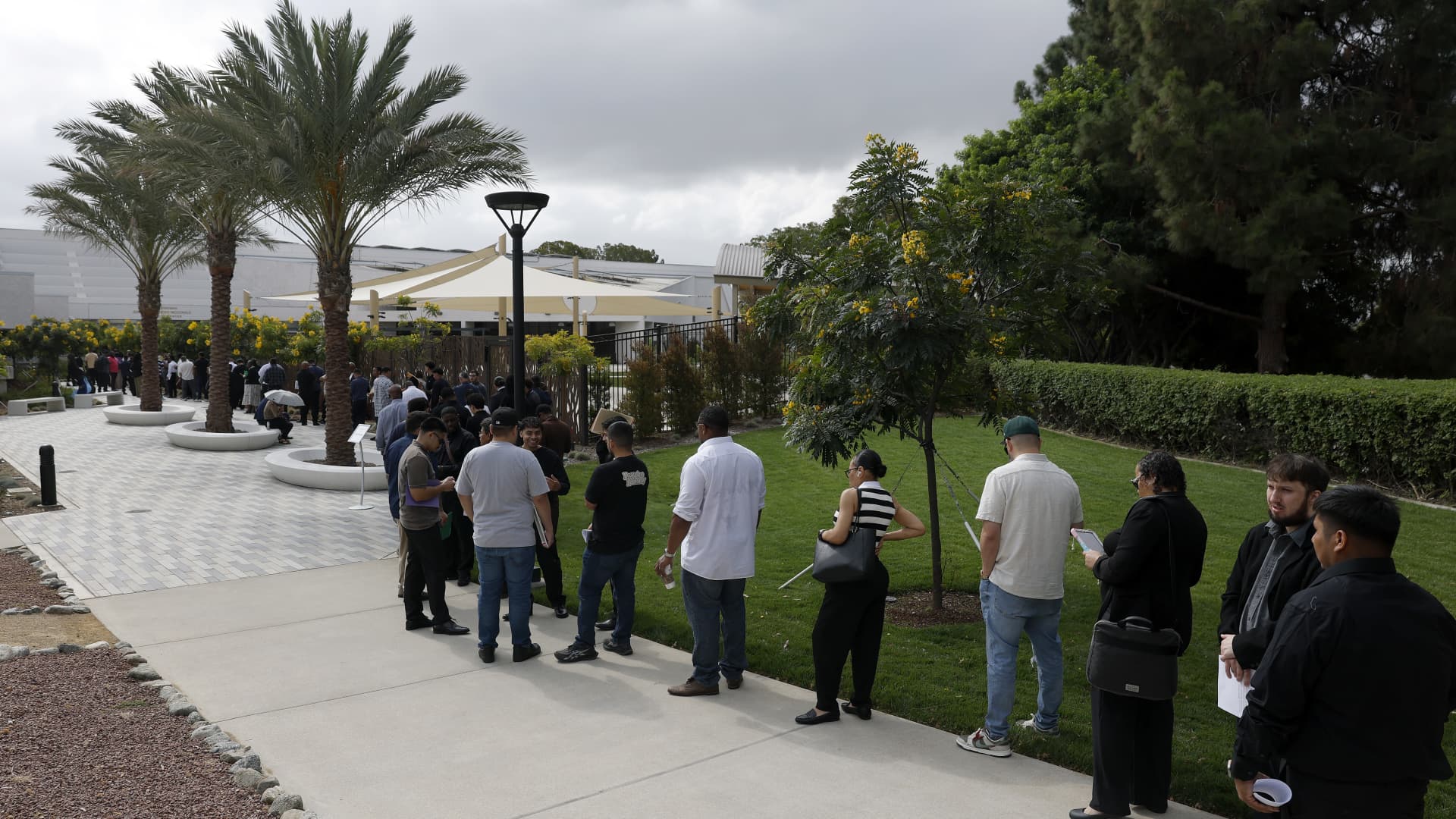
According to Cnbc, long-term unemployment fell in July, but economists said the decline may reflect discouraged job seekers leaving the labor force rather than finding work. The number of people unemployed for 27 weeks or more decreased by 64,000 from June to about 1.8 million, according to the Bureau of Labor Statistics.
Long-term unemployed workers accounted for 25.5% of all unemployed people in July, down from 27.3% in June. The national unemployment rate also fell to 4.1% from 4.2%. However, people who stop looking for work are not counted as unemployed, meaning a lower jobless rate can result from workers leaving the labor force.
Cory Stahle, a senior economist at Indeed, said job seekers are having a hard time in the current low-hire environment and may stop looking after months without success. Heather Long, chief economist at Navy Federal Credit Union, said labor force participation was at its lowest level since February 2021.
The trend carries risks for households and the broader economy. Long-term unemployed people are generally ineligible for unemployment benefits after six months, or sooner depending on the state, while long absences can make it harder to find work and may lead to lower earnings after re-employment. Federal data shows hiring has been muted since 2024, and employers added an average of 26,000 jobs a month from August 2025 through July 2026, compared with 66,000 in the prior year.